Linux
How to Install VirtualBox on Ubuntu
Install VirtualBox from Ubuntu packages or a matching Oracle package, verify the installation, and troubleshoot kernel-module and Secure Boot issues.
Learn Linux with clear tutorials, practical examples and step-by-step guides covering core concepts, development tasks and common problems.
Install VirtualBox from Ubuntu packages or a matching Oracle package, verify the installation, and troubleshoot kernel-module and Secure Boot issues.

Use auto-hide for more screen space or disable the GNOME dock extension, with steps to identify the correct extension and restore it afterward.

Use Evernote in a supported desktop browser, or evaluate the unofficial Tusk client with checks for package source, compatibility, and note synchronization.
Configure a Windows 10 guest, attach its installation ISO, install Guest Additions, and verify display, storage, and networking on an Ubuntu host.
Create a Windows guest on an Ubuntu host, attach the installation ISO, allocate resources, install VMware Tools, and verify the VM before using it.

Compare RHEL, CentOS Stream, Fedora, Debian, Ubuntu, Pop!_OS, and Gentoo by purpose, maintenance approach, and the checks to make before installation.

Install Zoom using a matching DEB package, choose graphical or terminal installation, and test audio, video, and updates before a meeting.

Apply sequence-limit laws, work through a rational-sequence example, and use a Casio calculator to check numerical behavior without mistaking it for proof.
Choose a Windows alternative by application support, hardware, cost, and maintenance needs, with practical migration checks and warnings about discontinued systems.

Understand the Linux kernel, distributions, desktops, and package managers, then assess application support and hardware compatibility before trying Linux.

Create a verified Ubuntu 26.04 LTS USB, test hardware in the live environment, choose a safe disk layout, and complete installation without losing data.

Set up What's Up Docker with Docker Compose, watch selected containers, read update status in the dashboard, and add notifications without enabling blind updates.
Use systemd-analyze to find real boot delays, inspect dependencies, disable only unneeded units, and restore services if a change causes problems.
Refresh Arch Linux mirrors with Reflector or the official generator, verify the new list, automate updates, and avoid partial-upgrade mistakes.

Four common reasons users leave Ubuntu—defaults, GNOME changes, Snap packaging, and resource use—plus ways to decide whether switching is worthwhile.
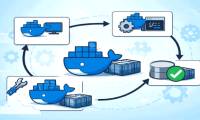
Use docker commit to capture a container's writable layer as a new image. This guide fixes the command syntax, explains excluded volume data, and shows when a Dockerfile is the better choice.

Find the systemd unit, user session, device, or mount delaying shutdown, inspect the previous boot's journal, and fix the cause before shortening any timeout.
Check your games and hardware, choose a suitable Linux setup, and decide when Proton, dual boot, or cloud gaming can help.
Compare gaming-focused Bazzite and Nobara, desktop-focused Ultramarine, and the distinct security model of Qubes OS before choosing an alternative to Fedora.
Run a steam-train animation, reveal APT and Aptitude jokes, inspect sudo's optional messages, and format a local Nmap scan as leetspeak.