
Wifi tips
How to Troubleshoot Wi-Fi Problems in Windows 11
Diagnose missing Wi-Fi, no-internet connections, slow or unstable wireless, driver failures, DNS problems, and adapter resets in a safe order.
Learn how to set up, secure and troubleshoot Wi-Fi networks with practical guides for routers, passwords, speed and connection problems.
Diagnose missing Wi-Fi, no-internet connections, slow or unstable wireless, driver failures, DNS problems, and adapter resets in a safe order.
Find out whether repeated Wi-Fi drops come from the laptop or router, then repair the saved profile, driver, power management, roaming, and network configuration.
Determine whether only the taskbar icon is missing or Windows has lost the Wi-Fi adapter, then restore Quick Settings, services, drivers, and hardware detection.
Detailed instructions on how to easily view Wi-Fi passwords on Windows 10/11 and macOS laptops. View saved Wi-Fi passwords without any software. Check it out here!
Reveal a Wi-Fi password already saved on Windows, macOS, or a NetworkManager-based Linux computer using built-in settings or command-line tools.
Join Wi-Fi on Windows or macOS, add wireless support to a desktop, and fix missing networks, rejected passwords, weak signals, or no internet.

Change an FPT Wi-Fi password through the Hi FPT app or the modem's local administration page, with safe steps for finding the gateway and reconnecting devices.

Find legitimate public or community-shared Wi-Fi with WiFi Master, WiFi Chùa, and Instabridge, and learn the privacy checks to make before connecting.
Share a saved Wi-Fi network with an Android QR code or Apple's nearby password prompt, including cross-platform options and fixes when sharing does not appear.

Reset a TP-Link router with its physical button or web interface, understand what settings will be erased, and complete the essential setup steps afterward.

Use an iPhone, Samsung, Oppo, or other Android phone to change a router's Wi-Fi password through the provider app or local administration page.
Reveal the current or previously saved Wi-Fi password in Windows Settings, Control Panel, or Terminal, and safely forget an obsolete network profile.
Update the wireless password devices use to connect and the separate administrator password that protects a TP-Link router's settings.
Connect a desktop computer to Wi-Fi with a USB adapter, PCIe card, or built-in motherboard radio, and choose the right option for speed, range, and setup.
Diagnose a Windows laptop that cannot find, join, or use a Wi-Fi network with safe checks for the router, saved profile, adapter, driver, IP settings, and power management.

Use built-in netsh commands to block selected Wi-Fi network names, hide blocked entries from the Windows list, create an allowlist, and reverse every filter safely.

Diagnose a Windows 10 PC that connects to Wi-Fi but has no internet, using safe checks for the router, saved profile, IP configuration, driver, and power settings.
Join a visible or hidden Wi-Fi network from Windows, choose whether to reconnect automatically, and troubleshoot missing networks or password errors.
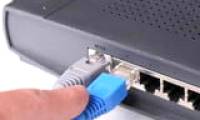
Separate router, modem, provider, cable, and device faults with a safe test sequence before restarting, resetting, repairing, or replacing network hardware.

Mark Wi-Fi or Ethernet as metered, understand what Windows limits, and optionally set a data cap for a mobile or restricted connection.