
Linux
Dual Boot Windows and Linux: Benefits, Limits, and Preparation
Keep Windows applications while using Linux directly on your hardware. Compare dual boot with a virtual machine or WSL, and plan storage, backups, and encryption before installing.
Browse more Learn Linux with clear tutorials, practical examples and step-by-step guides covering core concepts, development tasks and common problems.
Keep Windows applications while using Linux directly on your hardware. Compare dual boot with a virtual machine or WSL, and plan storage, backups, and encryption before installing.
WinApps displays applications from a Windows VM alongside Linux apps. Understand its requirements, configure Podman and FreeRDP, and test the connection before adding shortcuts.
Cache-aware scheduling can keep related Linux tasks near shared CPU data. Here is what changes, where the 44% benchmark result came from, and why gains vary.
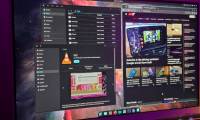
System76's Rust-based COSMIC desktop replaces Pop!_OS's GNOME interface. See how its tiling, panels and themes work, and what to check before switching.

Compare Pantheon, GNOME, COSMIC, KDE Plasma and Cinnamon for a dock, workspace overview and Mac-like layout, including their customization tradeoffs.

Understand the software freedom debate, KDE and GNOME's origins, and the systemd split—and how these choices still affect Linux users.

Set up task-based workspaces, create a simple Bash alias, and use desktop search to reach applications and files with fewer steps.
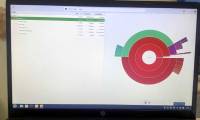
Find what is filling your Linux drive, clean package caches, review unused packages, and manage journal logs and Timeshift snapshots safely.
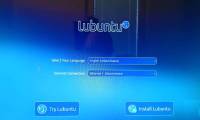
Lubuntu may reduce desktop overhead, but battery condition and hardware support still matter. Check capacity, power settings and real runtime before switching.
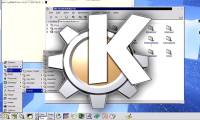
MiDesktop brings KDE 1's classic interface to current Linux systems. Check its beta limitations, toolkit and project-maintained packages before trying it.
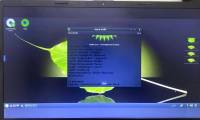
Bodhi Linux offers a minimal desktop built around Moksha. See its menus, shelves and workspaces, plus hardware and support checks for an older computer.
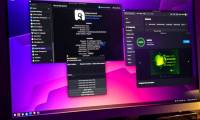
Nobara adds gaming and creator tools to a Fedora-based desktop. Compare editions, check GPU support, use its updater and assess game compatibility before switching.

NixOS describes system settings in code and keeps generations for rollback. Understand the benefits, learning curve and limits of reproducibility and recovery.
Repair interrupted configuration and unmet dependencies, refresh downloads, and review package removal without blindly running destructive cleanup commands.

Assess CachyOS for desktop or handheld gaming by its interface, customization, hardware support, and game-specific performance rather than universal FPS claims.
Use Compose, exec, logs, build, ps, inspect, and prune with practical examples and checks that help prevent accidental container or data removal.
Use find, nano, less, shell operators, and process commands with clear examples, exit shortcuts, and practical checks before changing files or stopping apps.

Compare the practical concerns around Winux, Deepin, Ubuntu, and Red Star OS, separating documented security issues from desktop and packaging preferences.

Revisit Yggdrasil, SLS, CentOS Linux, MkLinux, and Yellow Dog Linux, with a clear distinction between discontinued releases and projects that changed direction.
Choose optional tools for desktop customization, phone integration, browsing, office files, and Flatpak apps without installing software you do not need.