Table of Contents
Start with CapCut if you need captions and a full timeline, InShot for quick trims and reframing, or Canva for branded text and reusable layouts. For an interview you recorded remotely, Riverside can help turn a longer conversation into vertical clips.
CapCut for captions and timeline editing

CapCut is useful when a video has several clips, voice-over, and captions that need to line up. Start with a 9:16 project, trim pauses, then generate captions and review every line. Check whether any template, effect, or export option requires a paid plan before building the entire edit around it.
InShot for quick edits on your phone
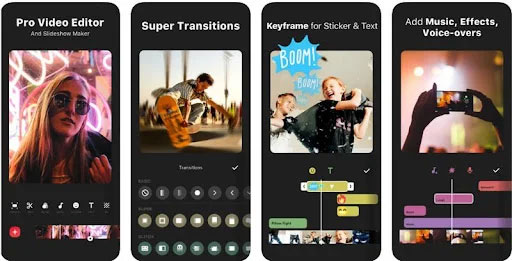
Use InShot to trim the start and end of clips, join a few shots, or set a vertical canvas. When reframing horizontal footage, reposition the subject shot by shot. Export a short sample to check framing and any watermark before investing time in a longer edit.
Canva and Picsart for graphics and branded clips
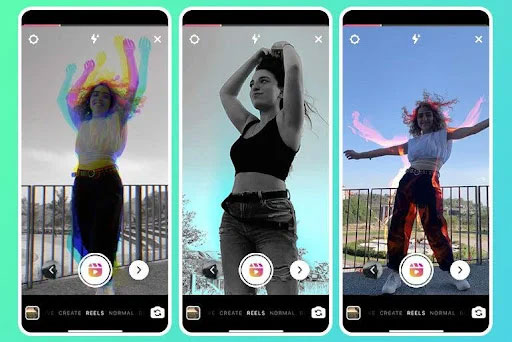
Use Canva when you want the same animated title, colors, or layout across a series. Duplicate a working design and swap its footage for the next post. Picsart is a good fit for edits built around photos, stickers, and short clips. For detailed timing across several audio and video tracks, use a timeline-focused editor.
Riverside for interviews and podcasts
Riverside can record participants on separate tracks and use a transcript to help find clips. After making a vertical cut, check that it opens with enough context to understand the answer. Review the crop when the speaker changes and verify names or technical terms in captions. See Riverside’s guide to podcast recording and clips for its workflow.
Other editors for specific effects
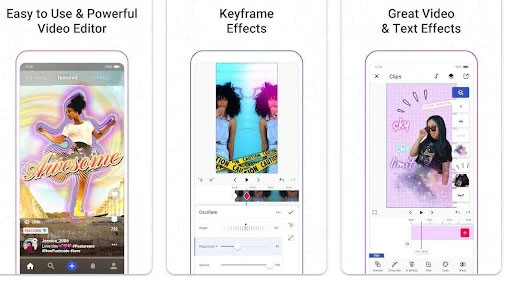
- KineMaster suits multilayer edits where you need separate overlays or keyframed motion.
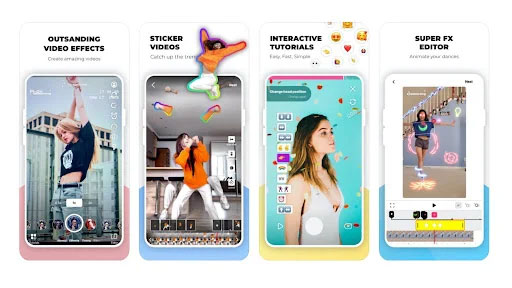
- Zoomerang is a template-based option when you want to build a clip around a preset sequence.
- Funimate focuses on animated transitions and effects. Check that the effect still reads on a small screen.
Before you post
- Use a 9:16 frame. Keep faces and text far enough from the bottom and right edges to avoid TikTok’s controls.
- Review captions with the sound muted, then listen with headphones to check that music leaves speech clear. Use audio you have permission to use, especially for a brand or sponsored post.
- Play the exported video from beginning to end on your phone. The video export settings guide covers frame rate, resolution, and format. If a free export adds a watermark, compare video editors that can export without one.





Reader Comments 0
Sign in with email or Google to join the discussion.