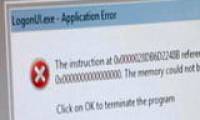
Fix computer error
How to Fix a LogonUI.exe Error at Windows Sign-In
Recover from a LogonUI.exe startup or sign-in error with Windows Recovery, Safe Mode, system-file repair, driver rollback, and memory checks.
Browse more Diagnose and fix common computer errors with step-by-step troubleshooting guides for Windows, software, hardware and network problems.
Recover from a LogonUI.exe startup or sign-in error with Windows Recovery, Safe Mode, system-file repair, driver rollback, and memory checks.
Identify the exact Windows Setup partition error, match UEFI with GPT, and use the safe graphical or DiskPart clean-install method without wiping the wrong drive.

Diagnose a Windows black screen by its timing and symptoms, then test display hardware, restart graphics or Explorer, use Safe Mode, and recover before resetting.

Use Windows display shortcuts, restart Explorer, enter Safe Mode, roll back a graphics driver or update, and test a new profile without deleting personal data.

Fix thumbnails that disappear after every restart on older Windows 10 builds, with safer checks before using the legacy Registry workaround.

Bring back the Sharing tab by checking the folder type and Server service before repairing its Windows Registry handler.

Identify whether a disk is truly new or contains data, then initialize it safely, choose GPT or MBR, and create a usable volume.

Unlock screen rotation, remove mode-detecting accessories, check sensor drivers, and use the legacy Registry fix only when appropriate.

A corrected retrospective on the 2019 Task Scheduler privilege-escalation flaw, its limits, patch status, and practical defenses.

Understand the original May 2019 Update issues, why old one-off patches are obsolete, and how to recover a PC still running version 1903.

Use pause, active hours, restart scheduling, metered connections, and supported policies to reduce update disruption without disabling security.

Open Task Manager another way, remove an unintended policy restriction, repair system files, and check for malware or account problems.

Check the search scope, restart Explorer, repair Windows Search, rebuild the index, and diagnose a folder that never appears in results.

Separate cloud, account, notebook, and section problems; preserve unsynced pages; resolve conflicts, misplaced sections, and storage errors.

Determine whether Windows is crashing or waking, then test Fast Startup, wake devices, startup software, drivers, and firmware safely.

Restore Bluetooth after an update by checking settings and services, rolling back or reinstalling the correct driver, and re-pairing devices.
Safely diagnose a stalled Windows update, run the current troubleshooter, reset update components, and repair Windows files.
Check image access, activation, accessibility and policy settings, then repair the wallpaper cache without using activation workarounds.

Choose a suitable recovery tool, avoid overwriting deleted data, distinguish maintained products from legacy utilities, and follow a safer recovery workflow.

Enable or disable System Restore through System Protection, Group Policy, the registry, or PowerShell, then verify that Windows can create a restore point.