Table of Contents
This updated guide explains how to Check If Your Computer Is 64 Bit through clear steps, practical examples, and important checks that help prevent common errors.
Method 1 of 4:
Checking Windows 7/Vista/Server 2008/R2
-
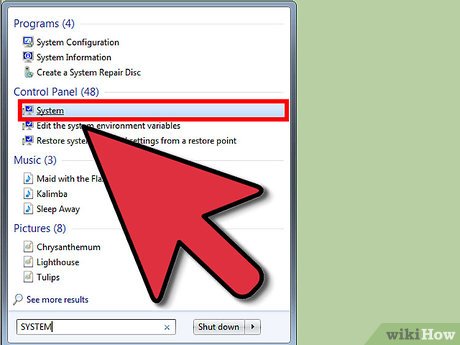 Perform the following steps on your computer:
- click the Start Button.
- Type 'System' in the Start Search box
- Click "System" in the Programs list.
-
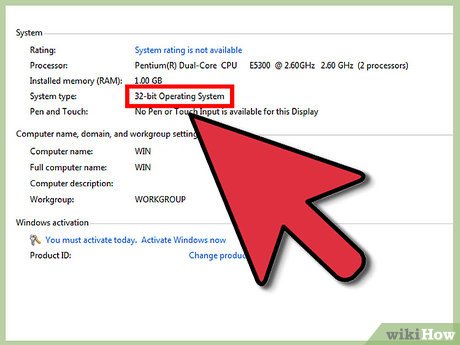 Read the results. In the "System" window it will state either "32-bit Operating System" or "64-bit Operating System".
Method 2 of 4:
Checking Windows XP/2000/Server 2003
-
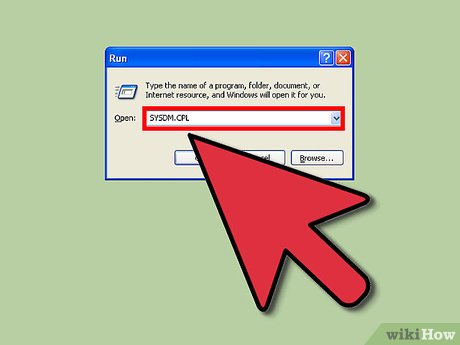 Press the WIN+R keys (Windows key and R). Type the following: sysdm. cpl and click OK.
 -
 click "System Summary": Under "System Type" it will either state "x86" if a 32-bit version of Windows is installed, or "EM64T" if a 64-bit version of Windows is installed.
Method 3 of 4:
Checking Windows 10
-
 Type in the "Control Panel" search box.
 -
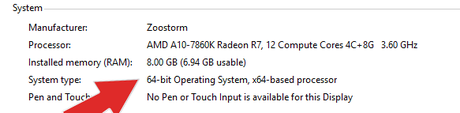
Click "Control Panel". Next, press "System & Security". Press "System" and read the results.
Method 4 of 4:
Checking Mac OS X
-
 Launch Terminal app (see Applications/Utilities)
 -
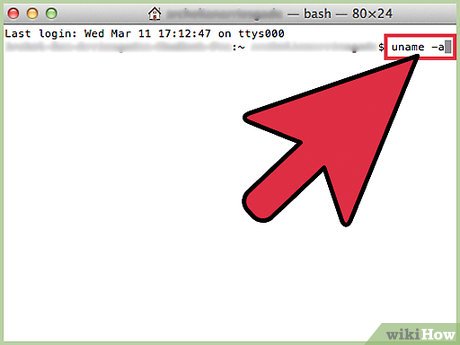 Type the following: "uname -a" at the prompt.
- Note: do not use quotes. These were placed for emphasis. #*Note: ensure to insert the blank space between "uname" and "-a" strings.
-
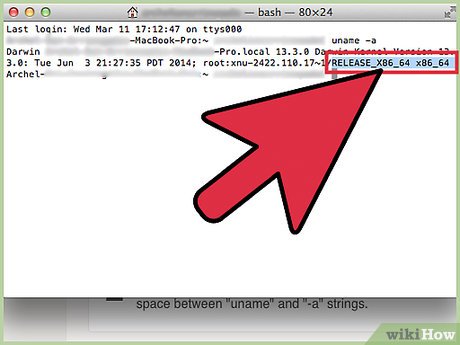 Read the text. The terminal will display two lines of text. At the end of the second line, you will find wording such as:
- RELEASE_I386 i386; the latest "i386" means that you're running 32bits kernel
- RELEASE_X86_64 x86_64; the latest "x86_64" means that you're running 64bits kernel
FAQ
What is the easiest way to Check If Your Computer Is 64 Bit?
Start with the requirements in this guide, then follow each step in order. Check the result after every major change so problems are easier to identify.
Can beginners follow these instructions?
Yes. The process is organized into practical steps, and you can repeat any step before moving forward.
What should I check if the method does not work?
Confirm your software or device version, permissions, settings, file format, and internet connection when the task depends on online services.
Related Articles
 Top 5 Simple and Accurate Ways to Check Computer Mainboard7 minutes read
 How to Check Computer Performance6 minutes read
 4 Simple Ways to Check the Configuration and Hardware Information7 minutes read
 How to Use KeyboardTest to Check the Computer Keyboard6 minutes read
 'Tips' Check Old Desktop and Case Before Buying4 minutes read
 How to Check the Power of the Computer Before Playing the Game5 minutes read
Reader Comments 0
Sign in with email or Google to join the discussion.