Table of Contents
Learning how to block Wi-Fi networks in windows doesn't have to be complicated. This updated guide presents a clear workflow, practical checks, and troubleshooting advice you can use while completing the process.
Key Takeaways
- Review block Wi-Fi networks in windows.
- Explore command prompt (one Wi-Fi network at a time).
- Understand command prompt (block Wi-Fi networks in bulk).
Block Wi-Fi Networks in Windows
Windows doesn't provide any options in the Settings app or Control Panel, but you can easily block Wi-Fi networks using one of the methods shown below.
1. Command Prompt (One Wi-Fi Network at a Time)
Command Prompt provides a quick fix to delete one or more unnecessary Wi-Fi networks. All you need is the network name or SSID.
To start, search for "Command Prompt" (or "cmd") in the Windows search menu, right-select it, and select Run as Administrator.
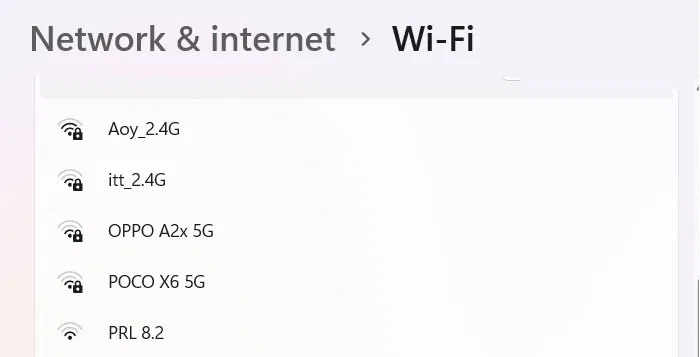
Click the network icon on the taskbar and click the Manage Wi-Fi connections arrow. This helps you identify the SSID you want to block. This will populate a list of Wi-Fi connections near your Windows device.

In the Command Prompt window, execute the command below to block the Wi-Fi network. Replace "Wi-Fi Network Name" with the actual SSID or network name.
netsh wlan add filter permission=block ssid="Wi-Fi Network Name" networktype=infrastructureThe Wi-Fi network will be added to the blacklist filter and you will see a message saying: "The filter is added on the system successfully" after executing the command. You can add multiple blacklist filters for different SSIDs on separate lines. All of them will be blocked one by one.

It will no longer appear in the network connection pop-up window and you will not be able to connect to it when you block a Wi-Fi network. Open Settings -> Network & internet -> Wi-Fi -> Show available networks. This helps you verify this. Blacklisted SSIDs will no longer appear.
2. Command Prompt (Block Wi-Fi Networks in Bulk)
Instead of deleting unnecessary Wi-Fi networks one by one, you can also delete them in bulk and only allow the Wi-Fi networks you intend to use.
Return to Command Prompt with admin privileges and enter the following command. Make sure to note the SSID your Windows device is currently connected to; otherwise, the device will be completely disconnected from the Internet before pressing Enter.
netsh wlan add filter permission=denyall networktype=infrastructure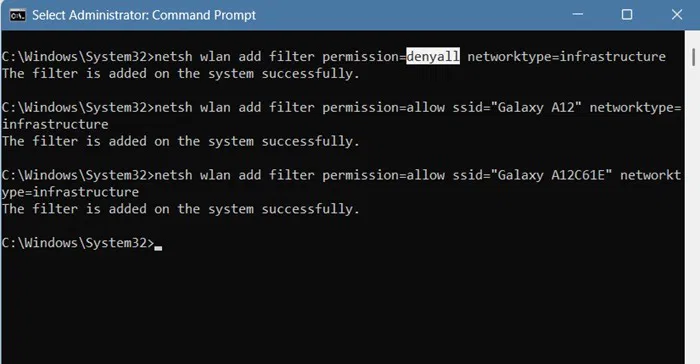
Start adding exceptions to the command, starting with the Wi-Fi network you're currently connected to after inserting the "deny all" command. Instead of "Wi-Fi SSID," add the name of the SSID you want to allow. Add multiple exceptions on separate lines.
netsh wlan add filter permission=allow ssid="Wi-Fi SSID" networktype=infrastructureIt's great to have a neat Wi-Fi icon on your Windows taskbar. You'll never be inundated with shady Wi-Fi networks again.
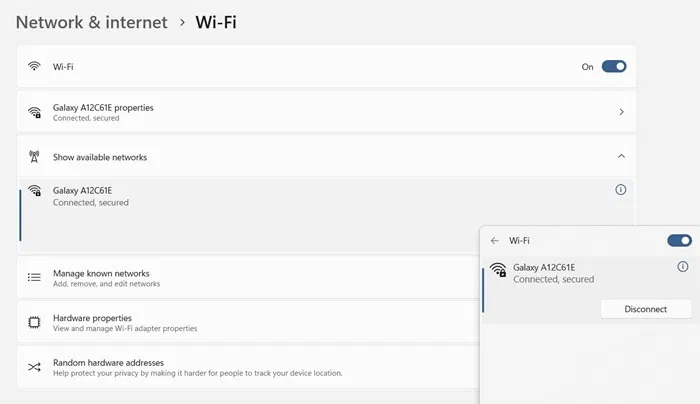
Go back to your router's control panel on another device if you accidentally entered a bulk blacklist without noting the current network's SSID. Or, if you're connecting via a mobile hotspot, check the network name on your Android or iPhone, then add the appropriate SSID.
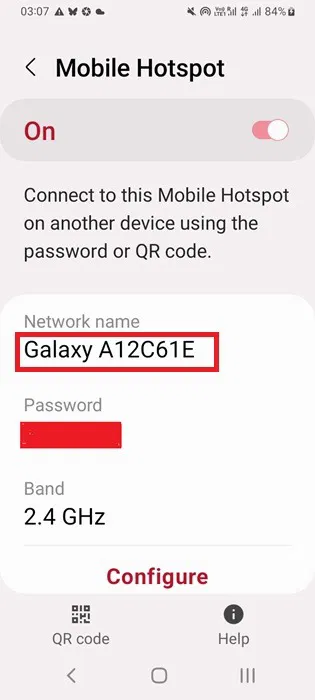
It's best to only enable the "deny all" setting in bulk when your Windows device is near trusted Wi-Fi networks, such as your home router. This isn't very convenient if you're traveling with your laptop.
3. Use 'Manage Known Networks'
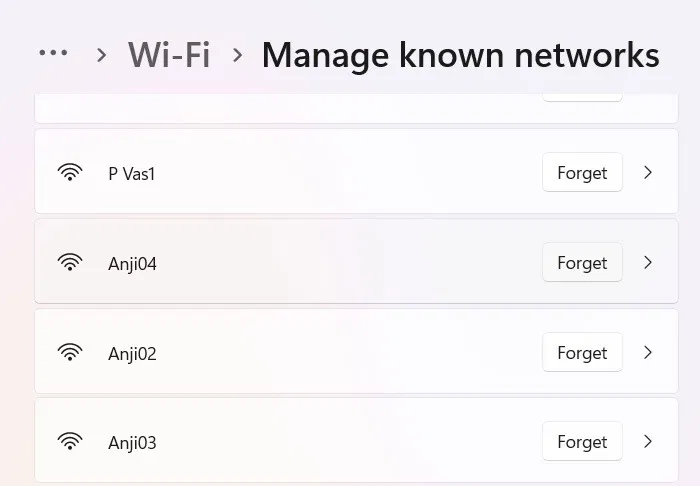
As we continue to use multiple Wi-Fi networks, their history will be saved on the device. You can permanently delete them from your Windows device if those SSIDs are still showing up after you've stopped using them for a long time.
Open Settings -> Network & internet -> Wi-Fi -> Manage known networks. Click Forget to remove each Wi-Fi network that you don't want to appear on your Windows device.
See also:
- Instructions for using and securing Wifi networks.
- How to check who is using free Wifi, stealing your Wifi.
- 8 Best Wifi Hacking and Analysis Software.
- Instructions to fix Wifi error with yellow exclamation mark.
Final Thoughts
The most reliable way to handle block Wi-Fi networks in windows is to follow the process in order, verify each important setting, and test the result before moving on. Use the guidance above as a practical reference, then adjust the details for your device, software version, or specific goal.
FAQ
What should I check before I block Wi-Fi networks in windows?
Use the latest available software, confirm that your device meets the requirements, and make sure you have the necessary permissions, account access, or backup before changing anything.
Why might I be unable to block Wi-Fi networks in windows?
Common causes include outdated software, missing permissions, incompatible settings, incomplete setup steps, or a temporary network problem. Recheck the process from the beginning and restart the app or device if needed.
Is it safe to block Wi-Fi networks in windows?
It is generally safe when you use official tools, review every permission, and back up important data before making system-level or account-level changes.
Related Articles
 How to Block Nearby Wi-Fi Networks from Appearing on Windows6 minutes read
 Use Command Prompt to Block or Allow Wi-Fi Connections6 minutes read
 How to Filter Malicious Comments on Social Networks7 minutes read
 How to Block Others from Changing Mouse Cursor in Windows 113 minutes read
 How to Block Facebook Nick, How to Block an Annoying Invitation?4 minutes read
 7 Extremely Interesting Wi-Fi Features on Windows 10 Not Everyone8 minutes read
Reader Comments 0
Sign in with email or Google to join the discussion.