Table of Contents
This updated guide examines How to Open Your Calculator in Windows 7 and organizes the essential facts, background, and practical takeaways in clear American English.
Method 1of 2:
Through Run Menu
 ClickStartat the bottom-left corner of the screen (Taskbar).
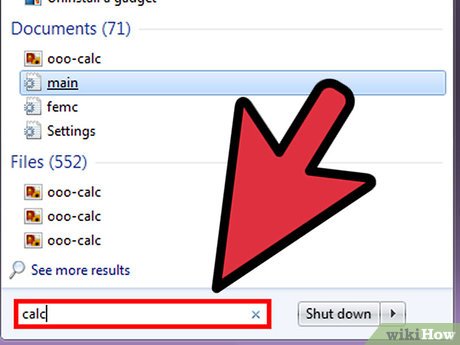 Search "Calc" in the Search Box at the bottom. Make sure not to search "Calculator" as the original file name is "Calc."
 Open the program. The program will appear and all you have to do is click on it to use your calculator.
Method 2of 2:
Through Local Disk
 Open Local Disk (C: ) or C Drive from My Computer.
 Open the "Windows" folder.
 Open the "System 32" folder.
 Open the "Calc" file. Now you can use your calculator.
 If you frequently use Calculator, then you can create a shortcut to it by right clicking on the file and choosing the option of "Create Shortcut". This will create a shortcut to your Desktop.
- Once you do this, a dialog box will open confirming that Windows will create the shortcut file to your Desktop. Select "Yes" and you're all done.
FAQ
What is How to Open Your Calculator in Windows 7 about?
It provides a structured overview of open, explains the main context, and highlights practical takeaways for readers.
Why does this topic matter?
Understanding the main concepts helps readers evaluate the issue, avoid common mistakes, and make better-informed decisions.
How should readers use this information?
Use the guidance as a practical starting point, confirm details that may have changed, and follow current product, safety, or security recommendations.
Related Articles
 How to Keep Calculator Floating Above Windows 10 Apps3 minutes read
 How to Troubleshoot Calculator Loss in Windows 105 minutes read
 Already Have Windows 10 Caculator Version on Android and iOS2 minutes read
 Microsoft Opens up the Windows 10 Calculator Application on GitHub5 minutes read
 5 Ways to Open Calculator Apps on Debian5 minutes read
 Advanced Subnet Calculator - Advanced Subnet Calculator4 minutes read
Reader Comments 0
Sign in with email or Google to join the discussion.