Table of Contents
Choose between OpenCode and Claude Code based on the models, development workflow, and data controls you need. Both can help inspect a repository, edit files, and run commands. Neither is automatically faster, safer, or more accurate on every project.
Claude Code: an Anthropic coding workflow
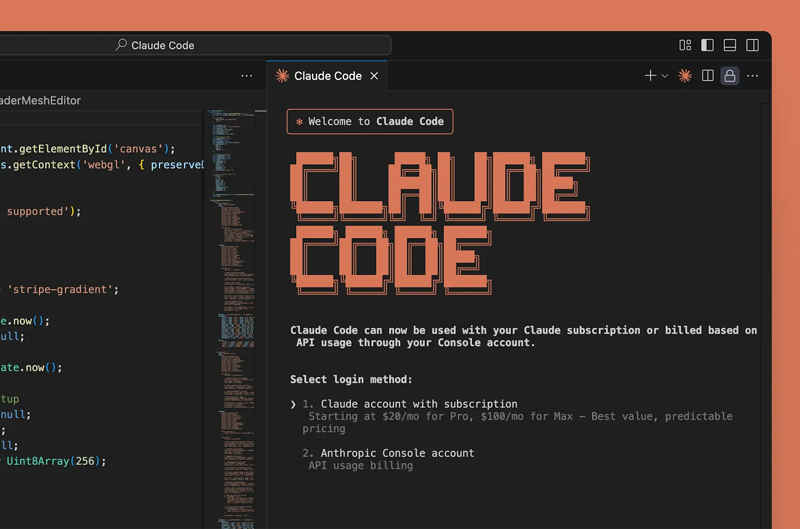
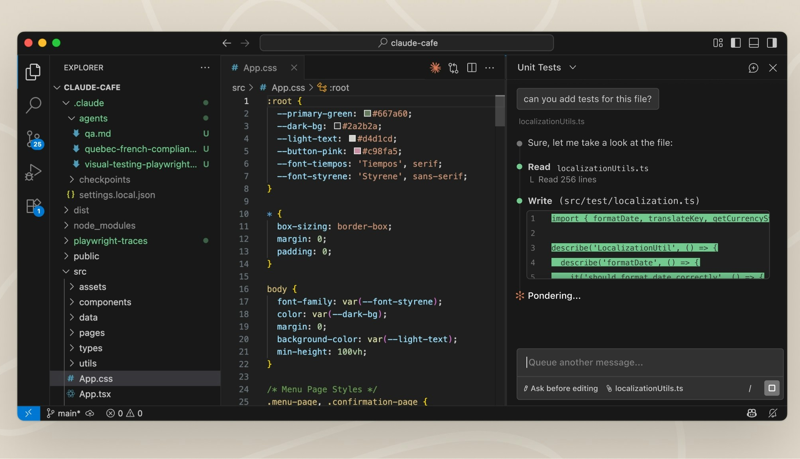
Claude Code is Anthropic's agentic coding tool. It is available through terminal, IDE, desktop, and browser workflows, rather than operating only in a terminal. Its tools let it read code, make changes, and run development commands.
It also supports extensions such as project instructions, skills, subagents, hooks, and MCP connections. These can adapt the workflow without modifying the product's own source. See the official overview and extension guide.
Evaluate the available subscription or API route, supported model integrations, and organization controls before adoption. A larger model or a planning feature does not eliminate the need to inspect the diff and test the result.
OpenCode: model-provider flexibility
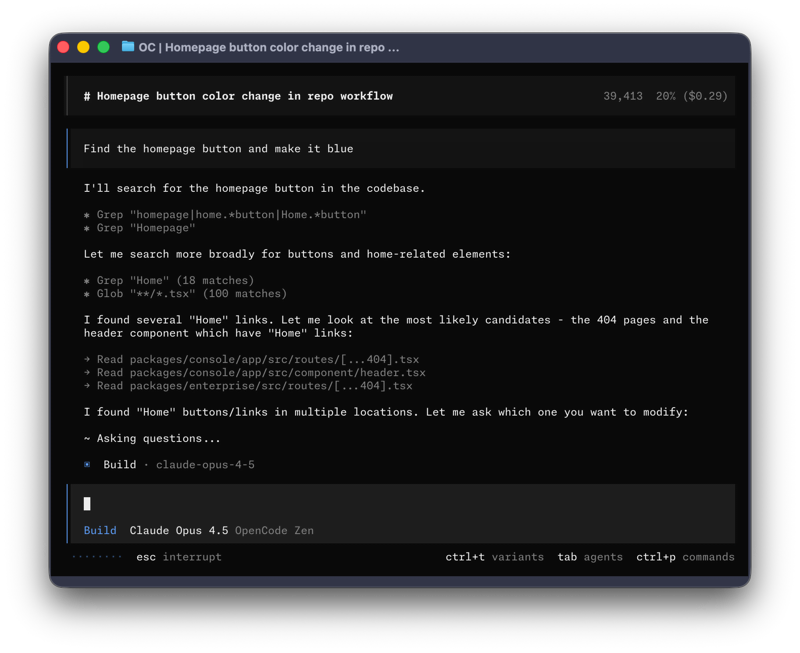
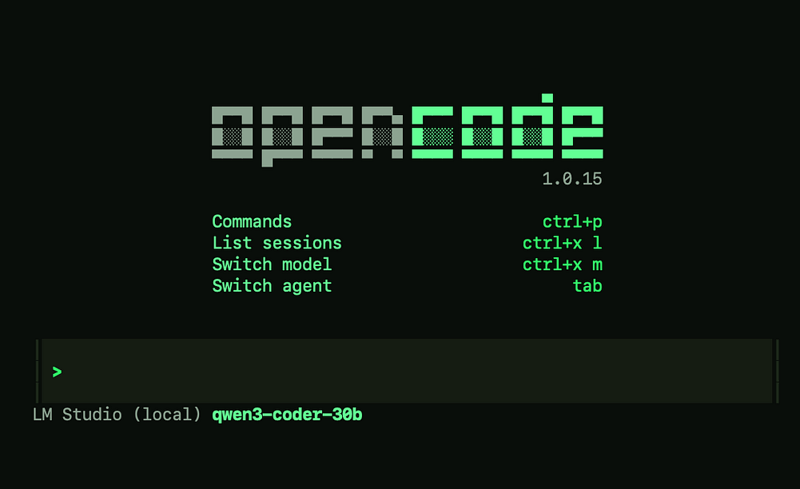
OpenCode is an open-source coding agent with support for multiple model providers and local-model configurations. Its provider documentation explains how to connect and configure a supported provider.
That flexibility is useful when you want to compare models or use a local runner. It also means you must check the chosen provider's capabilities, terms, and costs. An open-source client connected to a hosted model still sends data to that provider.
Permissions and agent configuration let you control supported tools and actions. Check the documentation for your installed version, because configuration names can change. For additional extensions, see OpenCode plugins and what to check before installing.
Compare the practical tradeoffs
| Area | OpenCode | Claude Code |
|---|---|---|
| Model choice | Multiple supported providers, including local configurations | Anthropic-centered workflow with documented integrations |
| Cost | Depends on the provider, model, and local hardware if used | Depends on the access plan, model, and usage |
| Customization | Open-source implementation and configurable agents/tools | Project instructions, skills, hooks, subagents, plugins, and MCP |
| Privacy | Depends on the inference endpoint, tools, and settings | Depends on the account, provider route, tools, and settings |
| Speed and correctness | Measure on your repository and task | Measure on the same repository and task |
| Setup | Check provider and version-specific configuration | Check supported client and account configuration |
Run a useful trial before choosing
Pick one bug fix and one small feature with clear acceptance criteria. Give both agents the same starting commit and requirements, and use equivalent permissions. Record the model, cost, time, tests run, and how much human correction was required.
- Work in a branch or isolated checkout with a clean starting state.
- Ask for a short plan and confirm the affected files make sense.
- Inspect the diff for unrelated changes and missing edge cases.
- Run the relevant tests yourself and check the resulting behavior.
- Compare total effort, including setup and review.
Test data handling separately from coding quality. A local model can reduce hosted inference, but plugins, web tools, logs, and remote endpoints may still transmit information. Local operation is not a blanket security guarantee.
OpenCode may fit a workflow that values provider choice and an open implementation. Claude Code may fit a team already using Anthropic's supported tooling. Choose the one that produces reviewable work under your team's requirements; keep exact prices and model rankings out of the decision until you have checked the current offerings.
For another comparison, see Claude Code versus Cursor.
Related Articles
 Claude Code vs. Cursor: Which AI Coding Tool Fits Your Workflow?
 Codex vs. Claude Code: How to Choose an AI Coding Agent
 Claude Code in VS Code: Setup and Safe Workflow
 Why do developers always choose Claude over other AIs?
 How to Use Claude AI to Learn Coding as a Beginner
 Things you need to know about Claude Code
Reader Comments 0
Sign in with email or Google to join the discussion.