Table of Contents
This updated guide examines How to Open Raw Files and organizes the essential facts, background, and practical takeaways in clear American English.
Method 1of 3:
Using Windows 10 and macOS
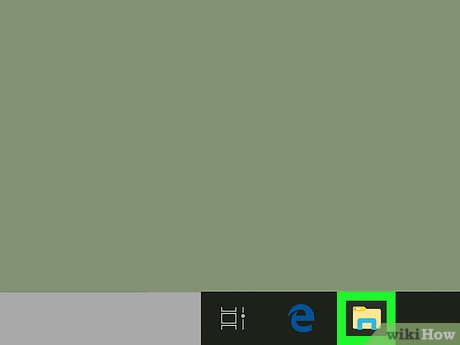 Open File Explorer
 or Finder
 . You can find these in either the Start menu or Dock.
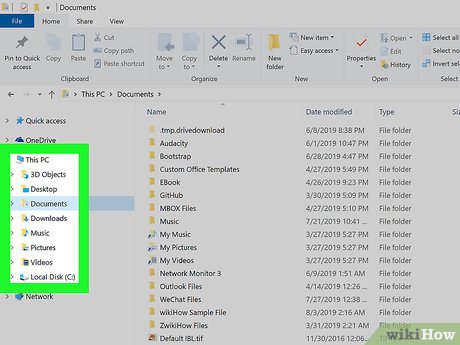 Navigate to the folder where the RAW file is saved. RAW files usually end with. RW2,. DNG,. CR2, or. NEF.
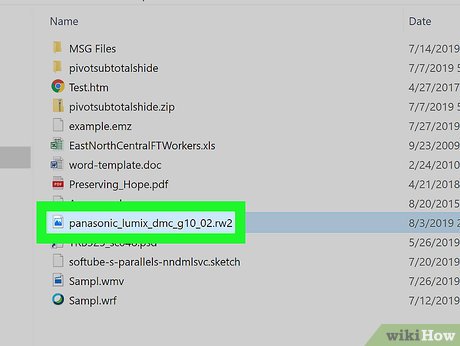 Double-click the file to open it in your default photo viewer. If you have a specific application in mind, you can right-click the file instead, select Open With , and then choose the right app.
- You can click Edit or Tools in most apps to access editing tools.
Method 2of 3:
Using Windows 8.1 and Earlier
 Go tohttps://www.microsoft.comin a web browser. If you're using an older version of Windows, you'll need to download some extra software to open RAW files on your computer.
 Click the magnifying glass and search for 'Camera Codec Pack. " The magnifying glass is near the top-right corner of the page.
 Click the first option in the search results. It'll be called Download Microsoft Camera Codec Pack with a version number.
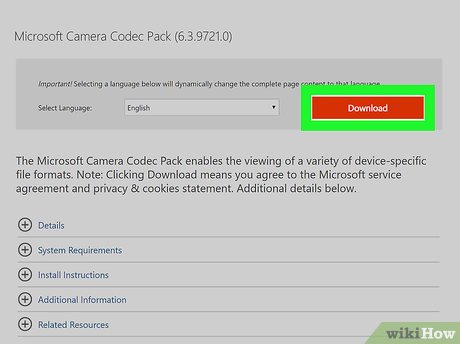 Click the redDownloadbutton. A new page will open for you to pick a version to download.
 Click either the.x64 or.x86 file. If your computer is running the 64-bit version of Windows, you'll want to pick the.x64 download.
- To check this, you can open your Settings , click About, and read under the 'Device specifications' header.
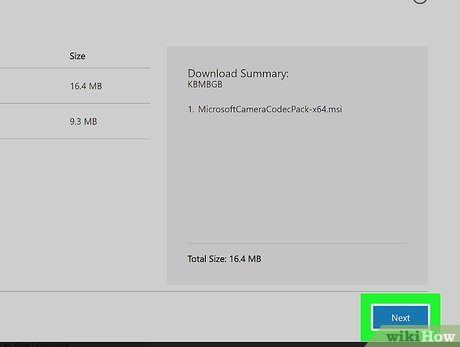 ClickNext. You'll see this in the lower right corner of the internet page. Your file browser will open and you can change the download location and name.
- Choose Save instead of Run when the initial download completes.
 Double-click the downloaded codec pack file. You'll usually find this in your 'Downloads' folder. The codec pack file will install without requiring further input from you.
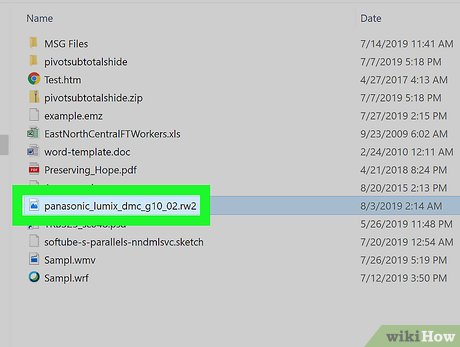 Navigate to and double-click on your RAW image file. After the camera codec pack is downloaded and installed, RAW camera files will open in Photo Viewer.[1]
Method 3of 3:
Using Snapseed Mobile
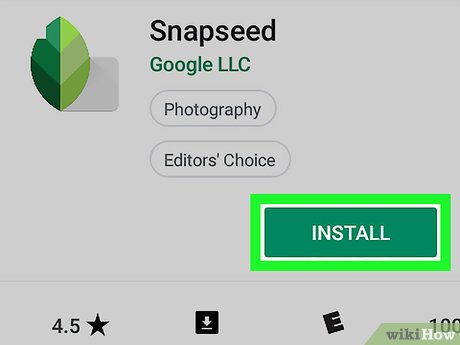 Download and install Snapseed. You can get Snapseed free from the Google Play Store
 or App store
 . Snapseed makes it easy to open and edit most types of RAW files on your iPhone, iPad, or Android.
- The app developer is Google LLC.
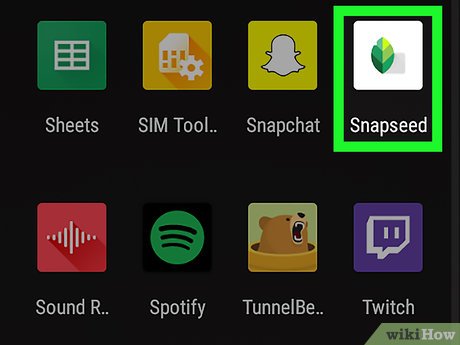 Open Snapseed. This app icon looks like a multi-shaded green leaf. You can find this on either the home screen, in the app drawer, or by searching.
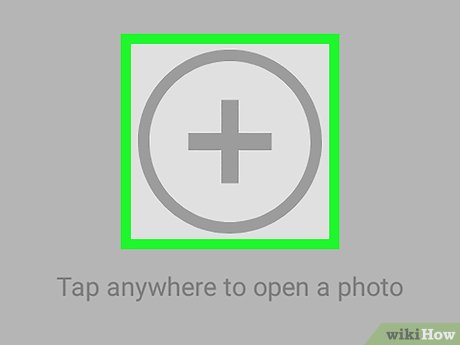 Tap anywhere on the screen to open a picture. A file browser will open.
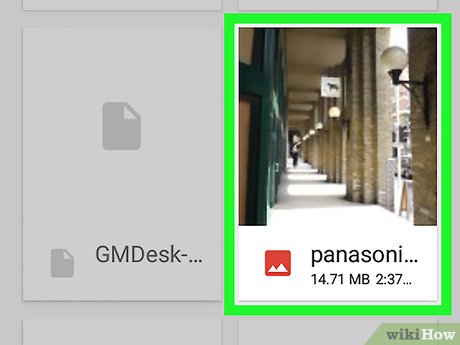 Navigate to and tap your RAW file. The RAW picture file should open in Snapseed for you to edit.
- You can find tools to edit your image along the bottom of your screen, including Tools , Looks , and Export .
FAQ
What is How to Open Raw Files about?
It provides a structured overview of open, explains the main context, and highlights practical takeaways for readers.
Why does this topic matter?
Understanding the main concepts helps readers evaluate the issue, avoid common mistakes, and make better-informed decisions.
How should readers use this information?
Use the guidance as a practical starting point, confirm details that may have changed, and follow current product, safety, or security recommendations.
Related Articles
 How to Open SWF Files: Clear Instructions6 minutes read
 How to Open RAR Files on Android Phones: Practical Guide5 minutes read
 How to Open Rar Files10 minutes read
 What Is a DAT File? How to Open DAT Files, How to Read DAT12 minutes read
 How to Open DAT Files: Practical Guide10 minutes read
 How to Fix Photoshop Error Can't Open RAW Files3 minutes read
Reader Comments 0
Sign in with email or Google to join the discussion.