Table of Contents
This updated guide examines How to Open an SQL File and organizes the essential facts, background, and practical takeaways in clear American English.
Method 1of 2:
Using MySQL Workbench
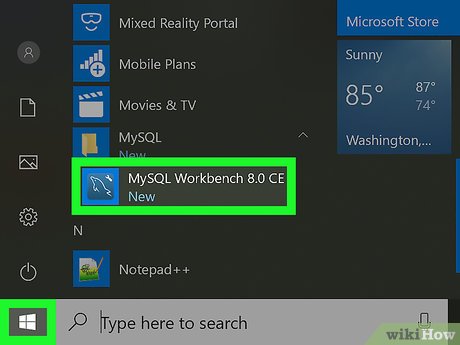 Open the MySQL Workbench app on your computer. The MySQL Workbench icon looks like a dolphin in a blue square. You can find it on your Start menu on Windows or in the Applications folder on Mac.
- If you don't have MySQL Workbench installed on your computer, you can select your system, and download the app installer at https://dev.mysql.com/downloads/workbench.
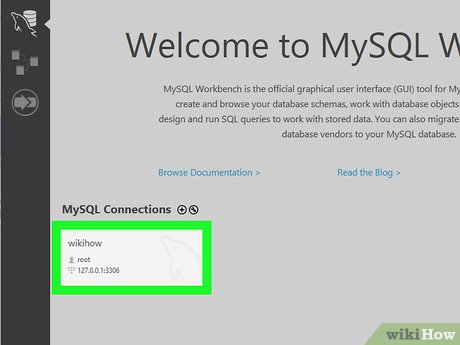 Double-click a model or database under "MySQL Connections." You'll find your available model instances here. Just double-click the one you want to use.
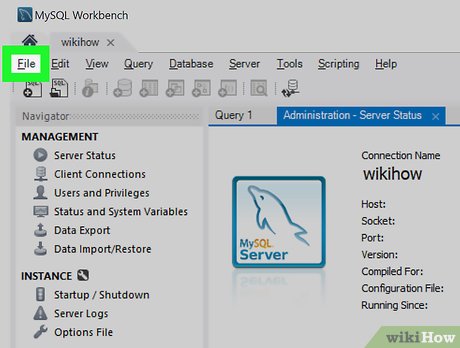 Click theFiletab on the top-left. This button is in the upper-left corner of your screen. It will open a drop-down menu.
 ClickOpen SQL Scripton the File menu. This will open a new file navigator window, and allow you to select the SQL file you want to open.
- Alternatively, pressCtrl+⇧Shift+O(Windows) or⌘Cmd+⇧Shift+O(Mac) on your keyboard.
 Find and click the SQL file you want to open. Use the file navigator window to find your SQL file, and click on its name to select the file.
 ClickOpenon the bottom-right. This button is in the lower-right corner of the file navigator pop-up. It will open your SQL file's contents in the MySQL Workbench app.
- You can view and edit your SQL script here.
Method 2of 2:
Using a Text Editor
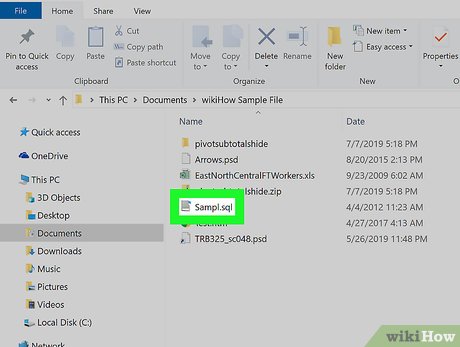 Find and right-click the SQL file. This will open your right-click options on a drop-down menu.
 Hover overOpen withon the right-click menu. This will open a list of recommended applications to open this file.
 SelectNotepad(Windows) orTextEdit(Mac). This will open your SQL file in your text editor. You can easily view and manually edit the SQL script in the text editor here.
- If you don't see Notepad or TextEdit here, click Choose another app or Other at the bottom. This will open a list of all your applications.
FAQ
What is How to Open an SQL File about?
It provides a structured overview of open, explains the main context, and highlights practical takeaways for readers.
Why does this topic matter?
Understanding the main concepts helps readers evaluate the issue, avoid common mistakes, and make better-informed decisions.
How should readers use this information?
Use the guidance as a practical starting point, confirm details that may have changed, and follow current product, safety, or security recommendations.
Related Articles
 How to Fix JPG File Cannot Be Opened Error in Windows 106 minutes read
 What Is the .DAT File: How to Open and Read the .DAT File?10 minutes read
 What Is an AI File How to Open an AI File6 minutes read
 What Is a .Tmp File? How to Open .Tmp File on Windows5 minutes read
 What File Is M4A? How to Open, Edit and Convert M4A Files8 minutes read
 How to Fix the Error of Not Being Able to Open JPG Files6 minutes read
Reader Comments 0
Sign in with email or Google to join the discussion.