Table of Contents
3 Ways to Add Motion Blur Effects to Photos (No Software Needed) brings together practical options worth considering. Below, you'll find clear explanations, useful context, and tips for deciding which choices best match your needs.
Key Takeaways
- Review AIEase.
- Explore photoroom.
- Understand LunaPic.
1. AIEase
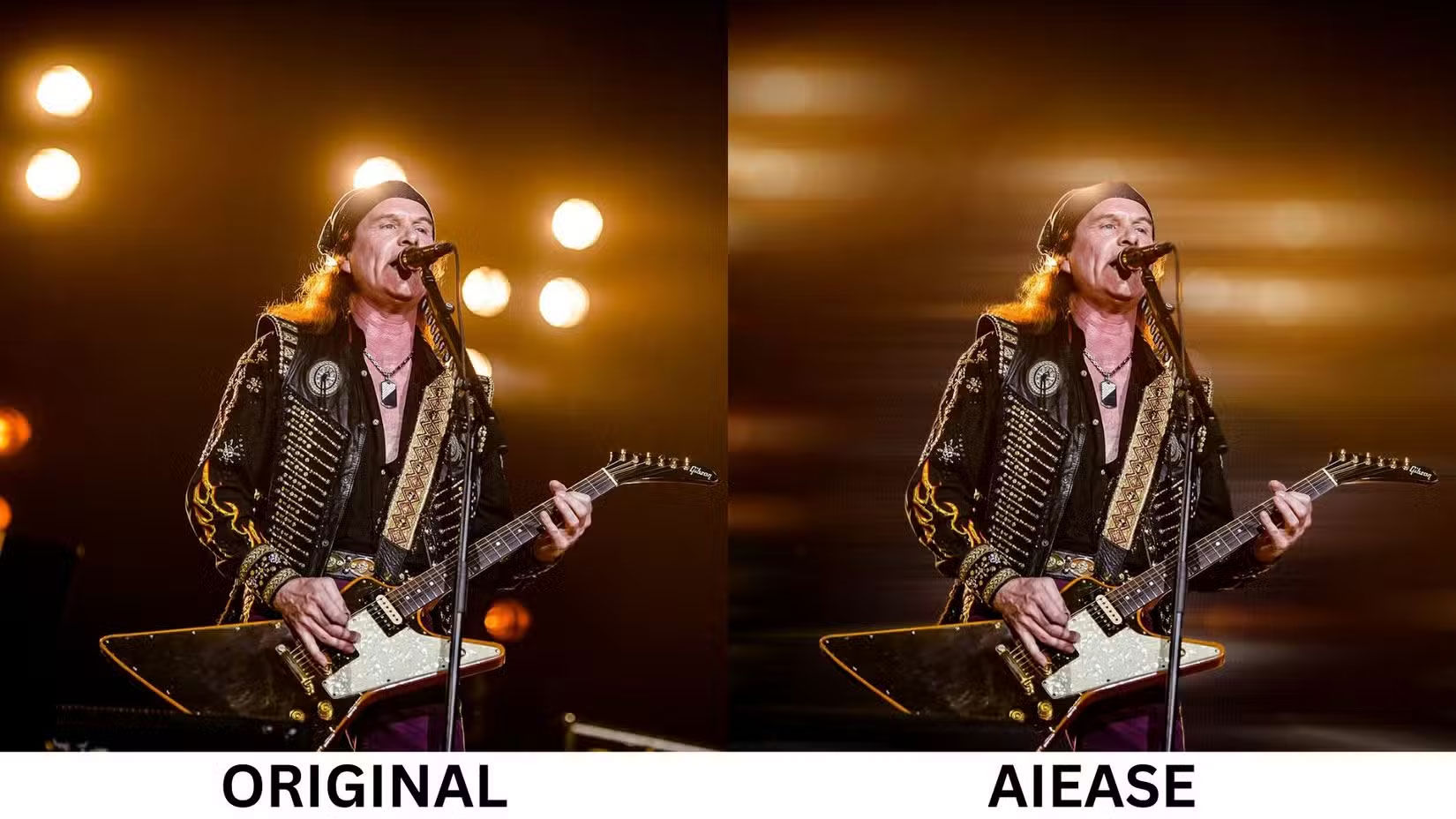
AIEase is the top choice when it comes to adding motion blur effects to smartphone photos. It combines precise background separation with customizable motion blur effects, making it ideal for both beginners and advanced users.
Head over to the AIEase website, click AI Tools, and select All Tools. This helps you get started. Scroll down to the AI Blur Background section and select the Motion Blur tool. Upload your photo, select Motion from the blur types, and adjust the intensity slider to your liking.
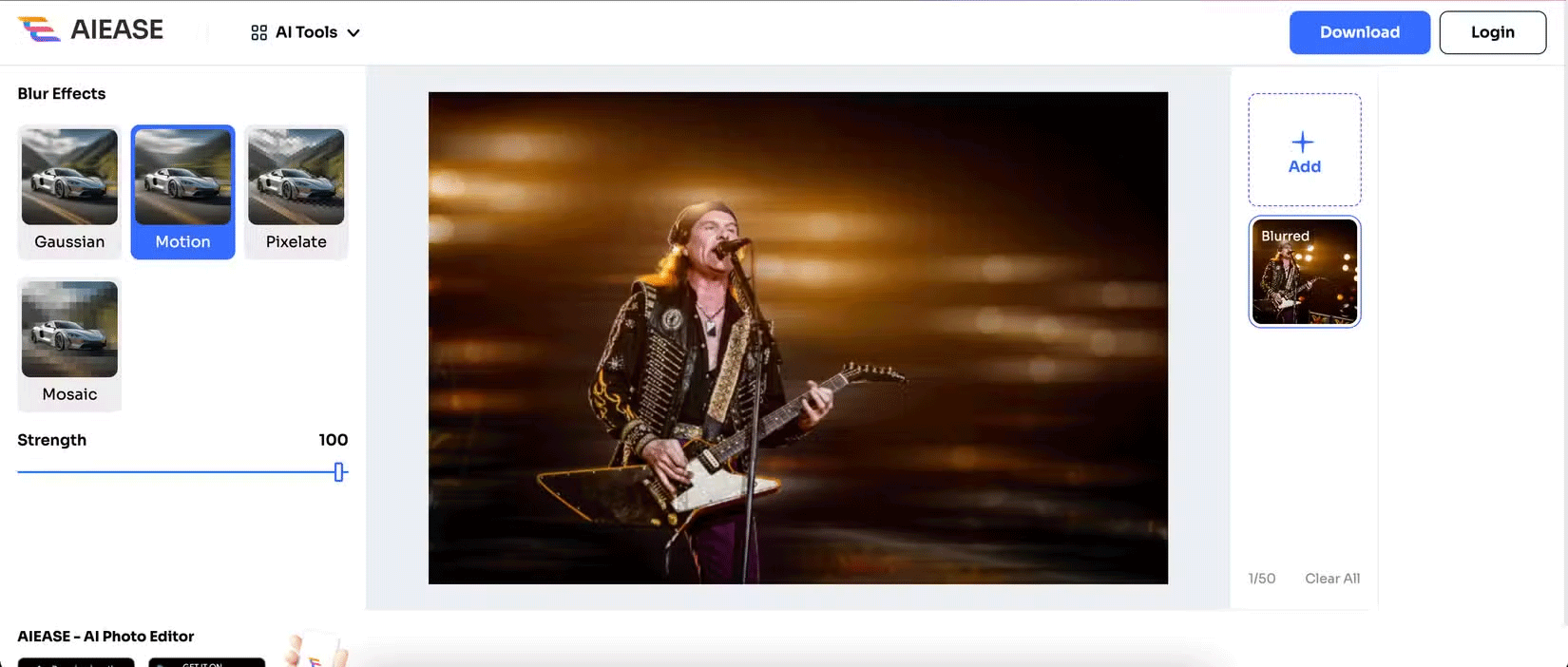
What sets AIEase apart is the level of control it offers. The results were stunning when testing it on a shot of a live rock performance. A slider allows you to tweak the intensity of the motion blur, allowing you to create anything from subtle movement to a dramatic, high-energy effect. Yellow stage lights filled the frame and the guitarist appeared to be in the middle of the action, as if caught in the middle of a powerful riff.
2. Photoroom
Photoroom offers a more streamlined way to add motion blur, making it a great choice if you want quick results without many effort. Unlike what you'll get if you add motion blur to your photos using Adobe Photoshop or even AIEase, Photoroom doesn't allow you to fine-tune the blur effect.
Head to the Photoroom website, click Photo Editor, and select All Tools. This helps you use it. Scroll down to find the Motion Blur option, upload your photo, and let the app do the rest.
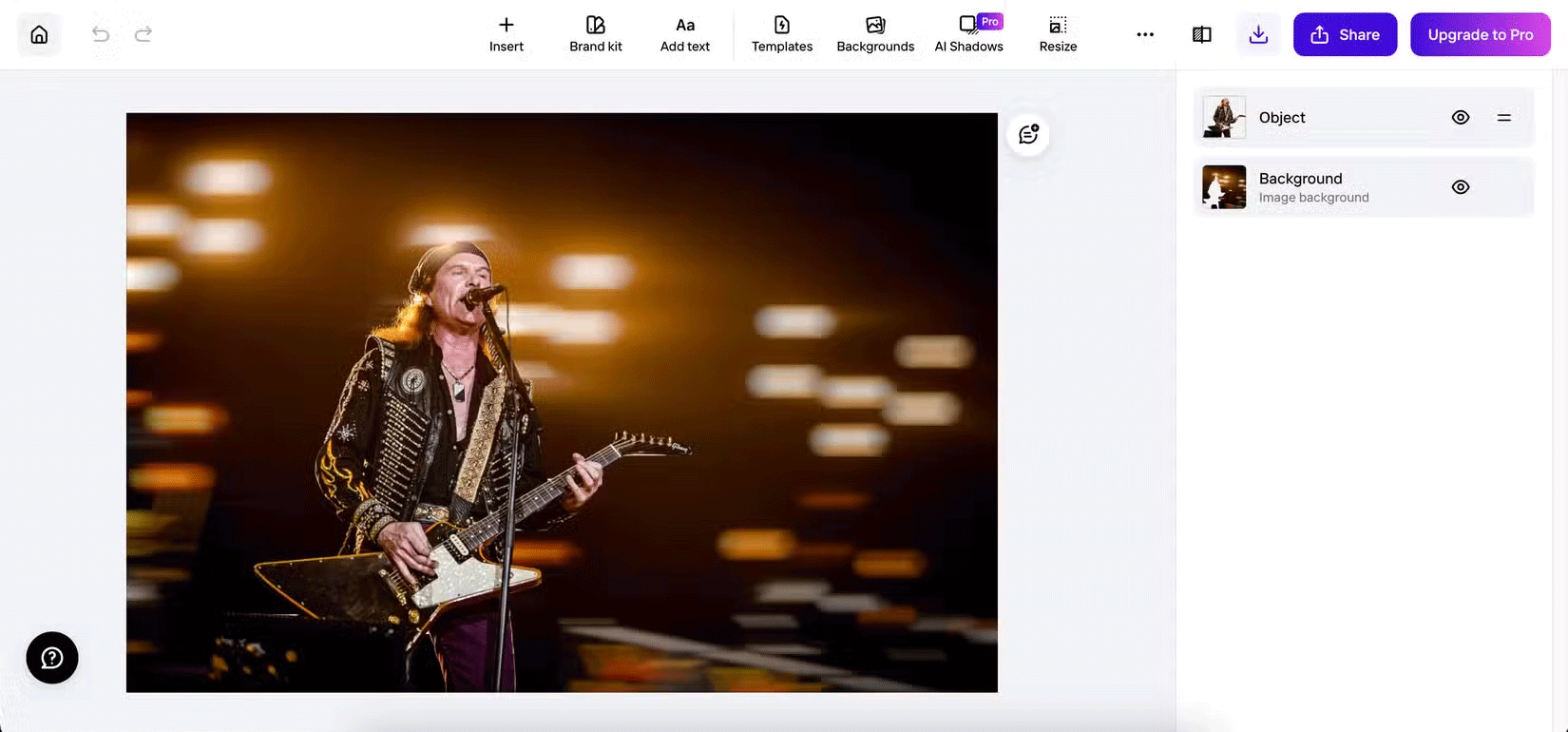
The results are pretty good, especially for casual edits. Photoroom created a nice bokeh effect with the stage lights, softening the background and adding a subtle sense of motion when tested on the same rock concert photo. The guitarist remained in focus, while the lights in the background had a dreamy, hazy quality.
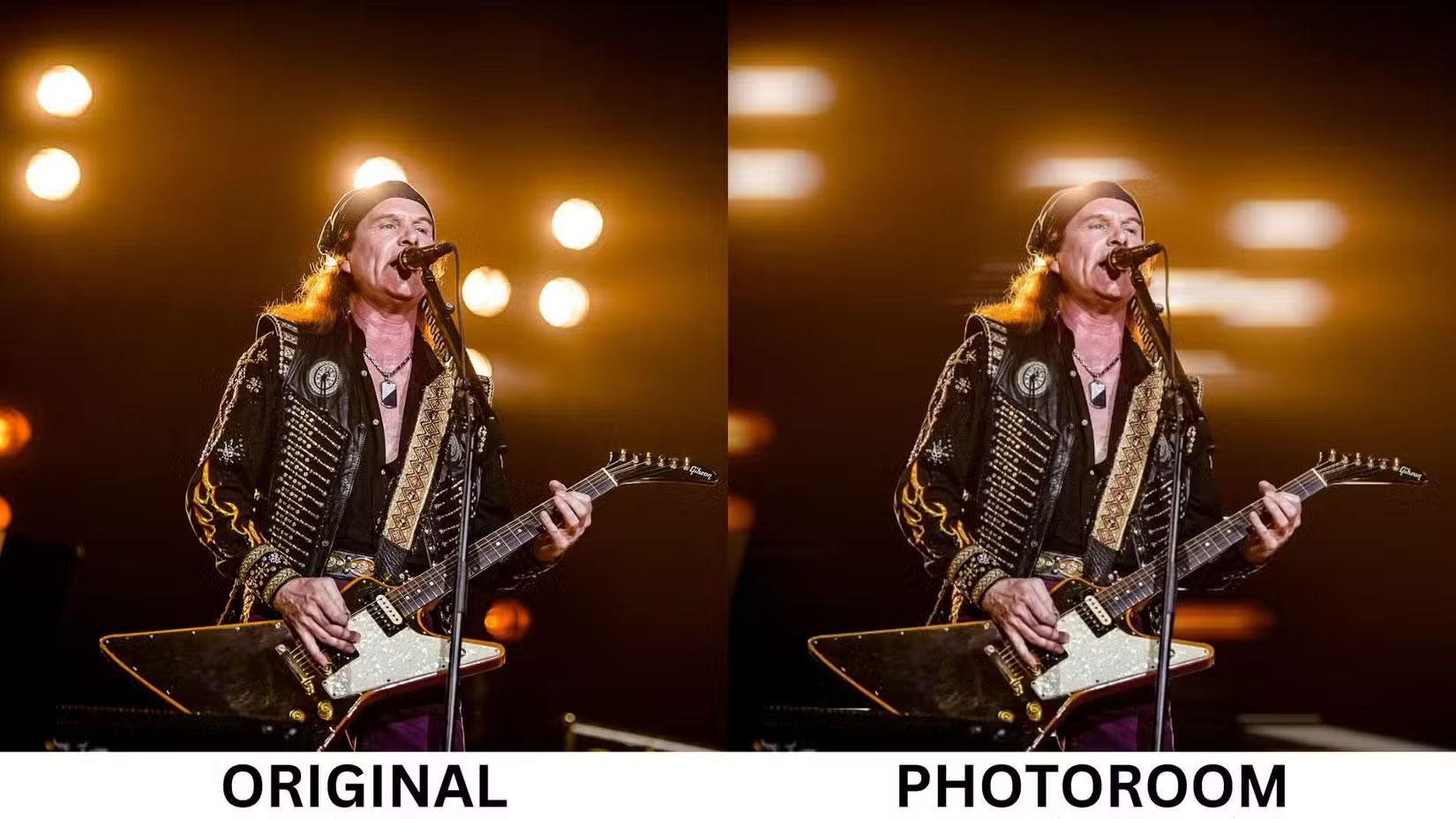
However, the lack of manual controls means you're limited to the "right" blur level that the app decides to achieve. This might be a bit limiting if you're the type who likes to tweak and customize your edits. But for quick, hassle-free results, Photoroom will do the trick.
3. LunaPic
LunaPic brings a unique vintage feel to photo editing, both in its website design and its approach to motion blur. Unlike AI photo editors that isolate the subject and blur the background, LunaPic applies motion blur to the entire image, including the subject. This creates a striking artistic effect, perfect for creative projects or images where you want to evoke nostalgia or an artistic style.
Head to the LunaPic website, click Adjust in the menu, and select Motion Blur from the drop-down list. This helps you try it out. Upload your photo and you'll see a slider to control the intensity of the blur effect.
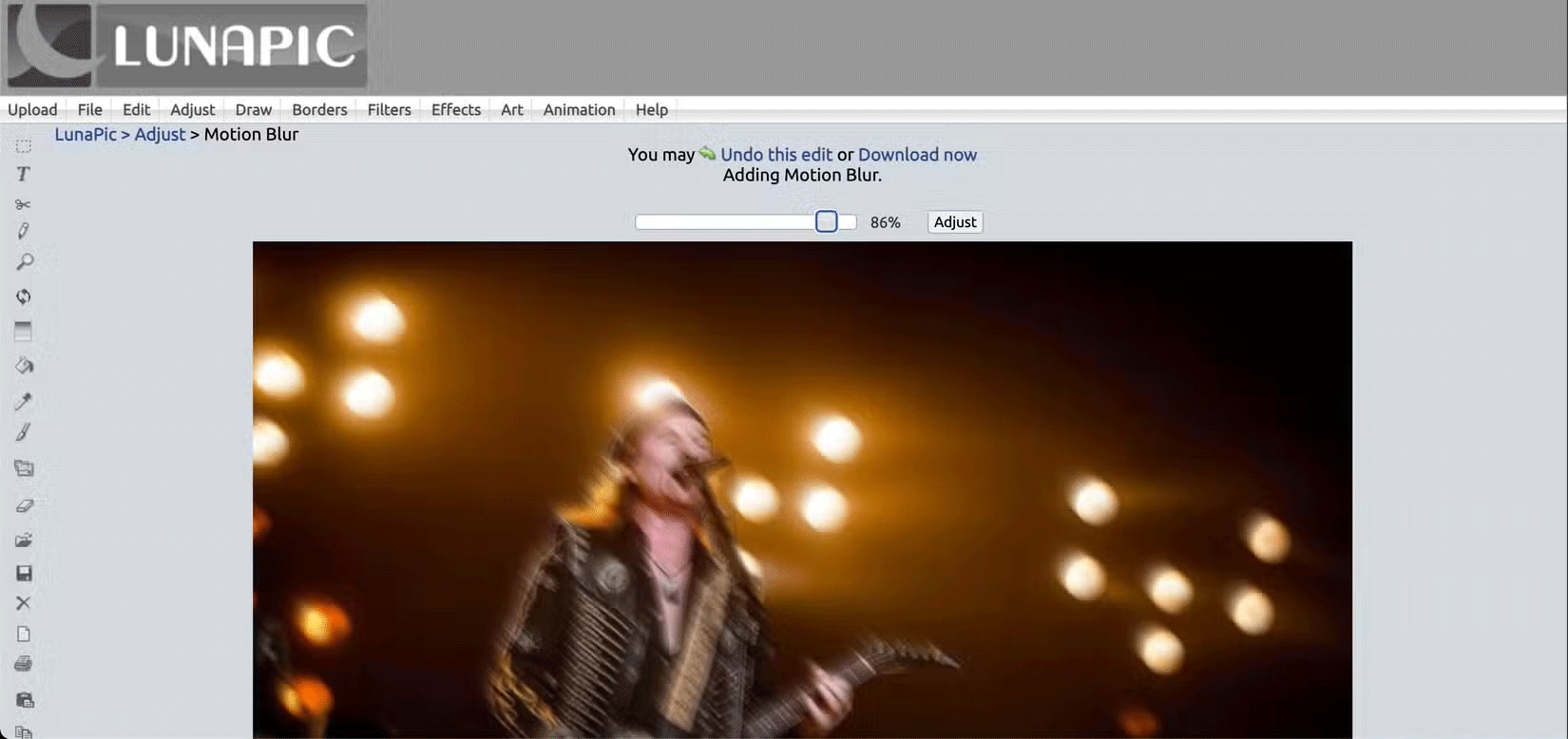
The results are interesting when applied to a rock concert photo. The guitarist's flowing hair and the streaks of light from the stage blend together, creating a sense of frenetic energy as if the entire scene were moving.
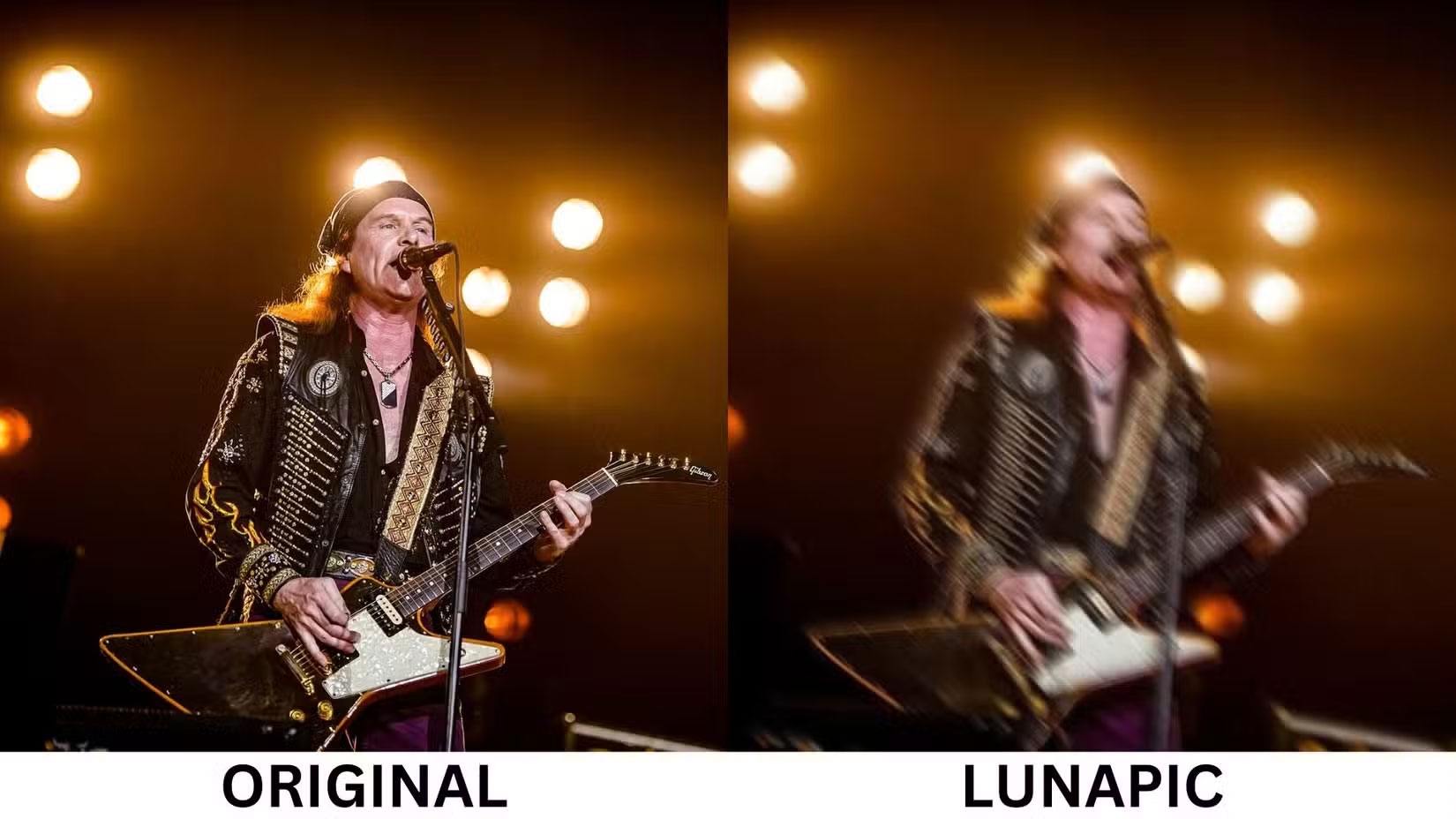
It's perfect for creative projects or images where you want to evoke a sense of nostalgia or artistic flair while this approach doesn't work for every photo.
Adding motion blur to smartphone photos has never been easier, thanks to AI-powered tools like AIEase, Photoroom, and LunaPic. Each app offers something unique, but they all have one thing in common: They make it easy to transform still images into visually appealing, moving photos.
Final Thoughts
The most reliable way to handle ways to add motion blur effects to photos (no software needed) is to follow the process in order, verify each important setting, and test the result before moving on. Use the guidance above as a practical reference, then adjust the details for your device, software version, or specific goal.
FAQ
What should I know first about Ways to Add Motion Blur Effects to Photos (No Software Needed)?
Motion blur adds energy to your photos, but you don't need a complicated app or software to do it.
How do I get the best results with Ways to Add Motion Blur Effects to Photos (No Software Needed)?
Use current software or equipment, follow the steps in order, review the recommended settings, and test one change at a time so you can identify what improves the result.
What should I do if Ways to Add Motion Blur Effects to Photos (No Software Needed) doesn't work as expected?
Check compatibility, permissions, connectivity, and version-specific settings. Restart the relevant device or app, then repeat the process carefully before trying a more advanced fix.
Related Articles
 How to Create Motion Blur on Capcut3 minutes read
 How to Use Photoshop CS5 - Part 14: Create Motion Effects6 minutes read
 How to Blur Photos in Paint4 minutes read
 How to Blur Photos in Corel3 minutes read
 How to Blur Photos on Paint 3D3 minutes read
 6 Ways to Use the Motion Tracking Tool in After Effects9 minutes read
Reader Comments 0
Sign in with email or Google to join the discussion.