Table of Contents
A black screen on a Dell laptop can mean the display is off, Windows is not loading, or the computer has a hardware problem. First check whether the laptop is powered on, whether the screen is faintly visible, and whether the issue began after an update, drop, or connection change. Avoid reinstalling Windows or opening the case until you have narrowed down the cause.
Check power, brightness, and connected devices
- Connect the laptop to its known-good charger and check for power or charging indicators. If the battery may be depleted, leave it charging for a while before trying again.
- Use the keyboard's brightness-up key; the function-key combination varies by model. If an external monitor is connected, use the display-switch key shown on the keyboard or in the manual.
- Disconnect docks, USB devices, memory cards, and external displays. Then restart once. If the screen remains black and the laptop is unresponsive, hold the power button until it turns off, wait briefly, and start it again. Do not force it off while firmware or Windows is visibly updating.

Use an external display to narrow it down
Connect a monitor or TV with a compatible cable and select the correct input on that display. If the external screen works, Windows may be running while the laptop panel, backlight, or internal display connection needs attention. If both screens are black, the problem may involve power, startup, or graphics; this test alone cannot identify a failed component.
If Windows may be running, press Windows+Ctrl+Shift+B once to ask Windows to reset the graphics driver. A beep or brief screen flash may occur. If there is no response, continue with recovery or service checks rather than repeating the shortcut.

Restart only after checking that an update is not in progress.
If the screen stays black
If the Dell logo appears but Windows does not load, use the model's startup menu or Windows Recovery options for diagnostics and Startup Repair. Menu keys and options differ by model. If you can reach Windows Recovery, try Startup Repair before considering a reset or reinstall. Back up important files first whenever possible; reset and reinstall options can remove data.
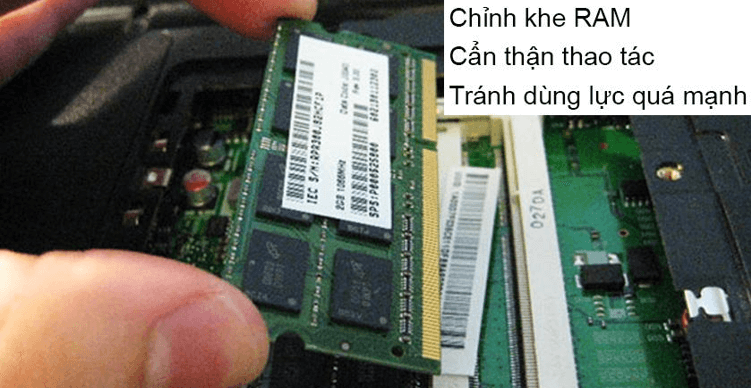
Do not reseat memory unless the service manual for your exact model supports the procedure and you are qualified to do it.
Do not disable the graphics adapter or remove RAM as a general black-screen fix. These actions may make the laptop harder to troubleshoot and are not appropriate without a confirmed diagnosis.

Have internal display connections checked by a qualified technician.
When to contact Dell support or a technician
Arrange service if there is physical screen damage, the laptop shows power but no image on either display, diagnostic indicators or codes appear, or the built-in display remains black after these checks. Provide the exact model, symptoms, and any diagnostic codes. Mention whether files are not backed up before authorizing repairs, a drive replacement, or operating-system recovery.

A Windows reinstall is a last resort because it can erase files and settings.
Related Articles
 Dell launched a ruggedized computer with a 180-degree flip screen
 Error opening laptop screen, black screen, what to do?
 The simplest way to fix a black corner on a laptop screen
 CES 2020: Dell launches G5 15 SE, a mid-range gaming laptop
 The best Dell laptops 2020
 Dell XPS 15 review - The laptop is beautiful and powerful
Reader Comments 0
Sign in with email or Google to join the discussion.