Table of Contents
CrystalDiskInfo reads health and temperature data from supported hard drives and SSDs. To check a drive, install the app or open its portable edition, select the drive by model and capacity, then read Health Status and Temperature together.
Download and install CrystalDiskInfo
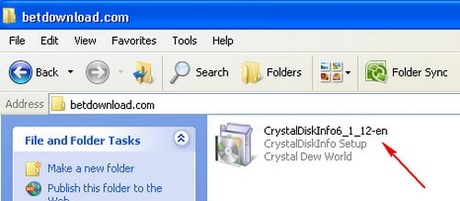
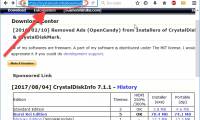
- Get CrystalDiskInfo from Crystal Dew World. Choose the installer if you want a Start menu entry, or extract the portable ZIP into its own folder and open the executable for your system.
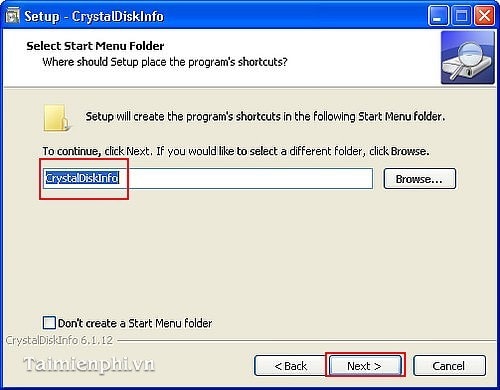
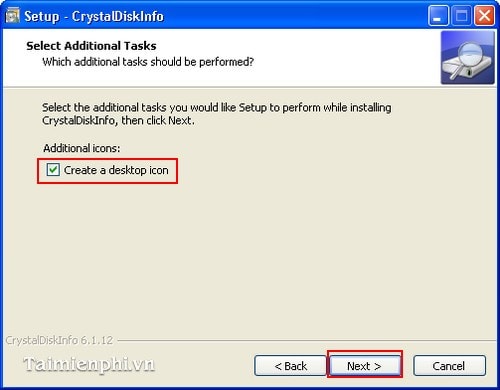
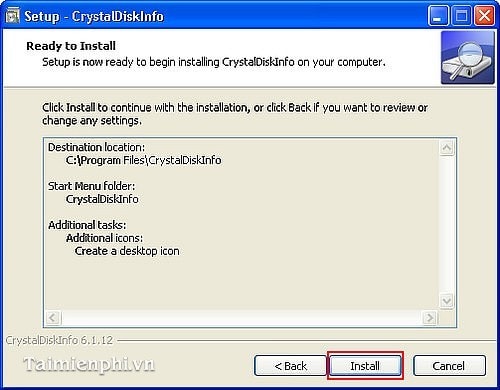
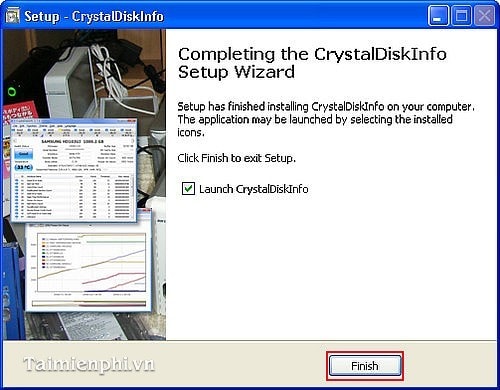
- If you chose the installer, open the setup file. Review the license and choose the install location and shortcuts. The older installer screenshots below show these stages. Your version may group the options differently.
- Complete the installation and open CrystalDiskInfo.


Select the right drive and read its status
Use the drive indicators at the top of the window to switch between physical drives. Check the model and capacity before reading the result, especially if the PC has multiple drives. If you are unsure which disk is which, first identify the SSDs and hard drives in Windows.
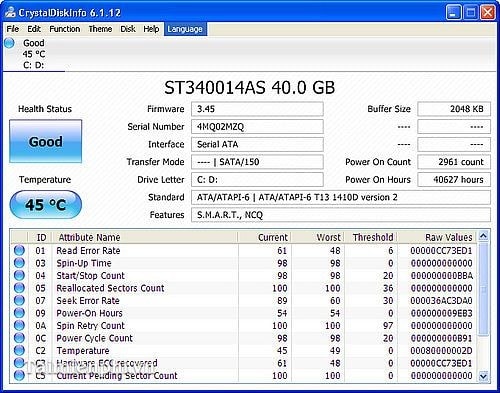
- Good: The readings available to the app did not trigger a health warning. Keep a backup because drives can fail without advance notice.
- Caution or Bad: Back up important files before running extended tests. On an HDD, look for reallocated, pending, or uncorrectable sectors. SSD warning fields vary by model.
- Unknown or missing drive: The app may be unable to read its health data. A USB enclosure or storage controller can limit what the software sees. Check whether the drive appears in Windows and try the manufacturer's diagnostic utility if needed.
Temperature is a point-in-time reading. Compare it with the drive maker's operating range and check again under typical use. If the status looks normal but Windows continues to freeze or report disk errors, follow the Windows drive health troubleshooting steps to check the other storage indicators.
Related Articles
 How to Check HDD and SSD Health with CrystalDiskInfo
 How to check hard drive health in 3 ways
 5 ways to check hard drive effectively to help periodically check the hard drive
 CrystalDiskInfo - Software to check information on the health of your hard drive
 Looking back on 60 years of miraculous development of hard drives today
 Multi-level SSD: SLC, MLC, TLC, QLC and PLC?
Reader Comments 0
Sign in with email or Google to join the discussion.