Table of Contents
Dolby's latest HDR technology promises smarter TVs, but like everything else these days, it's incorporating AI into its feature set. Your content may look great with Dolby Vision 2, but the technology behind the Content Intelligence system is complex.
Dolby Vision 2 will unleash the full potential of TV

Dolby Vision 2 brings new tools to TV studios and production houses, allowing them to achieve higher picture quality, especially on high-end TVs. The standard uses dynamic metadata to identify connected Dolby Vision- compatible displays and adjusts the video signal to take full advantage of the specific display's capabilities.
The dynamic data also contains instructions for fine-tuning the signal based on multiple scenes, shots, or even specific frames. The result is video with accurate color and exposure close to the director's original intent, fine-tuned specifically for your TV screen. The technology also introduces a completely new image processor – the underlying software that processes video content based on the embedded metadata.
In addition to improving the quality of video on TVs, Dolby Vision 2 also incorporates Content Intelligence, a set of tools that allows content creators to 'automatically and intuitively' optimize your TV to deliver a more realistic and beautiful picture based on the content and location you're watching.
At the time of writing, Dolby supports the following features in Content Intelligence:
- Light Sense : Fine-tune picture quality using reference light data that detects ambient light from the content source.
- Precision Black : Improves image clarity without compromising artistic intent. Helps fix issues with images looking too dark.
- Sports and Gaming Optimization : Includes new enhancements like white point adjustment and motion control for better viewing of sports and gaming content.
While there's no doubt that these features will deliver great picture quality on almost any Dolby Vision 2-compatible TV, the standard has to constantly monitor the content you're watching to optimize it. And that's where the worry lies.
Better video quality but at the expense of privacy
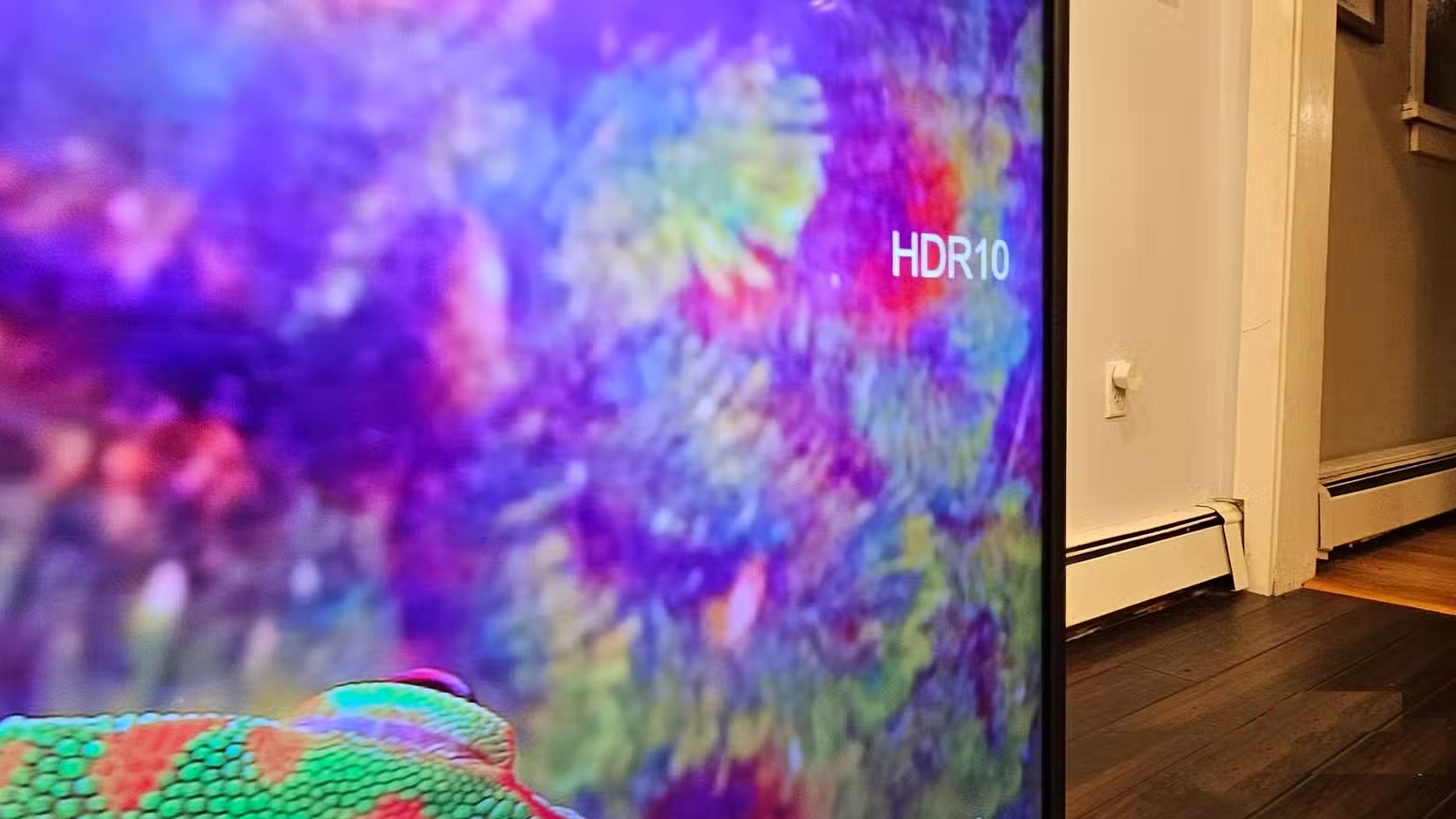
Dolby's announcement doesn't explain exactly how Dolby Vision 2 will automatically optimize content. However, the technology will need to constantly monitor what you're watching and combine it with any sensor data it receives from the TV to achieve the results Dolby is boasting about. Since this is an AI-powered system, the data collection and analysis may be more in-depth than you might think.
Unlike simple data collection, AI systems can collect more sensitive information, such as viewing habits. Dolby Vision 2's AI system can also easily analyze viewing behavior to build detailed psychological profiles.
You see, Smart TVs already have features like Automatic Content Recognition (ACR) that scan everything that's playing on your screen. You can prevent Smart TVs from tracking you with certain tweaks, but this behavior is already there. And if you're wondering if personalized ads on TV are getting a little too accurate, that's because LG Smart TVs use AI to track your emotions.
Also, no information has been shared about what AI systems are powering the Content Intelligence feature set, nor has Dolby shared any information about how this data will be collected, analyzed, or stored.
We'll have to wait until Dolby Vision 2-compatible TVs and content start rolling out to find out, but until then, Dolby's invasive approach to improving picture quality is sure to annoy anyone concerned about their privacy.
Final Thoughts
Overall, Dolby Vision 2 Is the Next Step in HDR is best understood by considering the main facts, practical context, and limitations together. Use the details above as a clear starting point and confirm time-sensitive information when necessary.
FAQ
What does this article explain about Dolby Vision 2 Is the Next Step in HDR?
Dolby's latest HDR technology promises smarter TVs, but like everything else these days, it's incorporating AI into its feature set. Your content may look great with Dolby Vision 2, but the technology behind the Content Intelligence system is complex.
What should you know about Dolby Vision 2 will unleash the full potential of TV?
Dolby Vision 2 brings new tools to TV studios and production houses, allowing them to achieve higher picture quality, especially on high-end TVs.
Should time-sensitive details be verified?
Yes. Software features, game codes, product specifications, prices, and research findings can change. Confirm important details with an official or primary source when accuracy affects your decision.
Related Articles
 How to Enable Dolby Vision HDR in Windows 112 minutes read
 Dolby Vision, HDR10 vs. Hdr10+: Key Differences9 minutes read
 Steps to Install Dolby Audio on Windows 11/105 minutes read
 Enable Dolby Atmos on Galaxy S9 to Experience Extreme Sound5 minutes read
 How to Fix Dolby Atmos Error Not Working on Windows 104 minutes read
 Unlock Dolby Atmos on Your TV with the Right Cable: How-To Guide7 minutes read
Reader Comments 0
Sign in with email or Google to join the discussion.