Table of Contents
This practical guide walks through how to hide and show recent files on Windows 10, explains the main requirements, and highlights common issues that may appear along the way.
1. What is Quick access in File Explorer?
Quick access in File Explorer is a quick access item in Windows 10 you can access recently opened files and frequently opened items in the Quick access section.
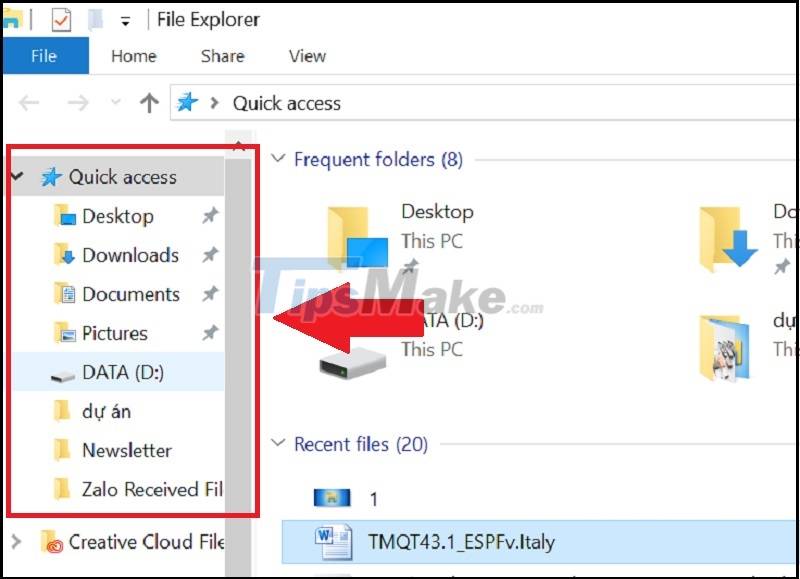
2. What are recently opened files (Frequent folders)?
Frequent folders is a place to store folders (folders) that you frequently open, usually folders like Desktop, Downloads, This PC,. The computer will automatically adjust the order of recently accessed items based on the frequent folders. according to your usage.
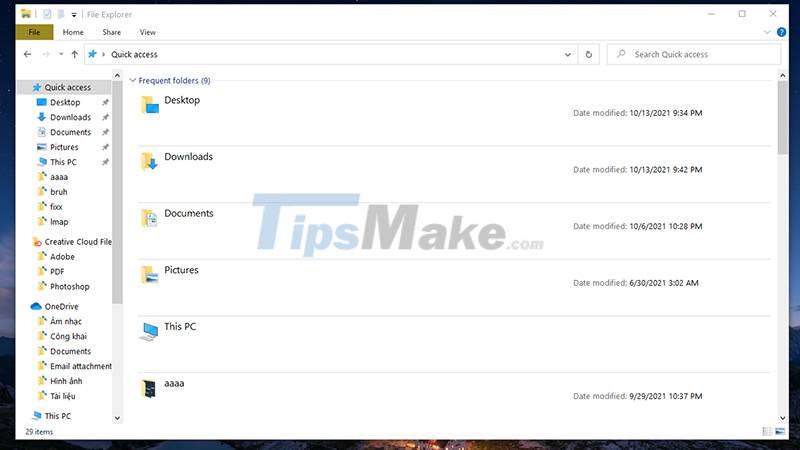
3. What are frequently opened files (Recent files)?
Recent files or recently opened files is the display of recently opened files, there will be about 20 recently opened files from different software. The Recent files section can help users find and open closed files faster, especially in case the previous file name is not remembered.

4. How to turn on and off the display of Frequent Folders and Recent Files
How to enable Frequent Folder and Recent Files
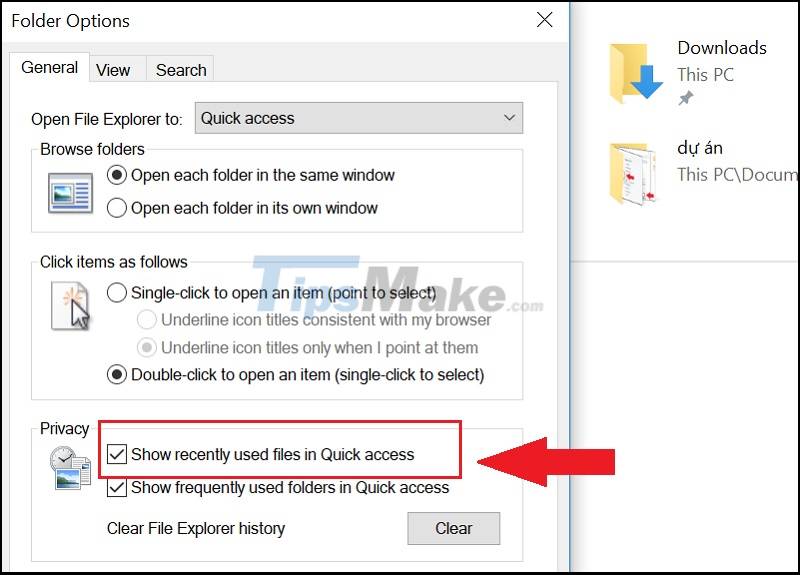
Step 1: Open Files Explorer > Select File > Change folder and search options.
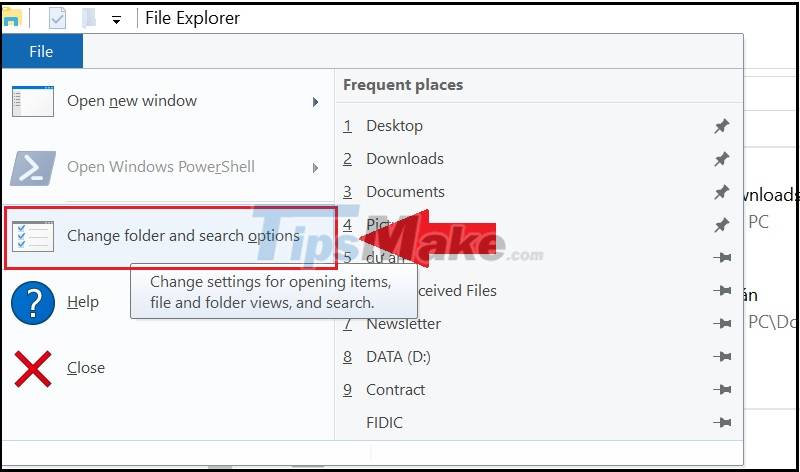
Step 2: In the Privacy section > Select Show frequently used files in Quick access to enable the display of Frequently opened files.
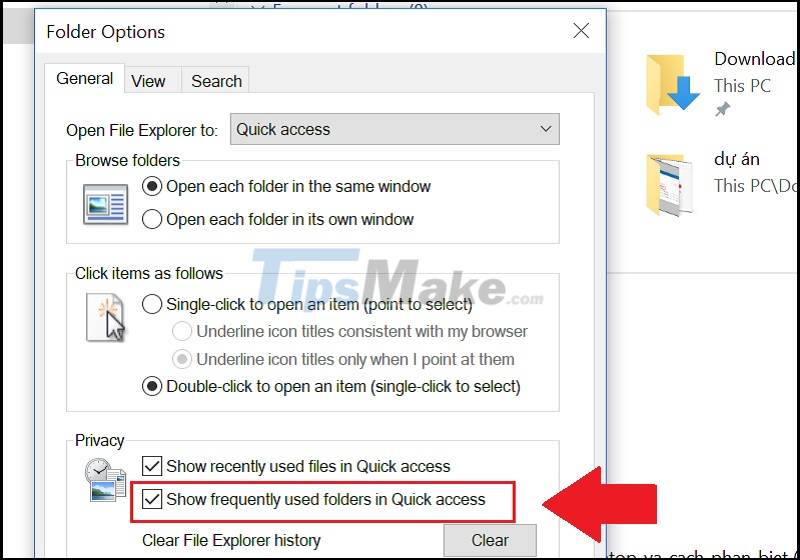
Step 3: In the Privacy section > Select Show recently used folders in Quick access to turn on the display of Recently opened folders.
How to turn off Frequent Folder and Recent Files
Step 1: Open Files Explorer > Select File > Change folder and search options.
Step 2: Under Privacy > Uncheck Show recently used files in Quick access to turn off the display of Recently opened files.

Step 3: Under Privacy > Uncheck Show frequently used folders in Quick access to turn off the display of frequently opened folders.

Above is a guide to turn off the display of recently opened files on Windows, good luck!
Key Takeaways
Use the information above as a practical reference for how to hide and show recent files on Windows 10. Review each step carefully, confirm any requirements, and choose the option that best fits your situation.
FAQ
What does this guide explain about Hide and Show Recent Files on Windows 10?
It explains the main concepts, practical considerations, and useful steps related to hide and show recent files on Windows 10 without requiring advanced knowledge.
Who can benefit from learning about Hide and Show Recent Files on Windows 10?
This information is useful for readers who want a clear overview, practical guidance, and reliable steps related to hide and show recent files on Windows 10.
What should I check before applying this information?
Review the requirements, confirm that your device, software, or situation matches the instructions, and back up important data before making major changes.
Related Articles
 How to Show and Hide Files in Windows 103 minutes read
 How to Show or Hide Files in Windows 73 minutes read
 How to Hide // Show Recent Files and Frequently Folders in Quick3 minutes read
 How to Hide and Show Files in Windows 11 Without Software3 minutes read
 How to Hide Files, Show Hidden Files, View Hidden Folders and5 minutes read
 How to HIDE / SHOW Files and Folders by CMD Command on Win6 minutes read
Reader Comments 0
Sign in with email or Google to join the discussion.