Table of Contents
Wipe Recent Files Search History on File Explorer Windows 10 is easier to understand when the core ideas are paired with practical examples. The sections below explain the topic clearly, highlight useful steps, and point out details that can prevent common errors.
Every time you manipulate any action on File Explorer, such as opening folders, or files,. on your Windows 10 computer. File Explorer will show you the most recently used folders and files.
However for some reason you don't want this information to be displayed on File Explorer and don't want other users to borrow your computer to use it, you know what you did, you can "clean up" the calendar. Use Recent Files on File Explorer Windows 10 to clean up "traces".
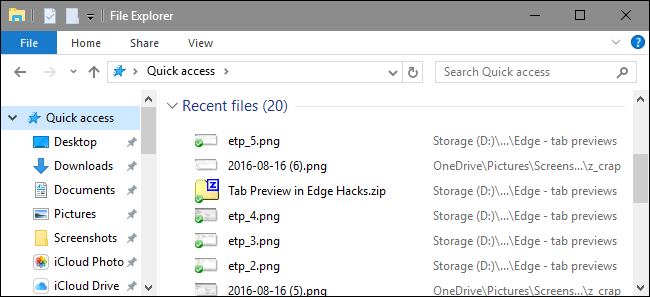
To "clean" Recent Files history on File Explorer Windows 10, follow the steps below:
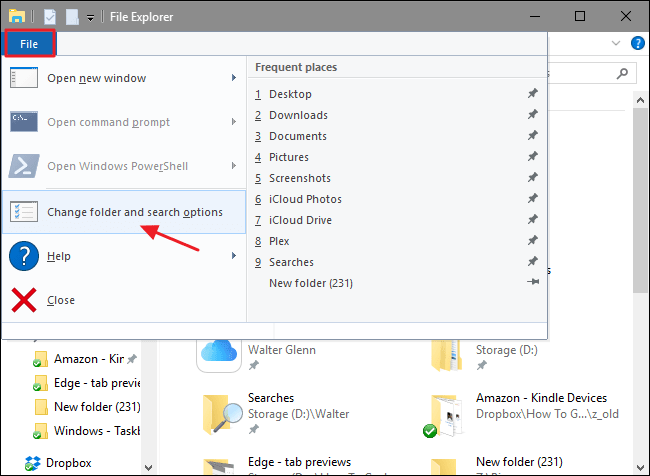
On File Explorer, click Menu File , then select the Change folder and search options option .
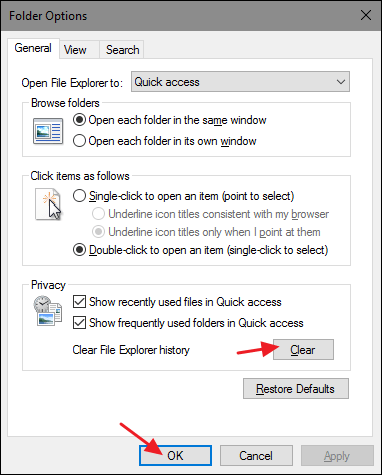
On the Folder Options dialog window, on the General tab, click Clear to clear the history on File Explorer. Once done, click OK to return to File Explorer.
Now you will see that there is no Recent items item displayed on File Explorer.

Refer to some of the following articles:
- Instructions to disable Cortana on Windows 10 Anniversary Update
- On Windows 10 you should disable these features
- Free memory space after updating Windows 10 Anniversary
Good luck!
FAQ
What is Wipe Recent Files Search History on File Explorer Windows 10?
Every time you manipulate any action on File Explorer, such as opening folders, or files,.
Why is Wipe Recent Files Search History on File Explorer Windows 10 important?
A clear understanding of Wipe Recent Files Search History on File Explorer Windows 10 helps you make informed decisions, avoid common mistakes, and use the relevant tools or techniques more effectively.
How should beginners approach Wipe Recent Files Search History on File Explorer Windows 10?
Start with the fundamental concepts, follow the examples step by step, and test each change in a safe environment before applying it to important systems or data.
Related Articles
 How to Delete Folder and File Search History on File Explorer6 minutes read
 Disable Search History on Windows File Explorer6 minutes read
 How to Delete Folder and File Search History in Windows Explorer?5 minutes read
 5 File Explorer Search Tips You Need to Know8 minutes read
 Files Is a Windows File Explorer Alternative That Meets All User Needs6 minutes read
 How to Fix the File Explorer Not Working Search Error on Windows 105 minutes read
Reader Comments 0
Sign in with email or Google to join the discussion.