Table of Contents
This guide explains how to delete Redundant, Blank Pages in Word, with clear steps, practical tips, and important checks before you begin.
Here TipsMake. vn will guide you how to delete redundant pages, blank pages in Word, please see.
1. Delete a blank page in Word with Paragraph
Step 1: On the menu bar, select Home and select the Show / Hide icon  in the Paragraph section.

Step 2 : So the icons  will appear in the Word document, you just need to black out all the icons and press Delete to delete.

Step 3 : So redundant pages, blank pages will be deleted, you select Home -> Show / Hide  to hide the icons
  away.
away.

2. Quickly delete redundant, blank pages in Word
Step 1 : To quickly delete redundant pages, blank pages, put the mouse cursor at the bottom of the page before the white page.
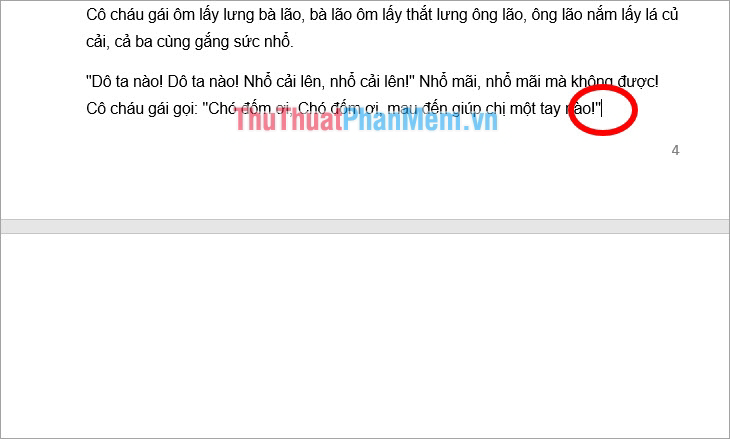
Step 2: Hold down the Shift key and click on the first position after the blank page to be deleted.
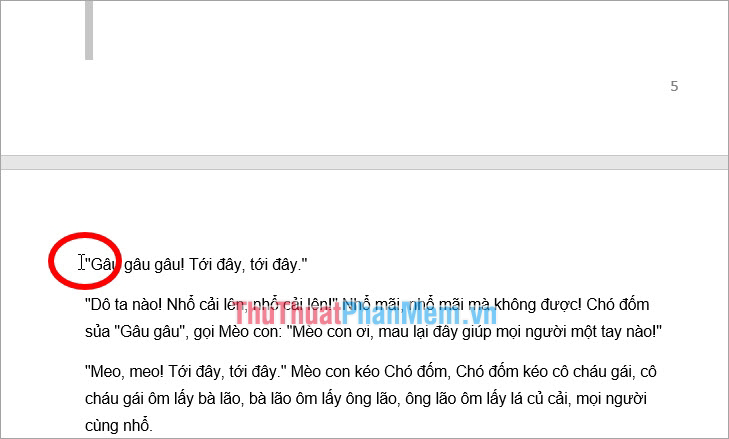
Step 3: Click Delete to quickly delete redundant pages, blank pages.

3. Delete the blank page due to Page Break and Section Break
If your Word document has a page break due to Page Break and Section Break, you can delete the blank page as follows:
Step 1: Check if the blank page is caused by Page Break or Section Break, select the Home tab and select the Show / Hide icon  in the Paragraph section.
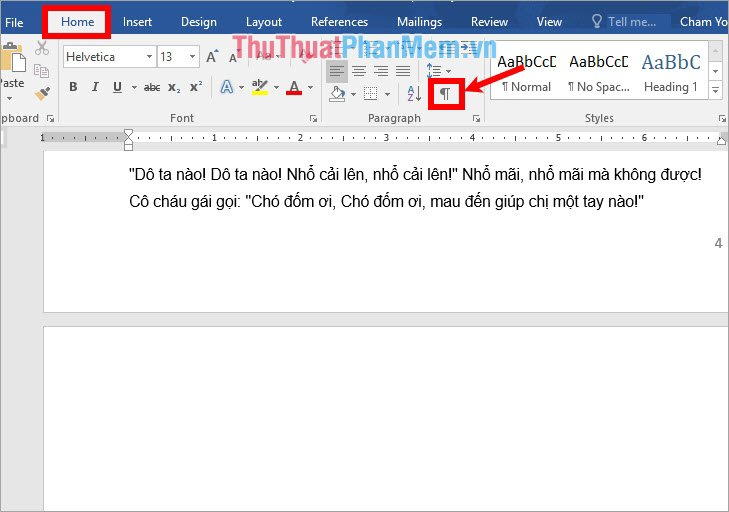
If Page Break or Section Break appears, it will display as shown below.
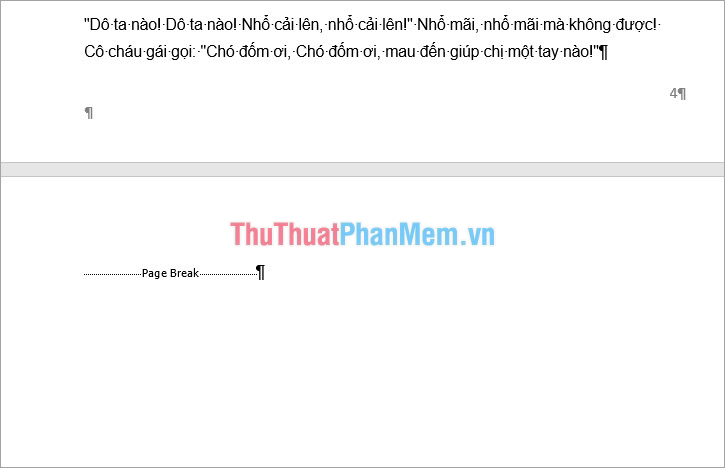
Step 2 : To delete the white page, place the cursor before Page Break or Section Break and press the Delete key to delete.
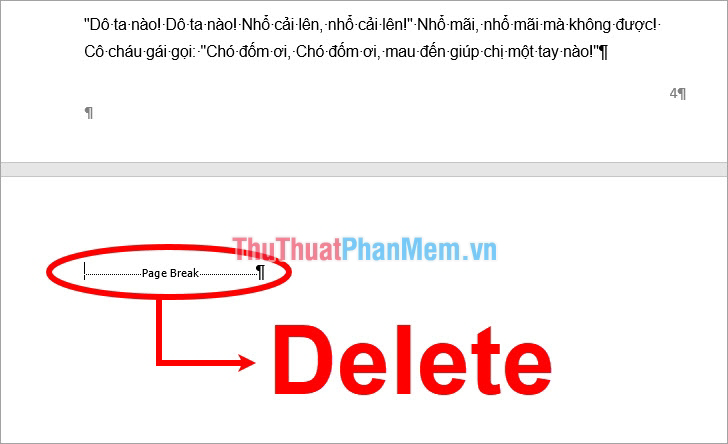
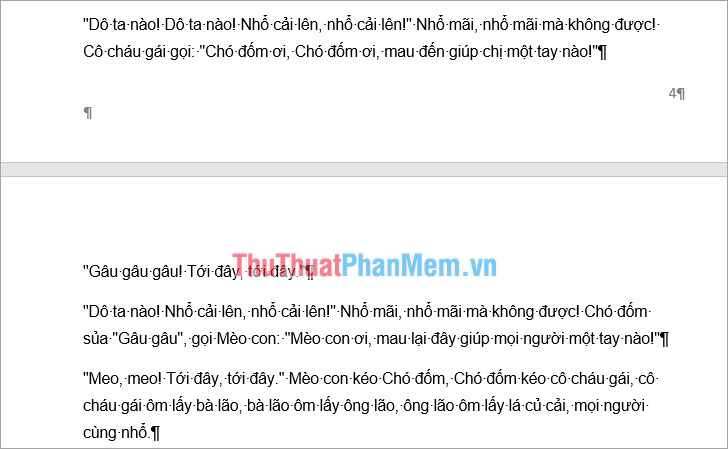
So you deleted the blank page, extra pages in Word.
So, above TipsMake. vn has shared with you the ways to delete redundant pages, blank pages in Word. Hopefully, what the article will share will help you when you need to delete redundant pages, blank pages in Word. Good luck!
FAQ
What should I know about Delete Redundant, Blank Pages in Word?
Focus on the key features, requirements, limitations, and practical use cases explained in this guide.
How do I get the best results with Delete Redundant, Blank Pages in Word?
Follow the recommended steps, use current software or information, confirm compatibility, and review settings before major changes.
Are there any risks or limitations?
Potential limitations depend on compatibility, data quality, cost, privacy, support, and how the product or method is used.
Related Articles
 How to Delete Blank Pages in Word: Step-by-Step Guide2 minutes read
 How to Delete White Pages in Word Is Easy: Delete Word White Pages3 minutes read
 How to Delete Blank Pages in Word Is Simple but Not Everyone Knows3 minutes read
 How to Delete Blank Pages in Word 20163 minutes read
 How to Remove a Blank Page in Word5 minutes read
 Delete Pages in Word - Instructions on How to Delete Pages in Word4 minutes read
Reader Comments 0
Sign in with email or Google to join the discussion.