Table of Contents
This guide explains how to delete Photos Permanently on ICloud Fastest, with clear steps, practical tips, and important checks before you begin.

Method 1: Delete photos permanently on iCloud directly on the phone
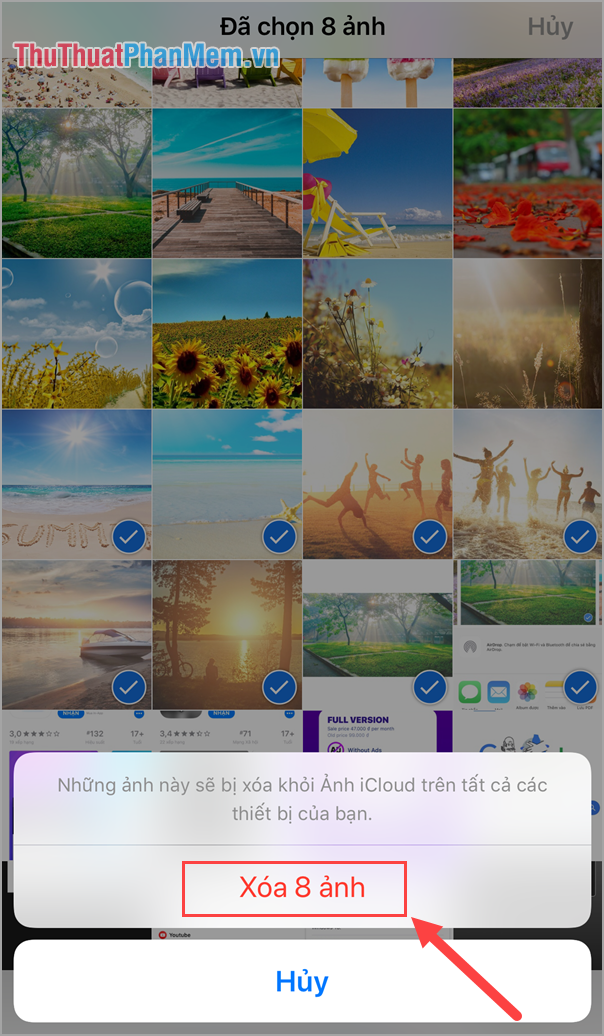
Step 1: You proceed to open Photo Album on your device and select "Select" to select multiple photos to be permanently deleted on iCloud. Then, you select the Trash icon to delete.

Step 2: At this time, there will be the message : "These photos will be deleted from iCloud on all your devices" . You choose Delete to continue.
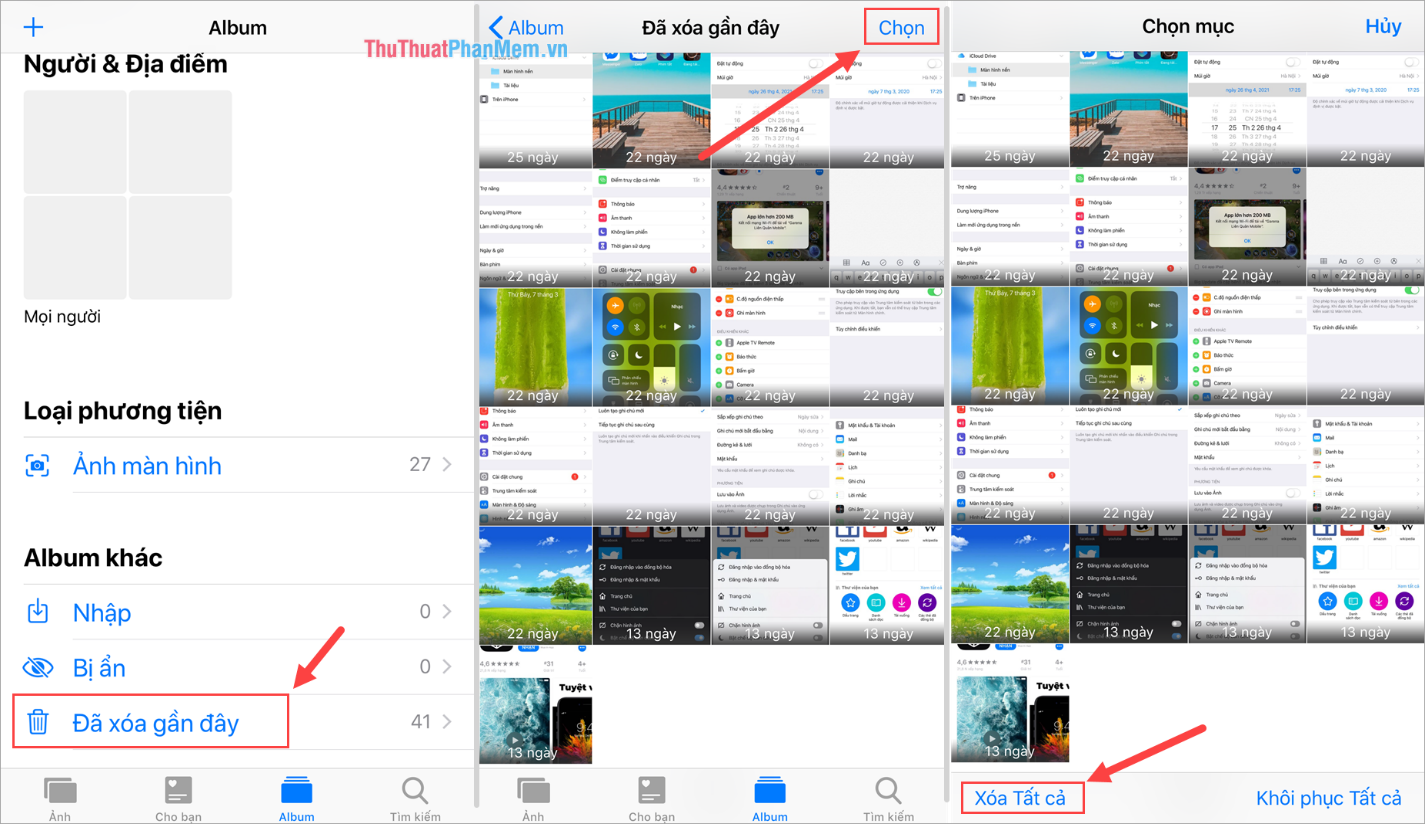
Step 3: At this time, the image is still in the Trash and 30 days later they are completely deleted. You proceed to select Recently Deleted -> Select and select Delete all to delete them permanently from iCloud.
Method 2: Delete photos permanently on iCloud manually
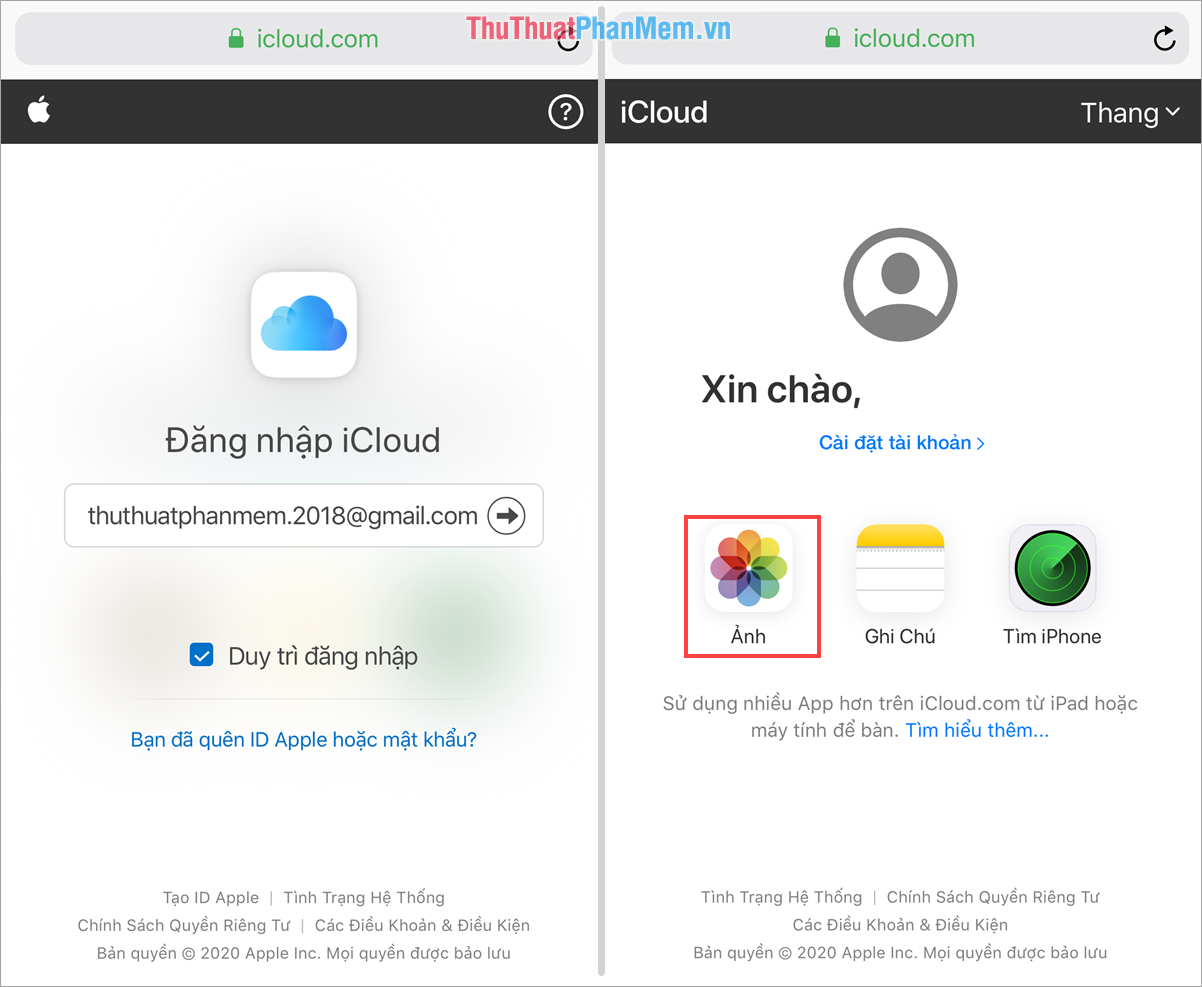
Step 1: You open Safari and visit the homepage of iCloud under the link https://www. icloud. com/
Step 2: Then, you proceed to log in with your iCloud account and select Photos to continue.
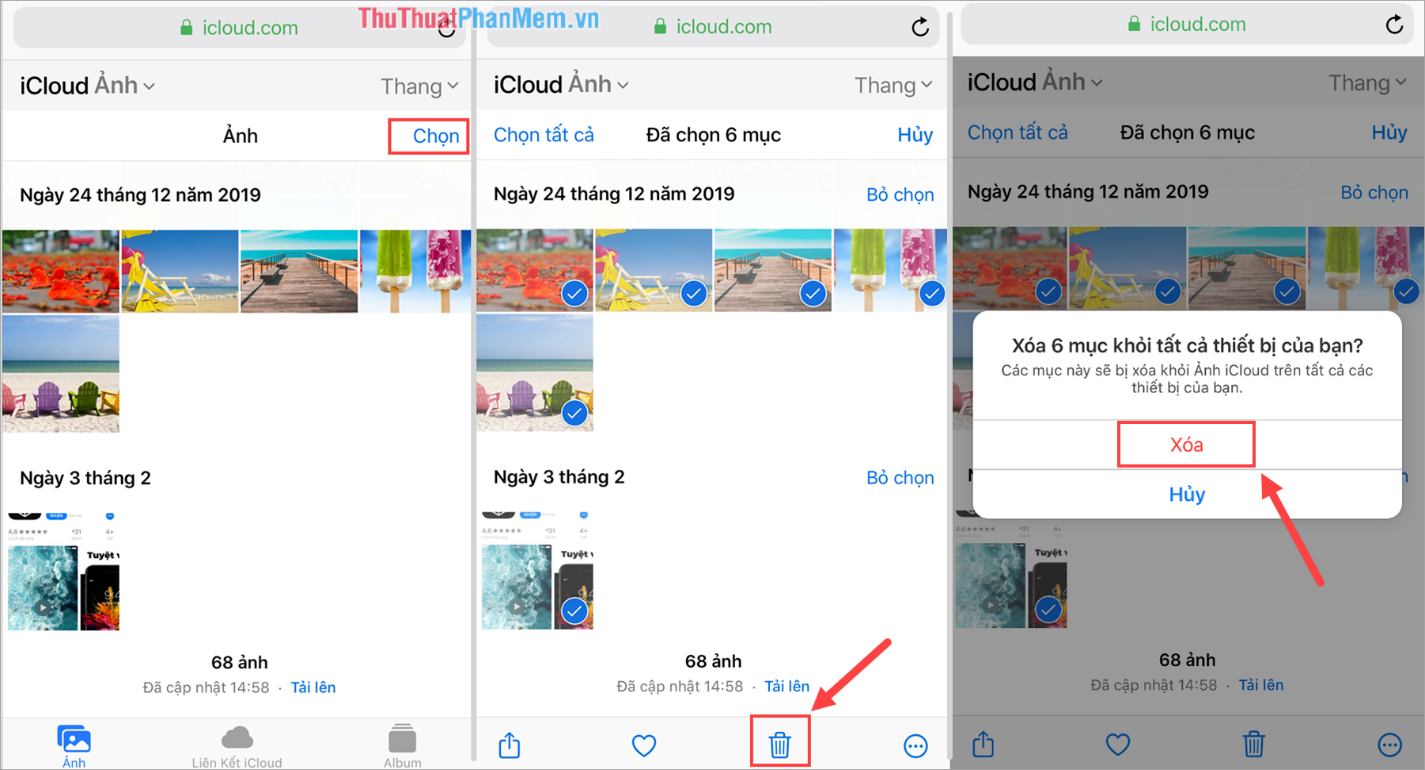
Step 3: Continue, you select the "Select" to select the photos to be permanently deleted from iCloud. Then, you select the Trash and select Delete to delete photos from iCloud.
Method 3. Turn off iCloud image backup
Step 1: You proceed to Settings and select the Account section on the top. Here, you proceed to choose iCloud to set them up.

Step 2: After that, select the Photos section and turn off the iCloud Photo / Album shared feature .

In this article, Software Tips have shown you how to permanently delete photos on iCloud and how to turn off image backup. Good luck!
FAQ
What should I know about Delete Photos Permanently on ICloud Fastest?
Focus on the key features, requirements, limitations, and practical use cases explained in this guide.
How do I get the best results with Delete Photos Permanently on ICloud Fastest?
Follow the recommended steps, use current software or information, confirm compatibility, and review settings before major changes.
Are there any risks or limitations?
Potential limitations depend on compatibility, data quality, cost, privacy, support, and how the product or method is used.
Related Articles
 How to Cancel Unnecessary Backups on Icloud3 minutes read
 How to Use iCloud Photos on iPhone, iPad, and Mac4 minutes read
 How to Delete Photos on iPhone Permanently3 minutes read
 How to Permanently Delete Tik Tok Account on the Phone4 minutes read
 How to Delete Photos on the Fastest iPhone3 minutes read
 Why Is Google Photos Better Than iCloud on iPhone: Explained7 minutes read
Reader Comments 0
Sign in with email or Google to join the discussion.