Table of Contents
This updated guide examines Audio: How to Convert Flac to Mp3 and organizes the essential facts, background, and practical takeaways in clear American English.
Method 1of 2:
Converting FLAC to MP3 on Windows and Mac OS X
 Download MediaHuman's Audio Converter application. Go to their website. Download the installation file for your computer.
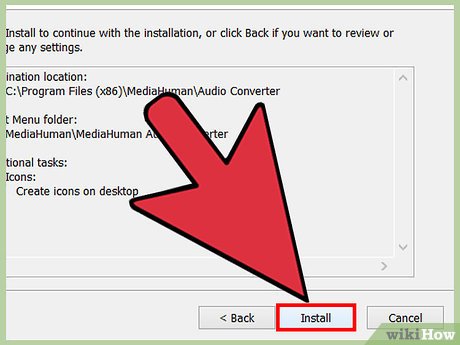 Install the Audio Converter application.
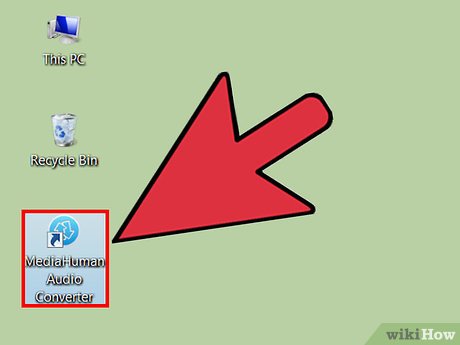 Open Audio Converter.
 Click and drag one or more FLAC files onto the Audio Converter window. You can also add files by clicking the+button. This opens a file picker window.
 Click the Format dropdown menu, and then click MP3. It's the only dropdown menu in the Audio Converter menu bar.
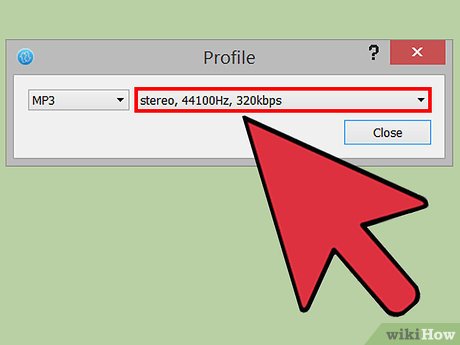 In the MP3 dialog box, choose the format settings for the final MP3 files.
- You can choose whether to convert to mono or stereo audio. You will probably lose some audio content if you choose the mono option.
- You can choose what sample rate you want to use. 44.1 kHz (or 44100 Hz) is the sample rate used by audio CDs. Less than that and you'll start to hear the loss in quality.
- You can choose the bit rate you want to use. 128kbps is often used for MP3s on the internet.[2]XResearch source
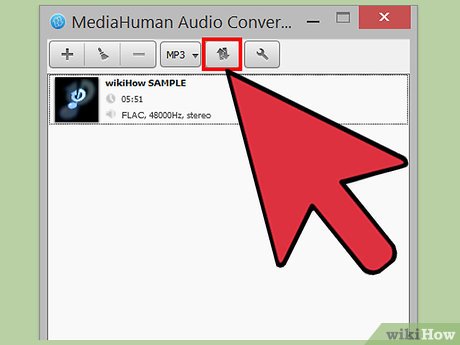 Convert the audio. Click the Convert button to start converting the FLAC files.
 Find the converted files. Click the Locate button next to the converted files to open the directory with the converted MP3s.
- The Locate button looks like a magnifying glass.
- Audio Converter can also convert to WMA, MP3, AAC, WAV, OGG, AIFF, and Apple Lossless audio formats.
Method 2of 2:
Converting for GNOME in Linux
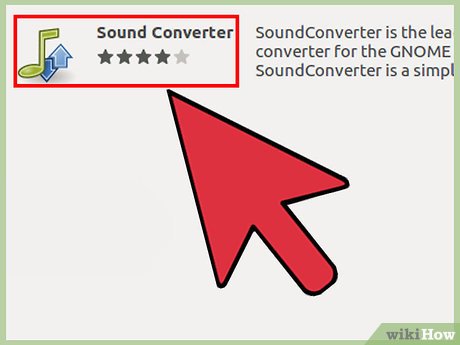 Download and install SoundConverter. It's located at http://soundconverter.org.
- SoundConverter is free software licensed under the GPL.
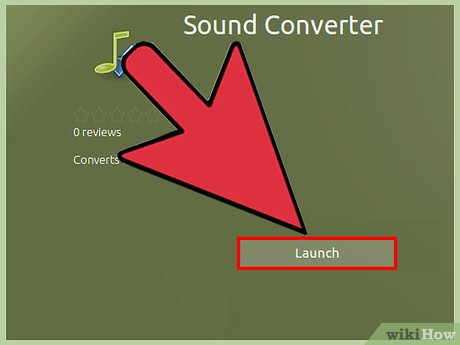 Open SoundConverter.
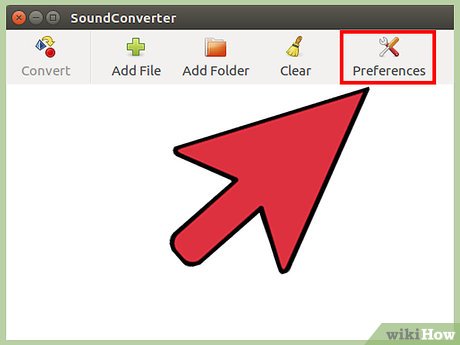 ClickPreferencesto open the Preferences window.
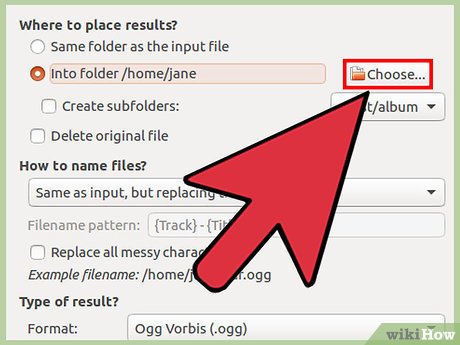 In the Preferences window, clickChoose, and then choose the folder location for the converted MP3 files.
 Under Type of result, click the Format dropdown menu, and then clickMP3 (mp3).
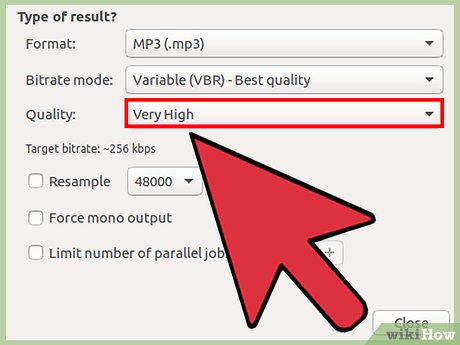 Choose the MP3 audio quality. Click the Quality dropdown menu, and then choose the audio quality you want.
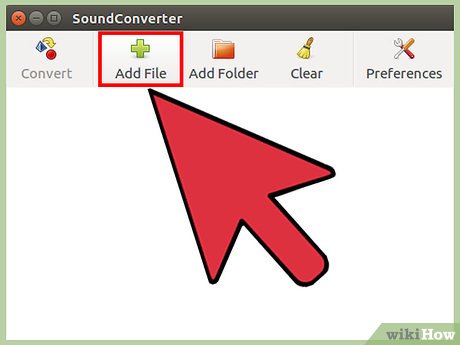 Load FLAC files into SoundConverter. In the main window, clickAdd Fileto add a file orAdd Folderto add a folder of FLAC files. The files are added to the SoundConverter list.
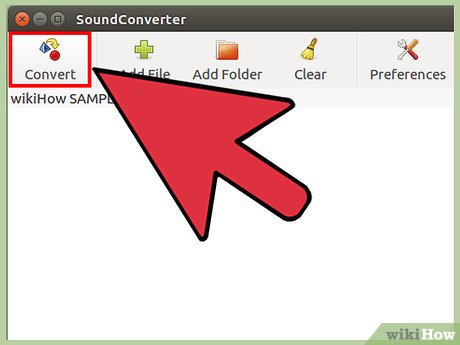 ClickConvert. SoundConverter begins converting the FLAC files to MP3 in the output folder you chose.
- SoundConverter can convert audio files into many different formats.[3]XResearch source
FAQ
What is Audio: How to Convert Flac to Mp3 about?
It provides a structured overview of audio, explains the main context, and highlights practical takeaways for readers.
Why does this topic matter?
Understanding the main concepts helps readers evaluate the issue, avoid common mistakes, and make better-informed decisions.
How should readers use this information?
Use the guidance as a practical starting point, confirm details that may have changed, and follow current product, safety, or security recommendations.
Related Articles
 How to Convert FLAC File to ALAC: FLAC to ALAC6 minutes read
 How to Convert FLAC to MP3 Format: Step-by-Step Guide5 minutes read
 What File Is FLAC? How to Open, Edit and Convert FLAC Files7 minutes read
 How to Play Flac Files on Mac5 minutes read
 How to Play FLAC Files: Step-by-Step Guide4 minutes read
 Is Your FLAC File Corrupted? Guides on How to Fix Corrupt FLAC Files7 minutes read
Reader Comments 0
Sign in with email or Google to join the discussion.