Table of Contents
This guide explains how to backup, Backup iPhone Messages Quickly and Easily, with clear steps, practical tips, and important checks before you begin.
1. Backup, Backup iPhone messages using iCloud
Step 1: Go to Settings => Account & Password => iCloud .
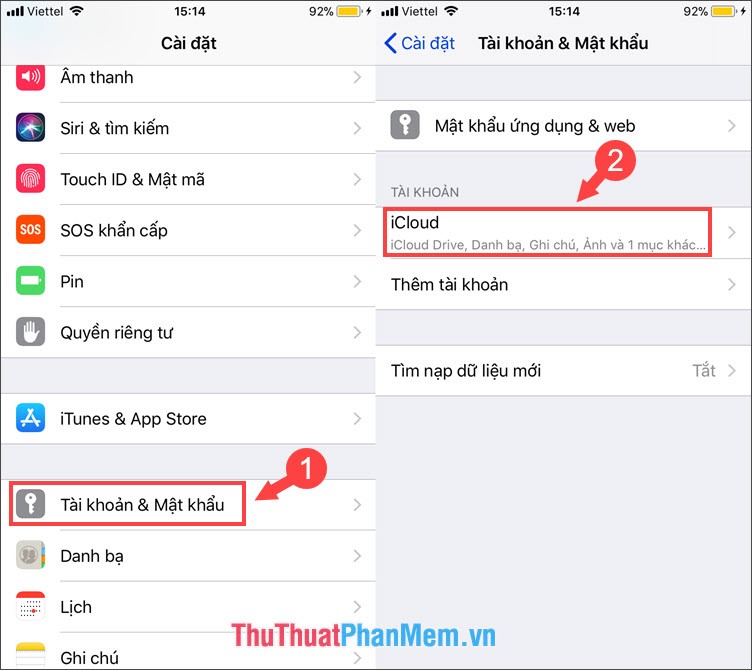
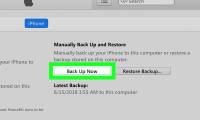
Step 2: Choose iCloud Backup => Backup now to backup everything. We can now sync messages to another iPhone by entering the synced iCloud account on the old device.

2. Use EaseUS MobiMover Free software
You can download EaseUS MobiMover Free here!
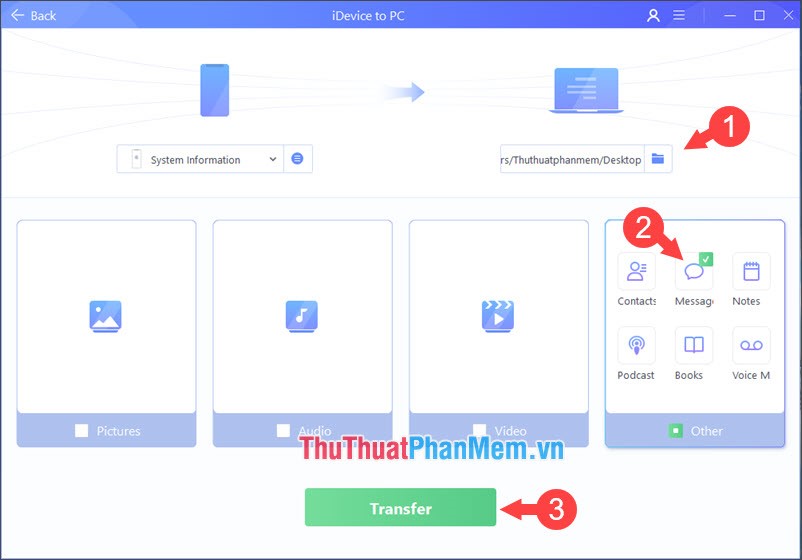
Step 1: After downloading the software, connect iPhone to PC and launch the software. You choose item 1-Click Transfer => iDevice to PC .

Step 2: Click on the image of the folder (1) to choose where to save the file. Deselect unnecessary things and tick Message (2) in the Other section. Then press Transfer (3) to transfer the message to your computer.
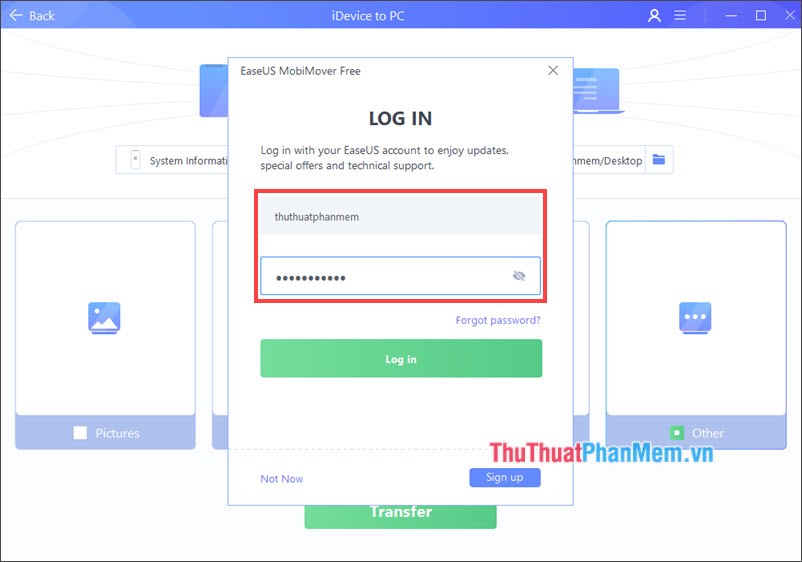
Step 3: Log in to your EaseUS account, if you do not already have an account, you can click Sign Up to register your own account.
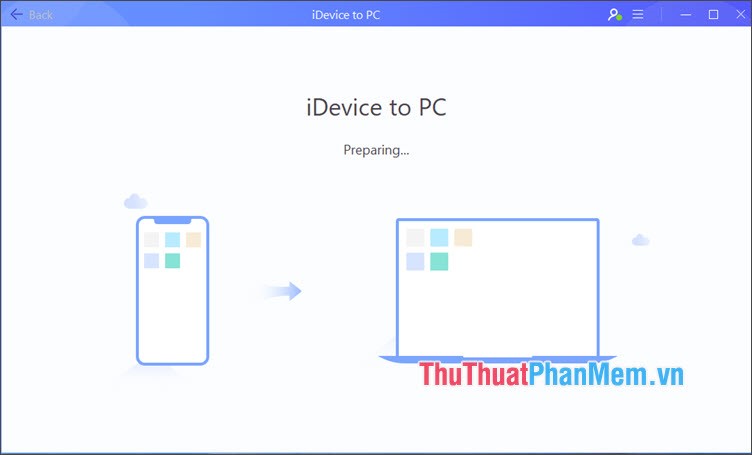
Step 4: We wait for the software to transfer messages from iPhone to PC.
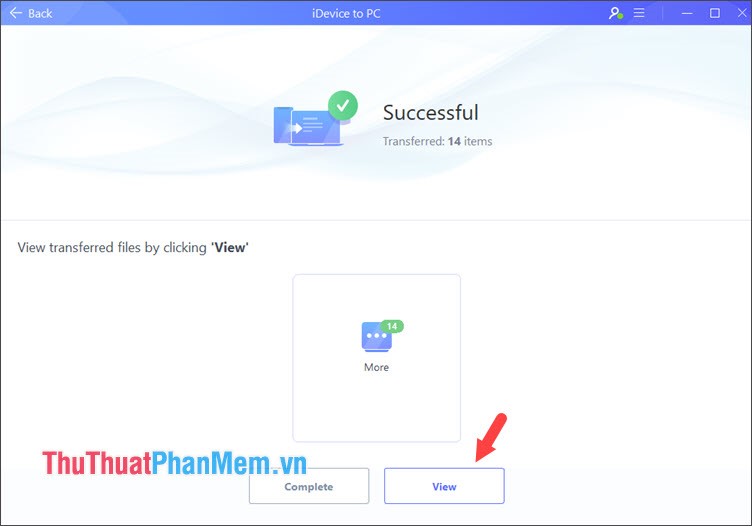
If the Successful message appears, it is successful. You click View to open the folder containing the message saved on the PC.
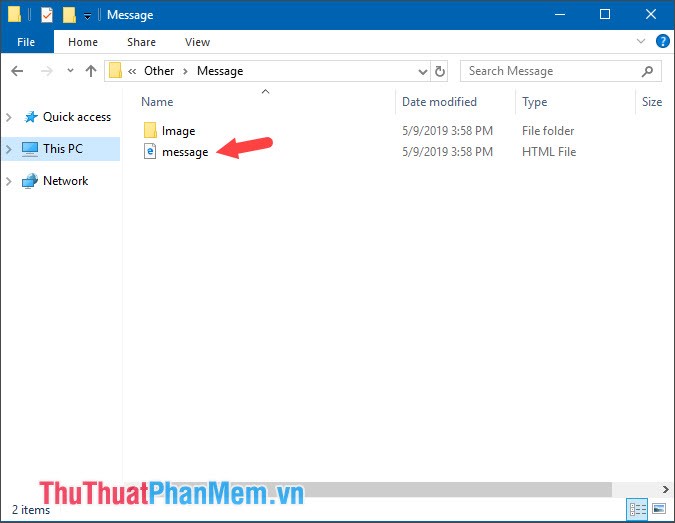
Step 5: In the Backup folder, there is an image folder and a . html file message. We proceed to open that html file in a browser to view the message.
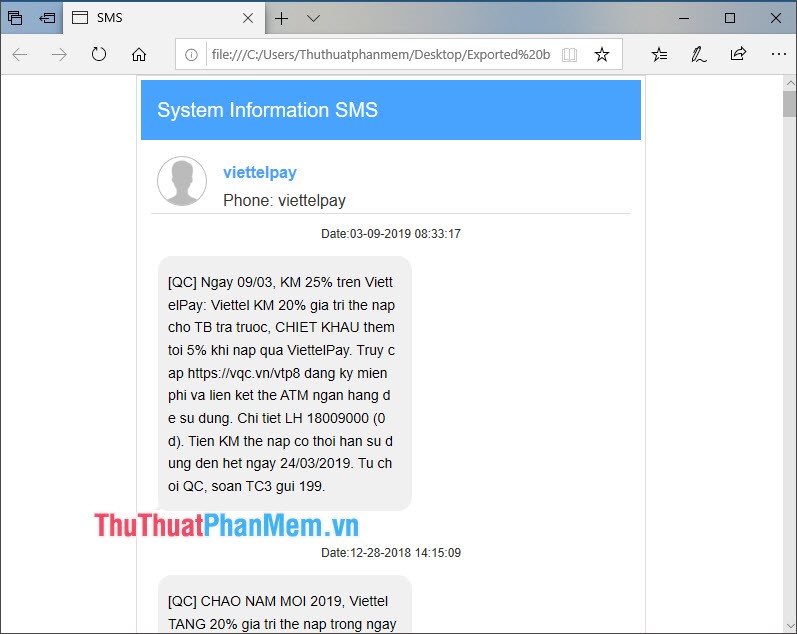
And the result as shown below is successful.
With the sharing tips in the article, we can easily backup messages and sync them on other devices easily. Please visit TipsMake. com regularly to update the latest technology news and tips!
FAQ
What should I know about Backup, Backup iPhone Messages Quickly and Easily?
Focus on the key features, requirements, limitations, and practical use cases explained in this guide.
How do I get the best results with Backup, Backup iPhone Messages Quickly and Easily?
Follow the recommended steps, use current software or information, confirm compatibility, and review settings before major changes.
Are there any risks or limitations?
Potential limitations depend on compatibility, data quality, cost, privacy, support, and how the product or method is used.
Related Articles
 Instructions for Backing up Individual Messages on iPhone5 minutes read
 How to Backup and Restore Messages on Iphone Zalo5 minutes read
 Backup and Read iPhone Messages on Windows and Mac5 minutes read
 Icloud: How to Back up Imessages on Iphone or Ipad4 minutes read
 Save Messages from iPhone to CVS File on Mac OS X5 minutes read
 How to Backup SMS Messages with SMS Backup and Restore7 minutes read
Reader Comments 0
Sign in with email or Google to join the discussion.