Table of Contents
If that power bank could talk, it would probably beg you to stop treating it like this.
You probably have one in your possession right now: A tiny portable charger that keeps you from worrying about your phone dying in public. It's been with you through airports, long bus rides, and power outages. You trust it unconditionally. But if that portable charger could talk, it would probably beg you to stop treating it like this.
To let the backup battery get hot
Temperature is the silent killer
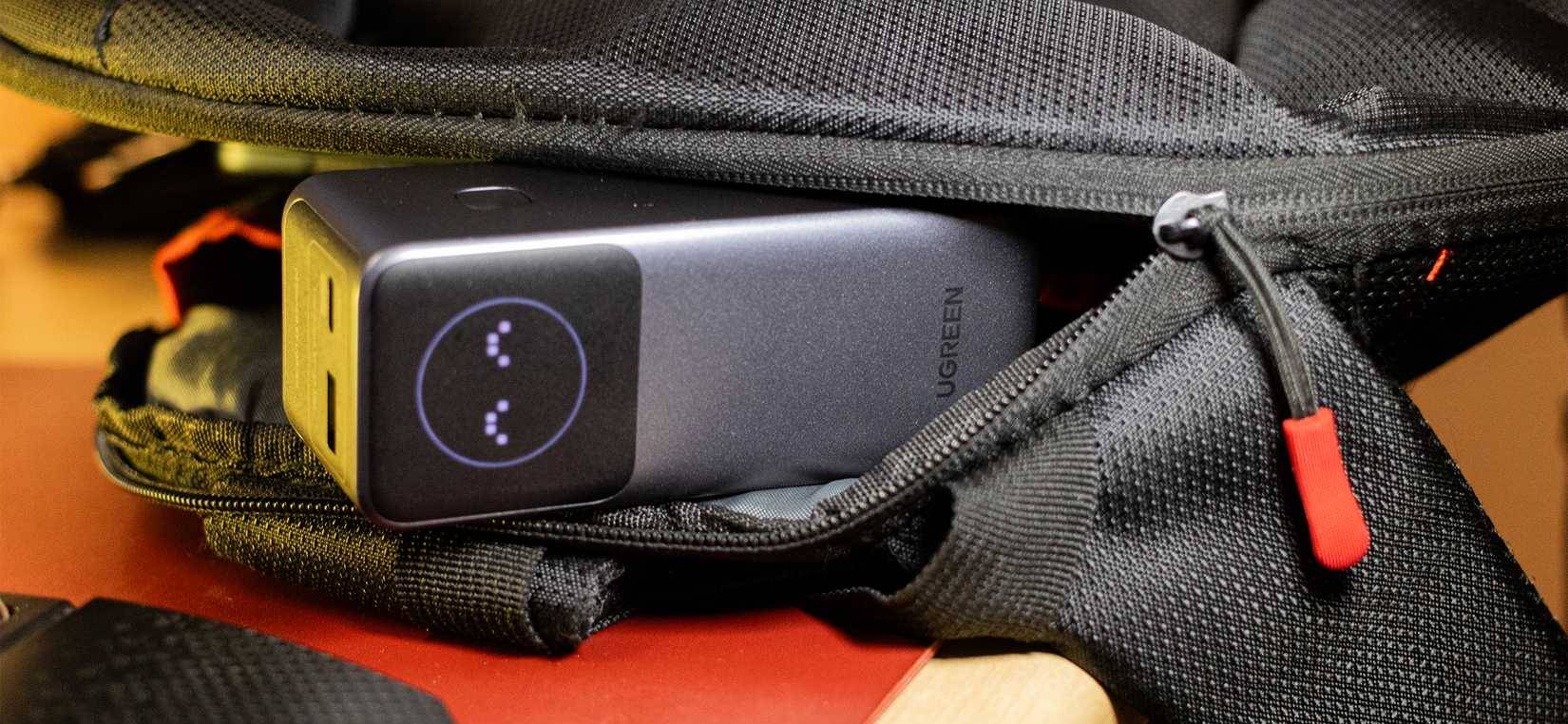
It's easy to think that tossing a power bank into the glove compartment or leaving it on the dashboard for a while won't cause any harm. But when batteries start to lose charge faster than usual, heat is almost always the culprit. When lithium batteries get too hot, the chemical components inside start to break down more quickly. (Belkin recalled one of its BoostCharge Pro models in late 2024 after heat issues emerged, which were closely related to the severity of the heat.) Side reactions happen faster, the electrolyte can break down, electrode materials weaken, and internal resistance increases. Over time, these invisible changes reduce the battery's capacity, causing it to swell and shorten its lifespan.
Charge to 100%
Then forget it's there
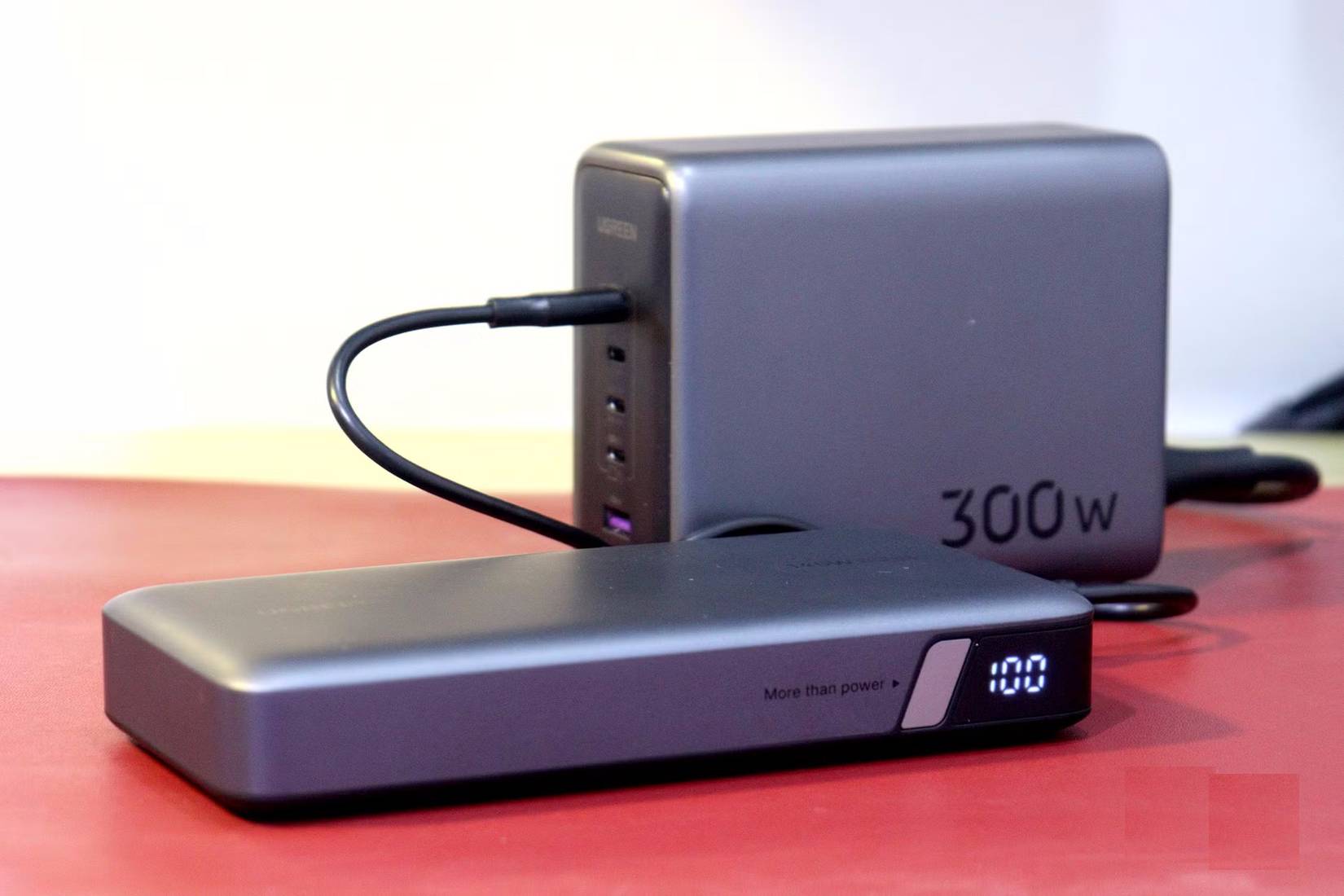
It's natural to love seeing the glowing '100%' light on your power bank, but leaving it there all day will quickly wear it out. When a lithium battery is fully charged, its voltage fluctuates at an upper limit, keeping the chemical reactions inside under constant stress. Even with built-in overcharging protections, trickle charging creates a constant, subtle pressure that slowly reduces capacity and accelerates aging.
Discharge the battery to 0 level
Or continuously use the battery until it is exhausted
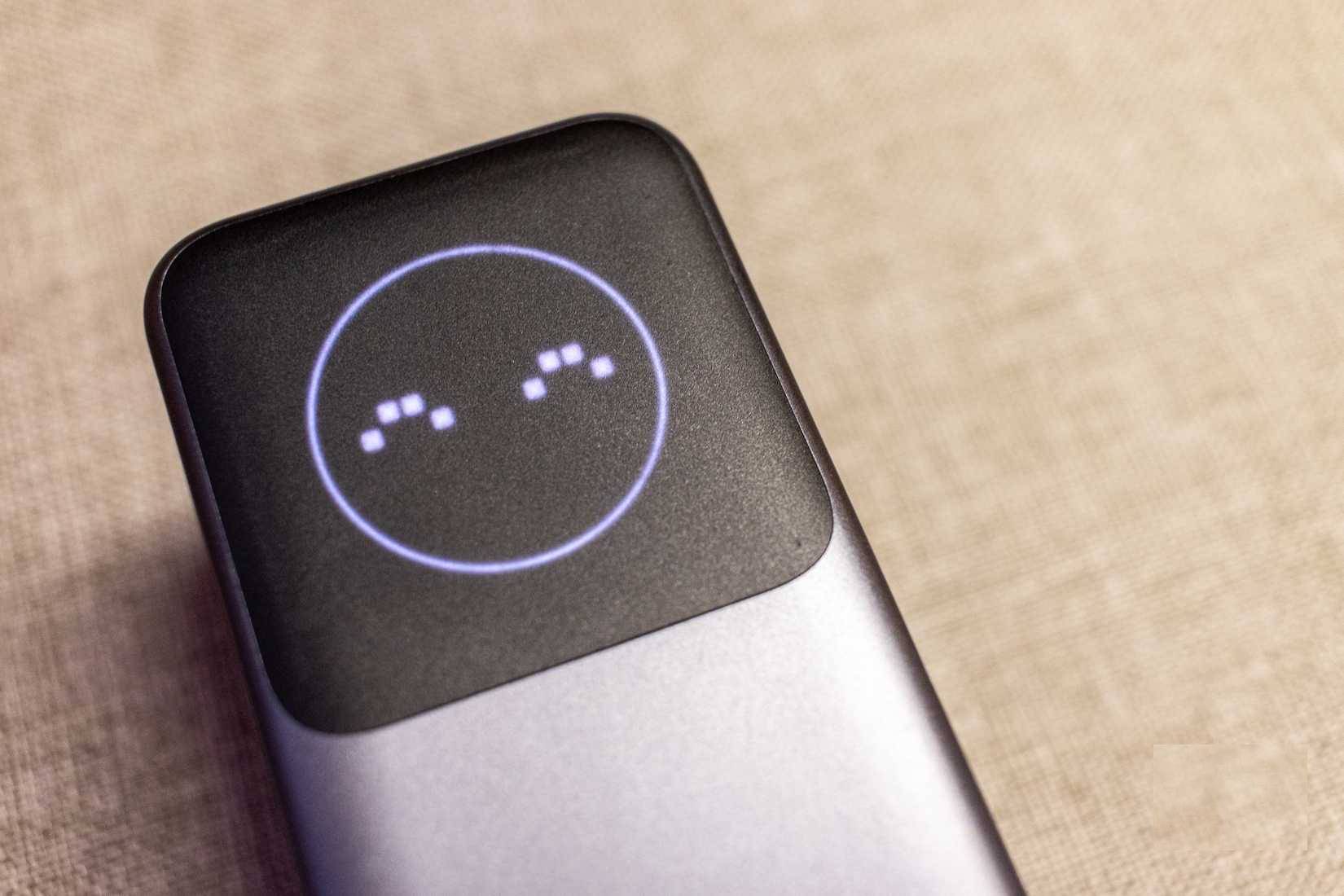
On the other hand, it is very common to drain your backup battery to absolute zero before plugging it back in. This type of draining will cause lithium batteries to wear out quickly. Every time the battery hits bottom, the chemicals in the battery have to work at full capacity to recover, and that pressure silently reduces the battery's lifespan.
Using cheap, uncertified chargers or charging cables
Consider carefully what type of charger you are using.
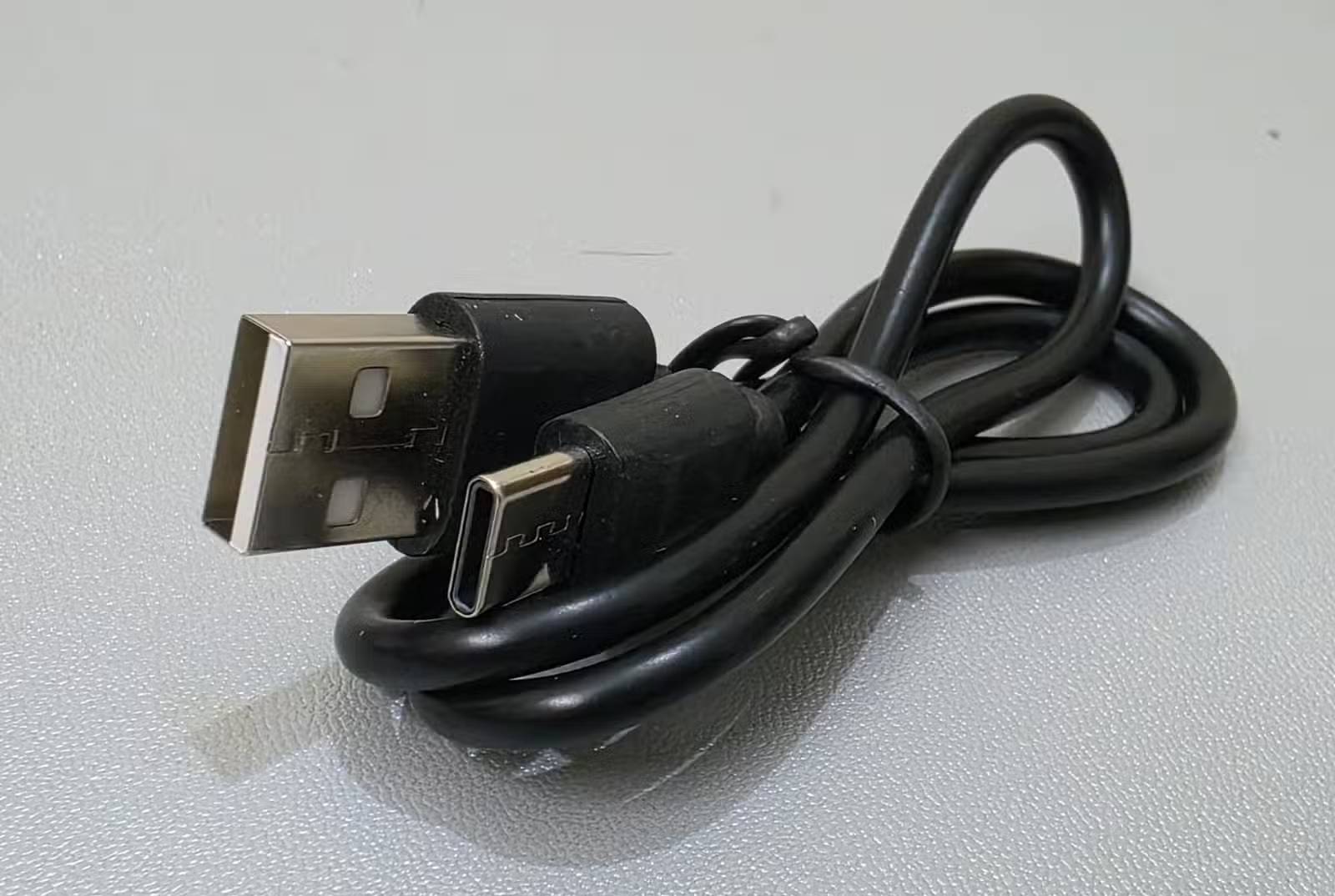
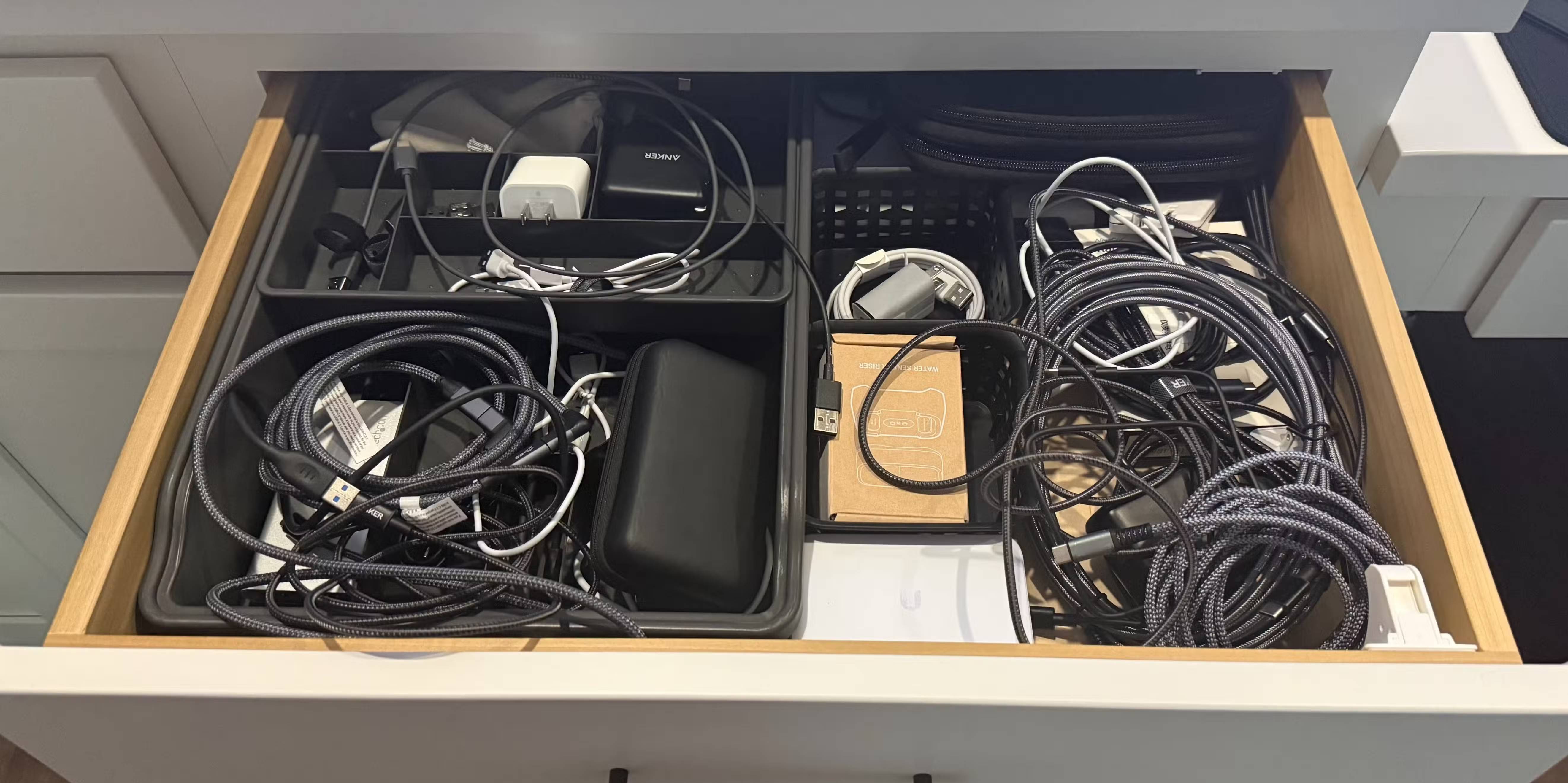
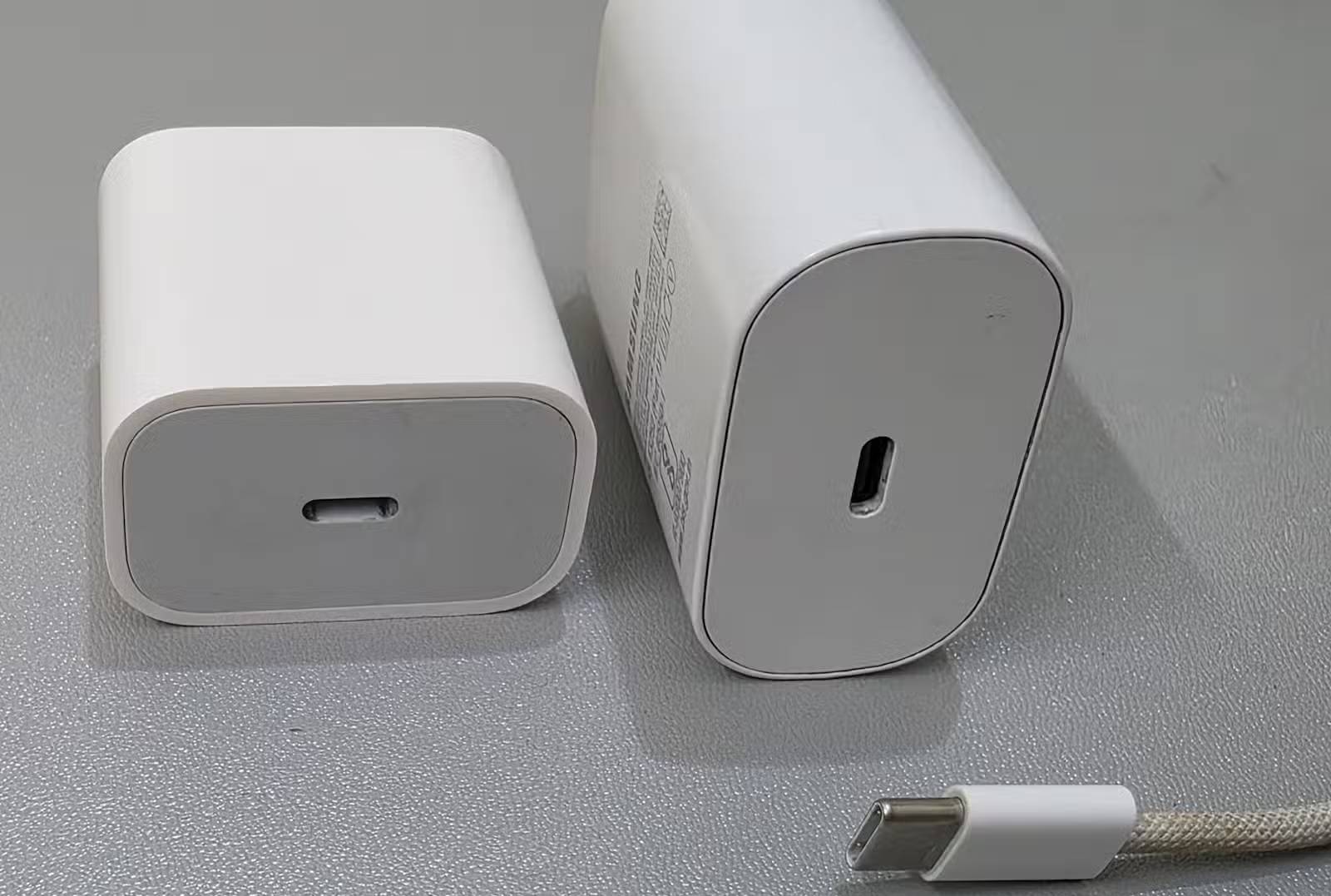
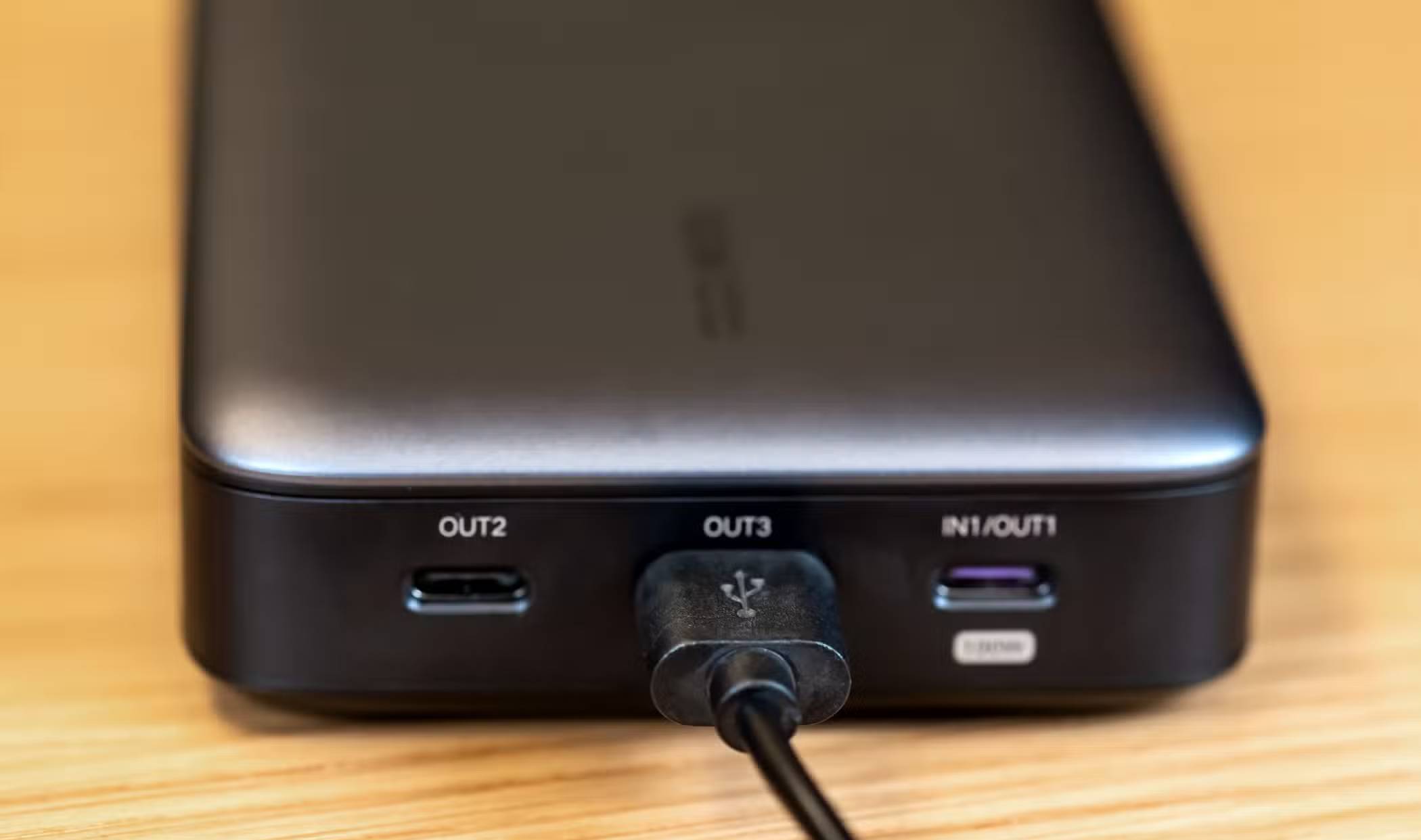
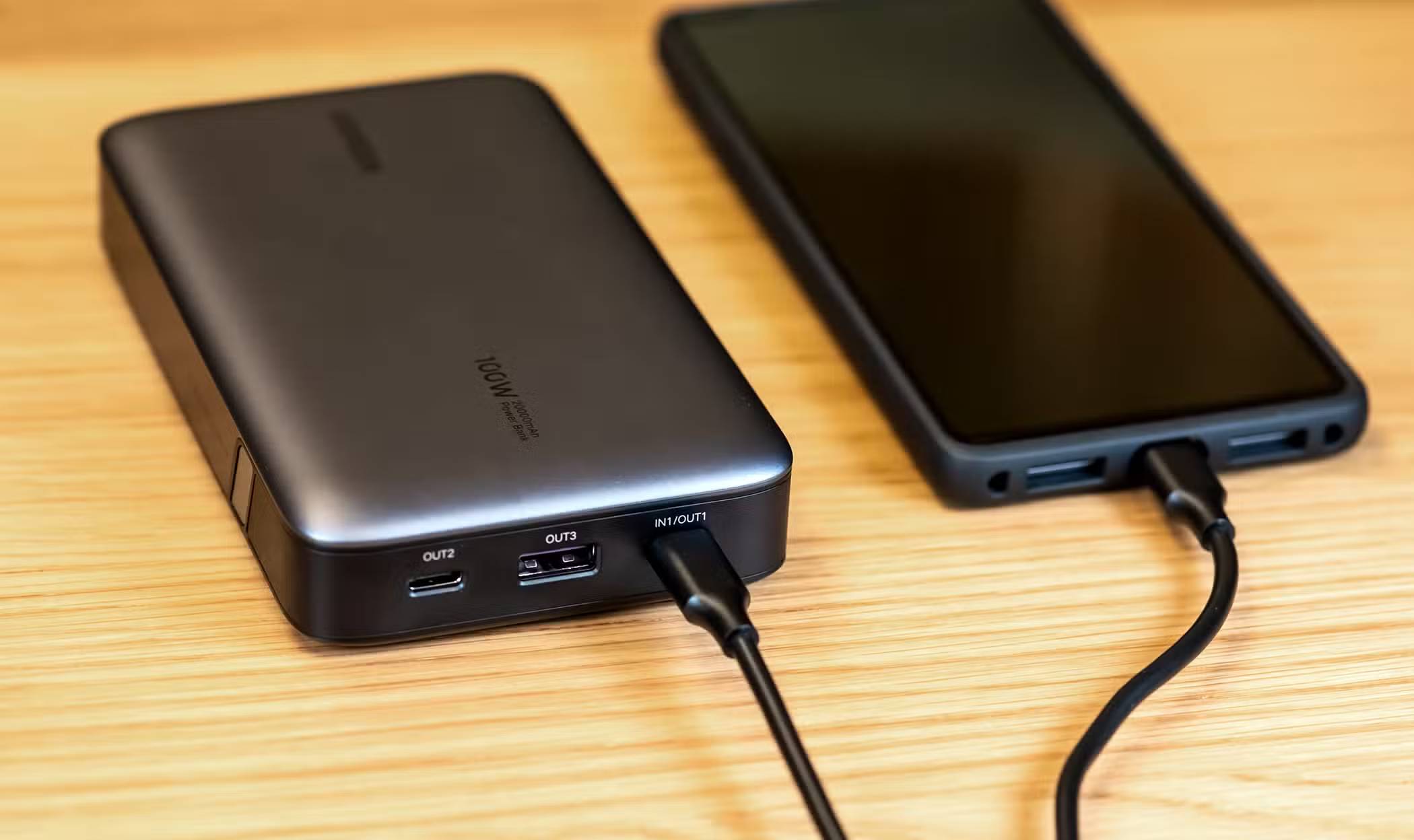
The cheap USB cable or charger you bought at the gas station could be silently sabotaging the battery in your power bank. Such cheap charging accessories often omit basic features like voltage regulation, temperature control, and overcurrent protection that keep batteries safe and stable. That means the power bank can get dirty, its current can fluctuate, and its tiny protection circuitry has to work overtime to keep up. Even EcoFlow warns that 'a cheap, frayed, or uncertified cable can undermine all the advanced safety features of a good power bank,' opening the door to voltage fluctuations or short circuits.
To damage the battery
The effects of every drop, bump and spill add up.
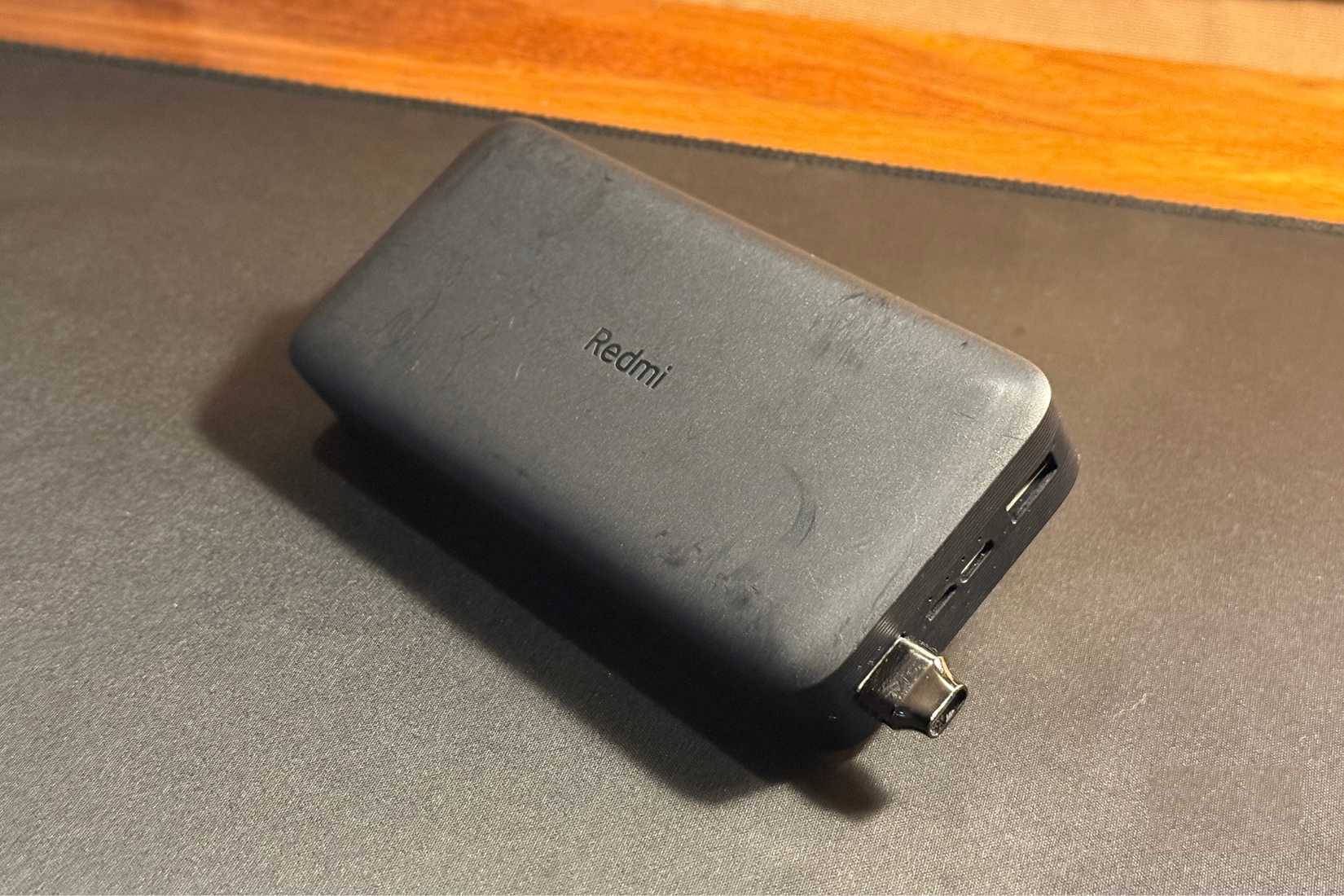
A minor bump or a careless drop may seem harmless, but lithium batteries are not. Physical impacts can tear internal layers, short out protective circuits, or weaken moisture-sealing seals. Even if a power bank looks fine on the outside, hidden damage can silently build up pressure until it swells or overheats.
Most power banks are not waterproof, so even a little liquid can cause a short circuit, corrode the circuitry, or damage internal components. Charging a battery while it is still wet increases the risk of sparks or, in the worst case, cause uncontrolled heating of the lithium cells.
Charge and discharge simultaneously
Do not use backup battery and charger at the same time
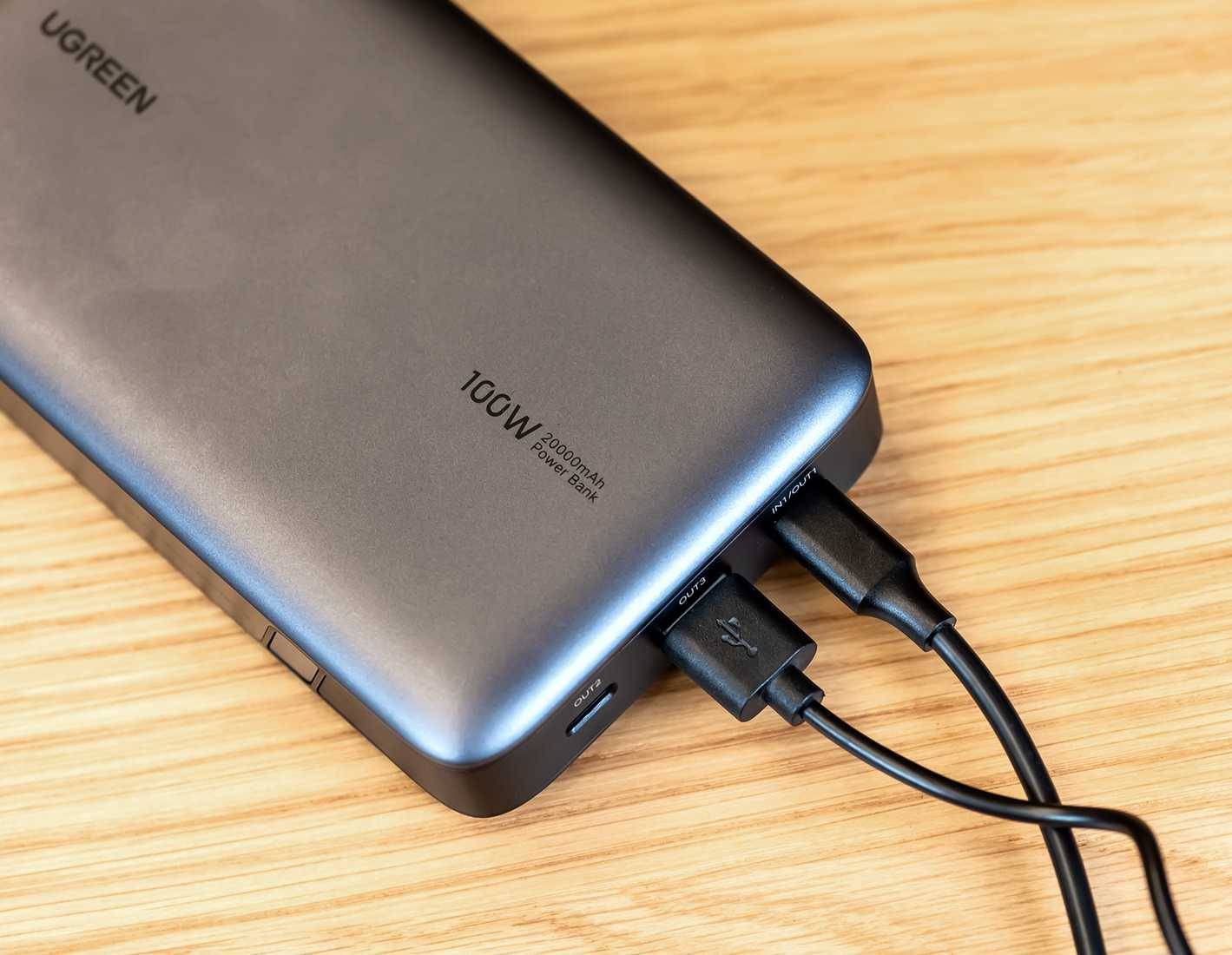
Pass-through charging (powering your phone while the power bank is plugged in) may seem efficient, but it can put a strain on the circuitry. The power bank's control board has to handle charging and discharging simultaneously, creating a heat pocket inside. High-end designs handle this very well; low-cost ones don't.
If your power bank gets hotter than normal when performing both functions, it's safer to fully charge the battery before using it to power devices. If you really need a power adapter for devices like a Raspberry Pi or camera, choose a model that's specifically designed for that purpose. They'll route the power to the device first and only charge the battery with the rest, reducing the stress on the cells.
FAQ
What should you know about the options in this guide?
In practical terms, if that power bank could talk, it would probably beg you to stop treating it like this.
Which option is the best choice?
The best choice depends on your priorities, compatibility, budget, and the specific features discussed in the comparison.
What should you compare before deciding?
Compare core features, limitations, ease of use, compatibility, and long-term value before making a decision.
Related Articles
 15 Useful Inventions to Make Things Easier: Mini Irons4 minutes read
 Backup Battery Charger: Top 16 Best Backup Chargers 201913 minutes read
 Top 7 Best Power Banks 2025: Guide12 minutes read
 Why Your Phone Charger Is Slowing Things Down: Key Reasons Explained7 minutes read
 Can Laptops and Laptop Chargers Be Checked In? Regulations5 minutes read
 Things to Know About Backing up Your Iphone and Ipad7 minutes read
Reader Comments 0
Sign in with email or Google to join the discussion.