Table of Contents
Start with Windows' built-in uninstall option: open Settings > Apps > Installed apps, select the program, and choose Uninstall. Older Windows versions may use Control Panel > Programs and Features. A third-party uninstaller is usually unnecessary for a program that removes normally.





When an app will not uninstall
- Restart Windows and try the built-in uninstaller again.
- Check the software publisher's support page for its removal or cleanup utility.
- For a Microsoft Store app, use its app settings or reinstall it from the Store before trying to remove it again.
- If the program is managed by work or school, contact the administrator.
Some uninstallers offer to remove leftover files or registry entries. Review each item carefully and create a restore point or backup before making broad system changes. Deleting a registry entry or shared file can break another program. Do not use “force remove” tools on drivers, security software, or system components unless the vendor provides that procedure.
About third-party uninstallers
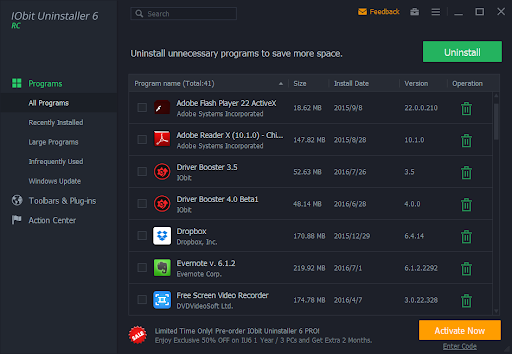
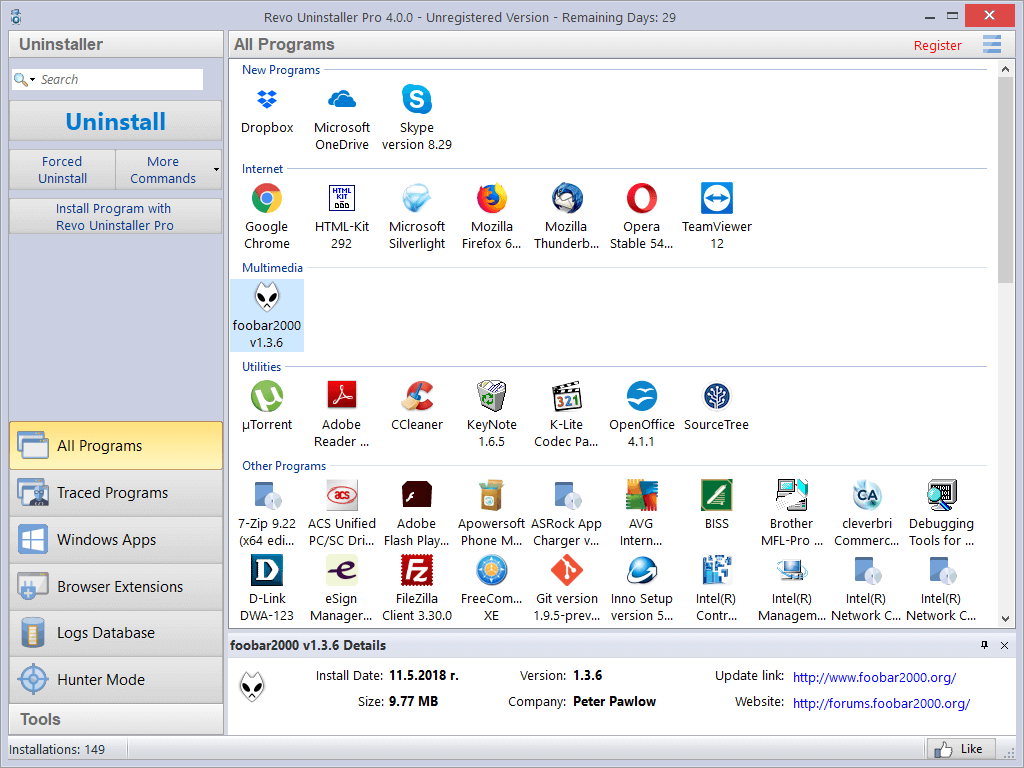
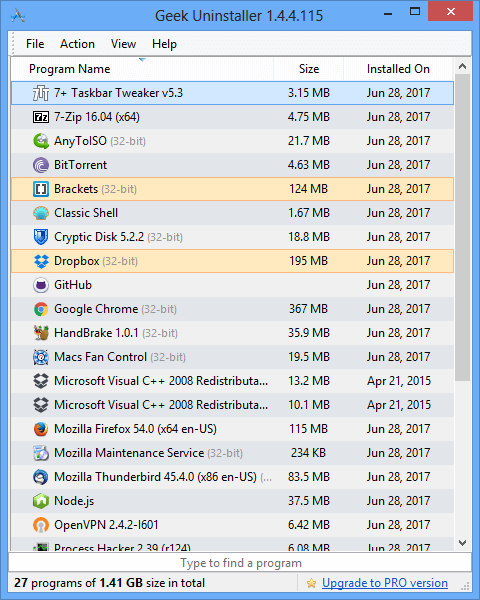
The original article lists Your Uninstaller, CCleaner, IObit Uninstaller, Revo Uninstaller, and Geek Uninstaller. Product versions, pricing, and features change; the screenshots are historical and are not a current ranking or endorsement. Before installing any utility, download it only from its publisher, review bundled offers and permissions, and check that it supports your Windows version.
Removing programs does not automatically make a PC faster. Uninstall software you no longer use, and avoid registry cleaners that promise guaranteed performance gains.
Related Articles
 How to Remove Stubborn Windows Programs with Your Uninstaller
 How to use Your Uninstaller to completely remove software - Delete 'stubborn' applications
 Remove 'root' programs that haven't been uninstalled completely on Windows 7, XP
 How to use Your Uninstaller to remove software completely
 7 Ways to Completely Remove Software on Windows 10 and 7
 How to use Smarty Uninstaller to remove software completely on Windows
Reader Comments 0
Sign in with email or Google to join the discussion.