Table of Contents
This guide provides a practical overview of Protect Safety Information, including its main features, benefits, limitations, and important considerations.
To understand the above problem, one needs to understand the following questions:
1. Why is it necessary to protect information.

- Your information and all other computers are always in danger. There are many people trying to get into computers for personal gain or some other purpose. Forms of threats to your computer include:
+ Virus: A software or piece of code that has the ability to replicate itself, causing the virus to spread to many different computers through attaching it to a file or a program.
+ Worm: The software works based on self-replicating and sending its copy over the network, it does not harm the computer but is an intermediary for other virus software to attack your computer.
+ Trojan horse: An intermediary software paving the way for other software to attack the computer.
+ Spyware: Software that collects personal information through your computer, they can change the system settings. Often the computer is infected with Spyware when visiting untrusted websites.
+ Phishing: This is a method of phishing account information via email. However, Outlook 2013 has integrated anti- phishing system .
2. Sources of infection undermine your information.
- Sources of infection include: Virus, Worm, Phishing, Trojan Horse.
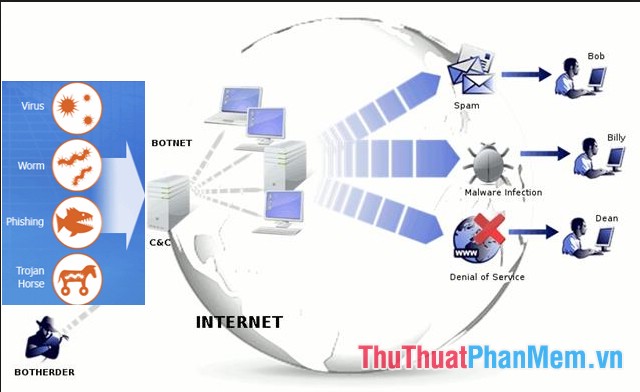
- Mode of infection: Via computer networks, data exchange devices, shared files.
3. Use Microsoft Update to limit risks.
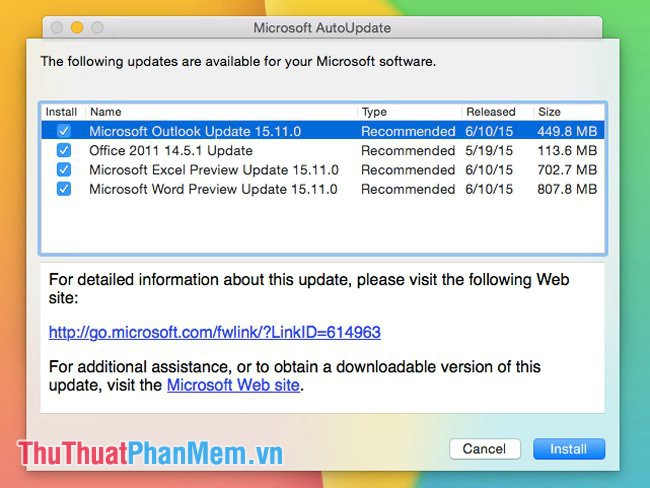
The best way to ensure information security on your computer is to regularly update new versions of Office to combat the current threat. You should always visit the Microsoft update page to update both Window and Office. Also can set Microsoft Update to automatically update the versions.
4. Using anti-virus software.

- The best way to ensure information security for your computer is to install an anti-virus software on your computer. Ensure antivirus software is regularly updated.
5. Other security settings protect your information.
- In addition to the above, there are ways to enhance information security on your computer:
+ Install anti-virus and spyware programs on your computer.
+ Use complex passwords in your account and protect data files.
+ Install Firewall firewall for computers to control information flow.
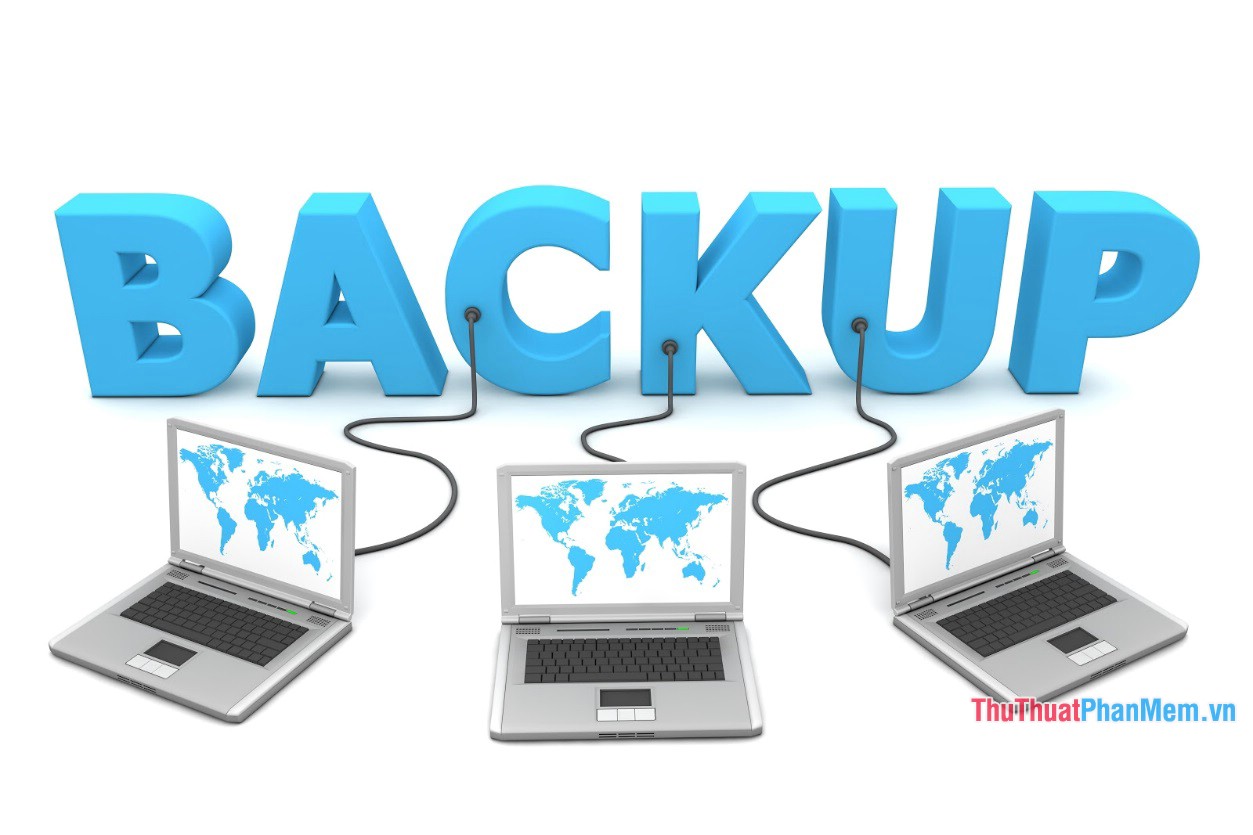
+ Regularly back up important data.
6. Prevent viruses when opening emails.

Even if you have anti-virus software installed on your computer, a new virus can invade and steal your information. Especially with an infected virus attachment sent in the email, you just need to open that file accidentally causing the virus to randomly intrude into your computer. Therefore, you should carefully watch the contents of email, attachments. before deciding to open it.
The above is a detailed introduction of how to protect information security in Excel 2013.
Good luck!
FAQ
What should I know about Protect Safety Information?
Focus on the key features, requirements, limitations, and practical use cases explained in this guide.
How do I get the best results with Protect Safety Information?
Follow the recommended steps, use current software or information, confirm compatibility, and review settings before major changes.
Are there any risks or limitations?
Potential limitations depend on compatibility, data quality, cost, privacy, support, and how the product or method is used.
Related Articles
 How to Protect Spreadsheets in Excel3 minutes read
 How to Set Excel Password to Secure Data File8 minutes read
 8 Ways to Protect Simple Digital Personal Information3 minutes read
 How to Set, Reset, Remove and Recover the Password of Excel Files3 minutes read
 Set Up Personal Safety Information on Android: Step-by-Step Guide4 minutes read
 How to Protect Your Computer: Clear Instructions14 minutes read
Reader Comments 0
Sign in with email or Google to join the discussion.