Table of Contents
This updated guide examines 8 Ways to Protect Simple Digital Personal Information and organizes the essential facts, background, and practical takeaways in clear American English.
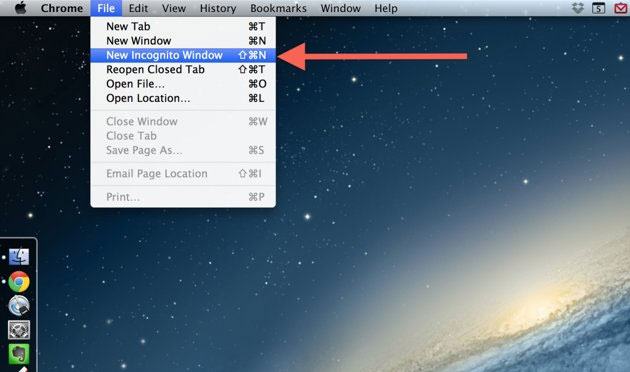
When using pay-related features through websites, users should turn on "Incognito mode" or "Private Browsing" so that the browser does not save important passwords into memory. After exiting the browser, all user information will not be saved to the browser.

Always set a password for your mobile devices to prevent unnecessary " hands-on" situations .
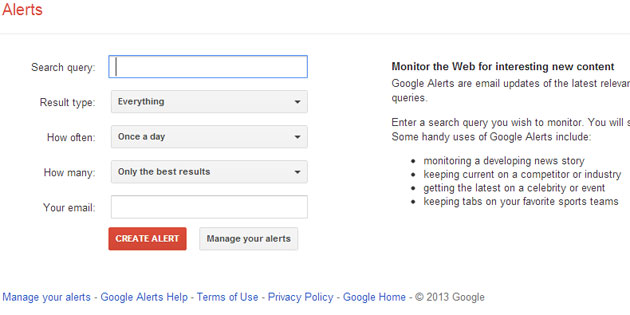
Set the mode to notify others to find information about you on Google. To use this service, please log in to this site . If you want Google to correctly identify your name, put it in quotation marks.
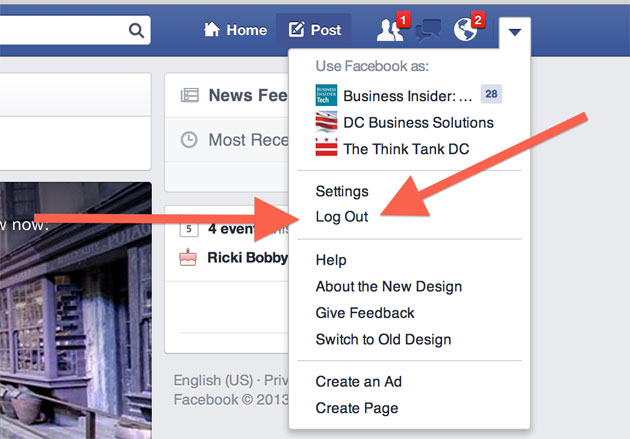
Get into the habit of logging out of services like Facebook, Gmail, Twitter and other social networks after use. As a result, you will avoid people who accidentally use your account.
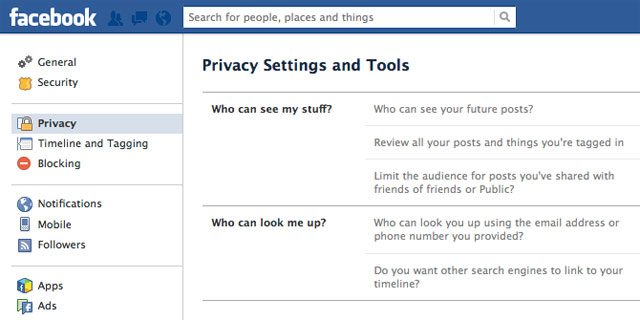
You also need to check security features on social networks regularly because these services change periodically.
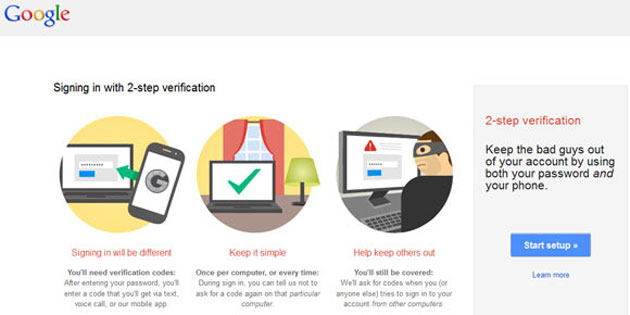
For the Gmail service, use the two-tier password feature. As a result, those who want to log in to your account need to have a confirmation code sent by Google to their master phone. To activate this feature, in the Gmail interface, select Settings> Accounts> Change account settings> Other Google Account settings> Security> 2-step verification> Edit.
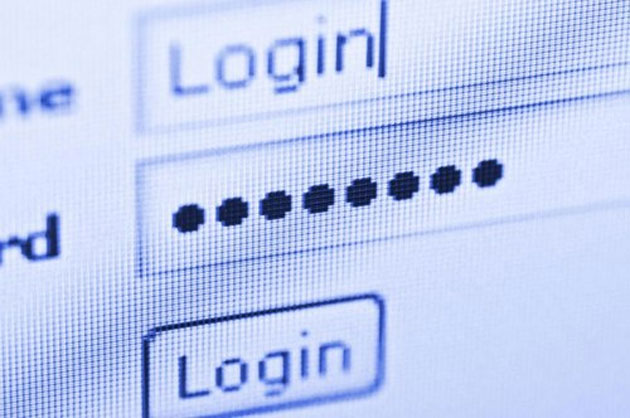
Use complex passwords, including uppercase letters and numbers.
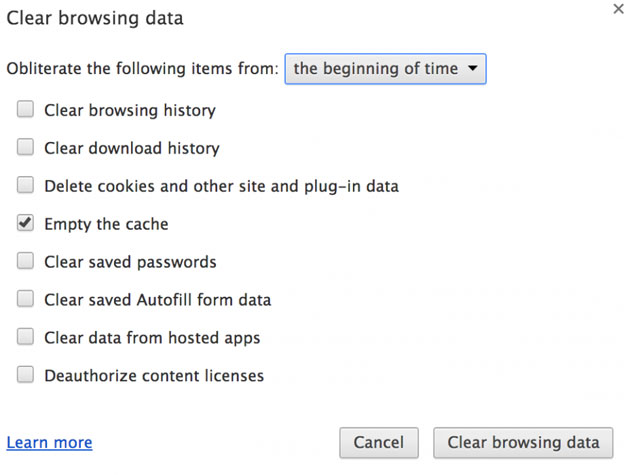
Regularly clear the cache and browse the internet in the browser periodically. This helps you avoid computer users from tracking their activities on the Internet.
FAQ
What is 8 Ways to Protect Simple Digital Personal Information about?
It provides a structured overview of Protect personal information, explains the main context, and highlights practical takeaways for readers.
Why does this topic matter?
Understanding the main concepts helps readers evaluate the issue, avoid common mistakes, and make better-informed decisions.
How should readers use this information?
Use the guidance as a practical starting point, confirm details that may have changed, and follow current product, safety, or security recommendations.
Related Articles
 10 Tips for Securing Your Personal Information on the7 minutes read
 Some Ways to Protect Personal Information Should Be Known and9 minutes read
 Personal Information: Delete Your Tracks on the Web9 minutes read
 Delete Personal Information Online11 minutes read
 How to Remove Personal Information from a Word Document4 minutes read
 10 Ways to Hide Personal Content on iPhone8 minutes read
Reader Comments 0
Sign in with email or Google to join the discussion.