Table of Contents
This guide explains how to name, Comment and Protect Cells in Excel, with clear steps, practical tips, and important checks before you begin.
1. Name the data cell.
- Normally, the data cell with the default name is the combination of the column and row order that makes up the cell. For example, cell B5 is named B5.
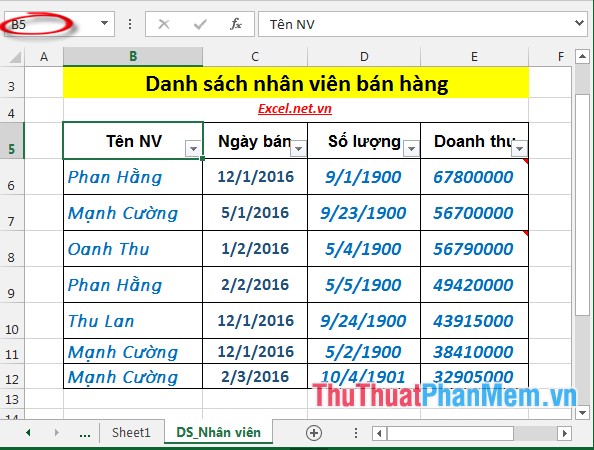
- To change the name of a cell, do as follows:
+ Click on the cell to be named -> in the formula bar enter the name in the Name Box field -> press Enter -> so the cell has been named:

2. Add notes to the data box.
Step 1: Click on the box you want to add notes -> Review -> New Comment:

Step 2: A TextBox appears entering the text of the note:

- Cells with notes usually have small red triangle in the top right corner of the cell:

- When you move to the cell containing the note -> it is displayed:
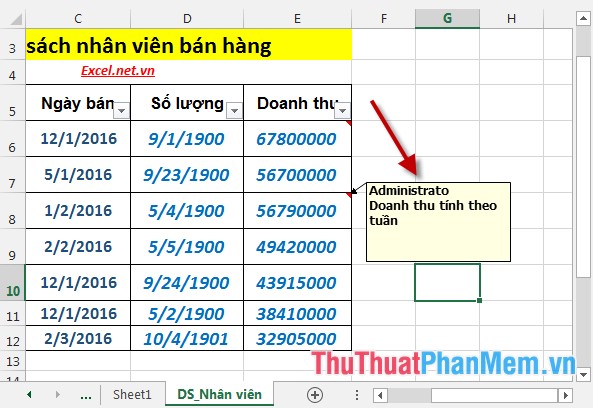
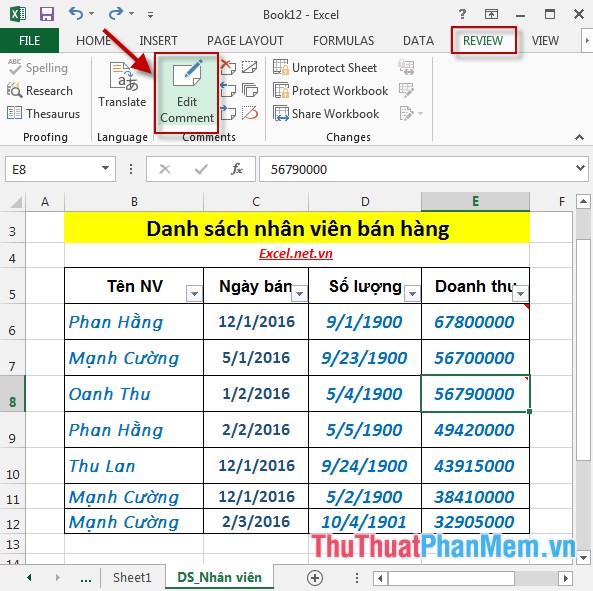
- In case you want to edit the note, do the following: Click on the cell containing the note -> Review -> Edit Comment:
- After entering the note content, the results will be:
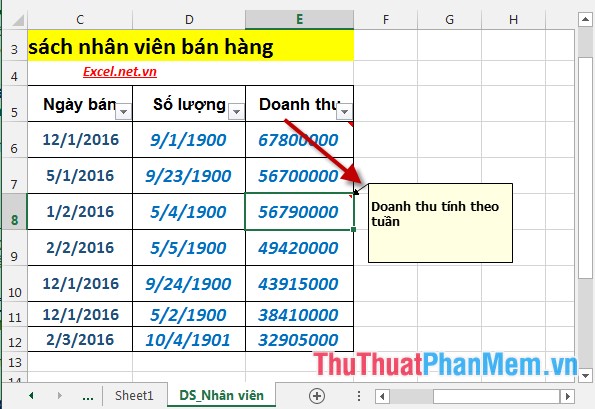
3. Protect data cells.
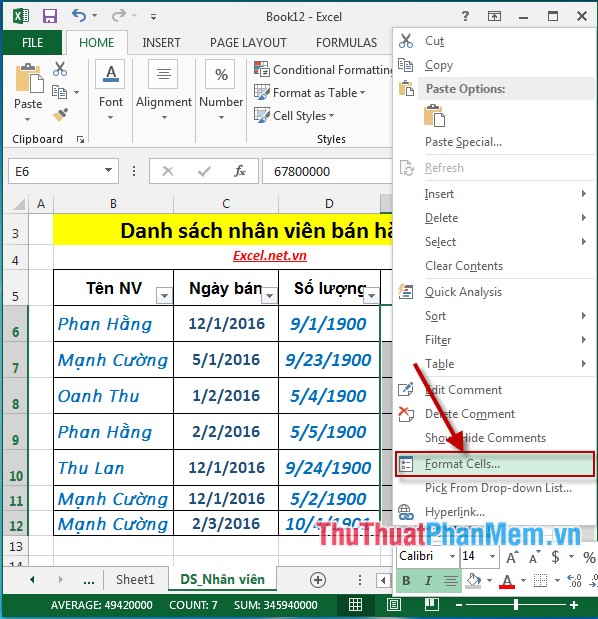
Step 1: Right-click the cell to be protected -> Format Cells:
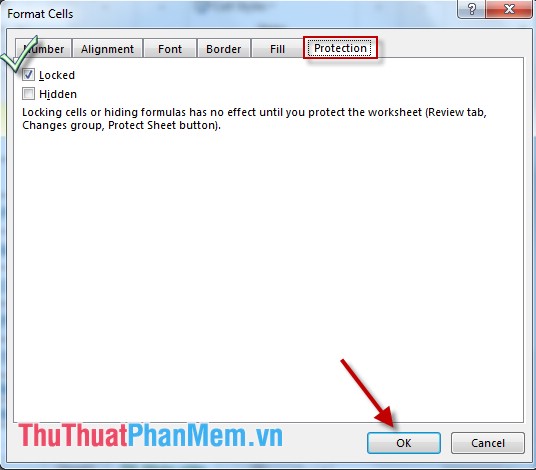
Step 2: The Format Cells dialog box appears -> select Tab Protection -> select Locked:
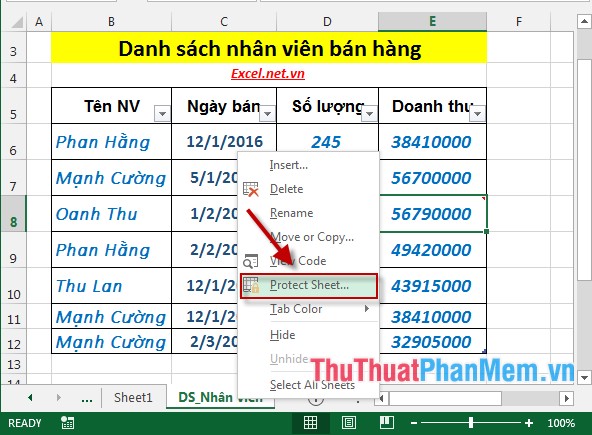
Step 3: Right-click the sheet name -> Protect Sheet to set password protection:
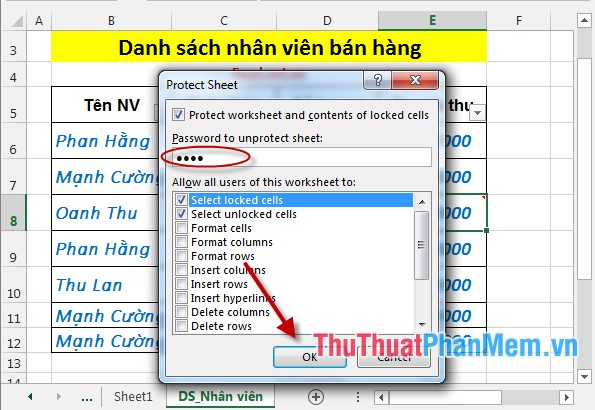
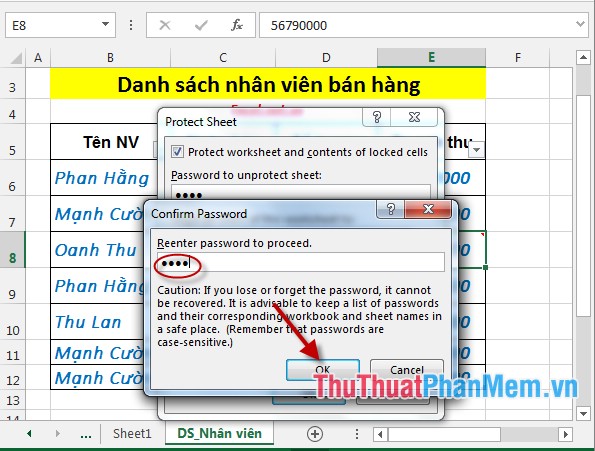
Step 4: A dialog box appears enter the password in the Password to unprotect sheet, can choose to add some features for users in the Allow all users of this worksheet to section -> select OK:
Step 5: A dialog box appears asking for password again -> retype the correct password -> click OK to finish.
- After setting protection, click the protected data box to edit the data -> Excel gives the following notice:
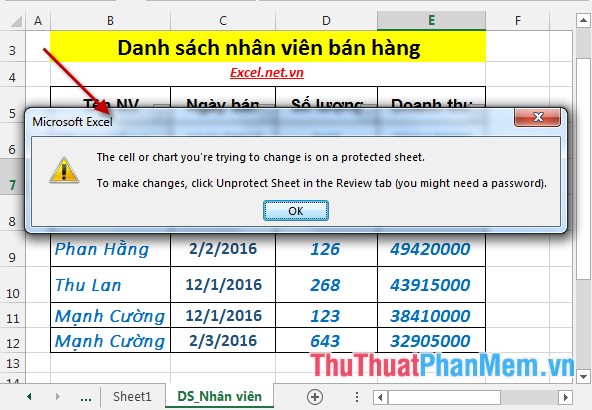
So your data is protected.
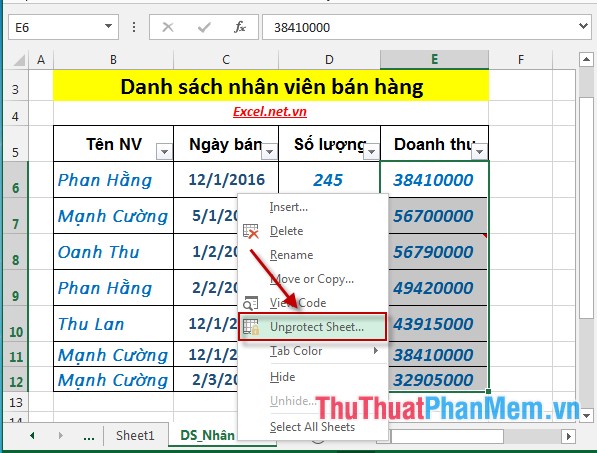
- In case you want to edit the data -> Unprotect data on the sheet by:
+ Right-click on the sheet name -> Unprotect sheet:
+ Enter the password you have set -> click OK.
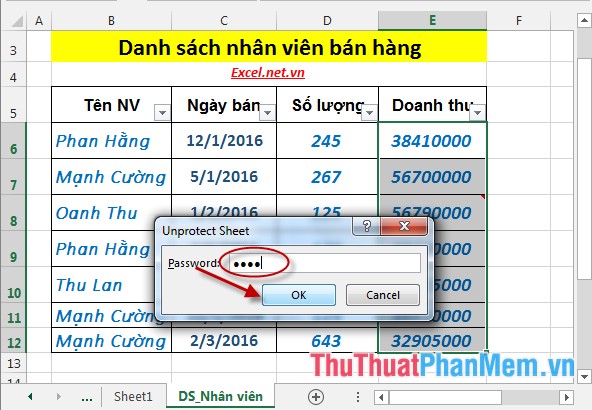
- After clicking OK you can edit your data arbitrary.
Above is a detailed guide on naming, annotating and protecting data cells in Excel 2013.
Good luck!
FAQ
What should I know about Name, Comment and Protect Cells?
Focus on the key features, requirements, limitations, and practical use cases explained in this guide.
How do I get the best results with Name, Comment and Protect Cells?
Follow the recommended steps, use current software or information, confirm compatibility, and review settings before major changes.
Are there any risks or limitations?
Potential limitations depend on compatibility, data quality, cost, privacy, support, and how the product or method is used.
Related Articles
 How to Delete Cells in Excel4 minutes read
 Merge Cells in Excel: Complete Overview9 minutes read
 How to Insert Pictures Into an Excel Comment Box3 minutes read
 Excel Formulas: How to Color Formula Cells in Excel Automatically3 minutes read
 Complete Tutorial of Excel 2016 (Part 5): Basics of Cells and Ranges11 minutes read
 Lock Cells with Formulas in Excel - Lock and Protect Cells3 minutes read
Reader Comments 0
Sign in with email or Google to join the discussion.