Table of Contents
In Settings > System > Display, select the affected monitor and return Display resolution and Scale to the values marked Recommended. Windows has separate controls for refresh rate, HDR, and color filters, so fix the setting that matches your symptom.
Restore resolution, scale, and orientation
Press Windows+I and go to System > Display. With multiple displays, use Identify before selecting the affected one. If the image is blurry or stretched, set the recommended resolution. If menus and text are too small or too large, adjust Scale. If the image is sideways, check Display orientation.

If the screen goes blank after a change that offers a confirmation countdown, wait for Windows to revert it. See Microsoft’s display resolution guide for the standard controls.
Check refresh rate and color
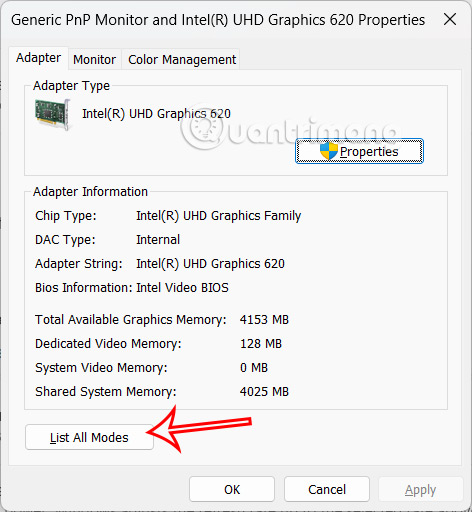
Open Advanced display, select the proper monitor, and choose a supported refresh rate. If the main controls don’t show an expected mode, the adapter properties may offer List All Modes. Keep the resolution and refresh rate within the monitor’s documented support.



If colors suddenly look wrong, check Night light, HDR, and Settings > Accessibility > Color filters. If you changed settings in a graphics vendor’s control panel, restore the relevant color or scaling settings there. For color work, see how screen color correction works.
Check the driver only if expected modes are missing
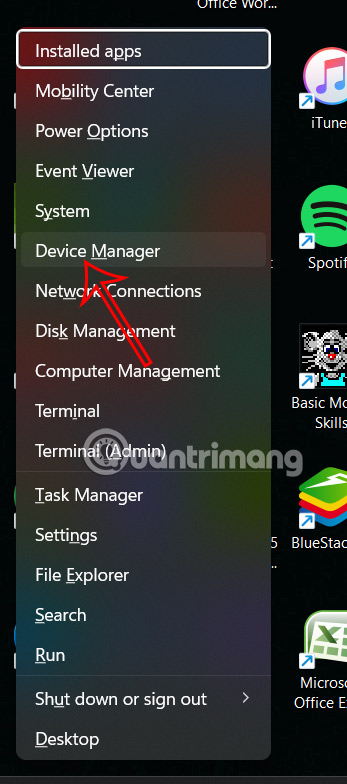
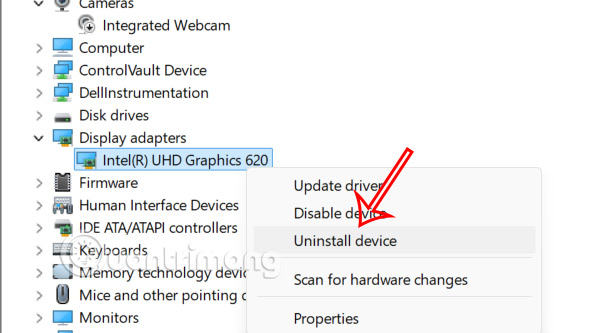
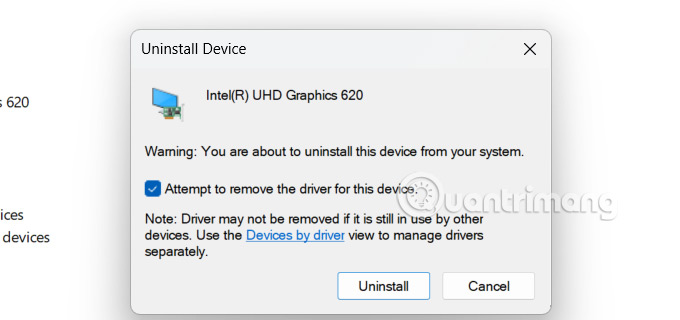
If a supported resolution has disappeared, try a known-good cable or port before changing drivers. Open Device Manager > Display adapters and check which adapter Windows sees. If the problem began right after an update, check whether Properties > Driver > Roll Back Driver is available. For a reinstall, get the correct driver from the computer or GPU manufacturer first. Removing the driver package can temporarily leave Windows using a basic display driver.
Related Articles
 10 ways to open Display Settings in Windows 11
 Backup and Restore Wifi settings in Windows 7
 How to back up and restore Photos application settings in Windows 10
 Instructions to restore Windows 10 to the newly installed state
 How to reset Windows 11, restore original Windows 11 settings
 Configure the System Restore feature in Windows 10
Reader Comments 0
Sign in with email or Google to join the discussion.