Table of Contents
This guide explains how to control iPhone Without Touching the Screen in iOS 14, with clear steps, practical tips, and important checks before you begin.
Back Tap is available on iPhone 8, iPhone 8 Plus, iPhone X, iPhone XS, iPhone XS Max, iPhone XR, iPhone 11, iPhone 11 Pro, and iPhone 11 Pro Max. Here's how to use it:
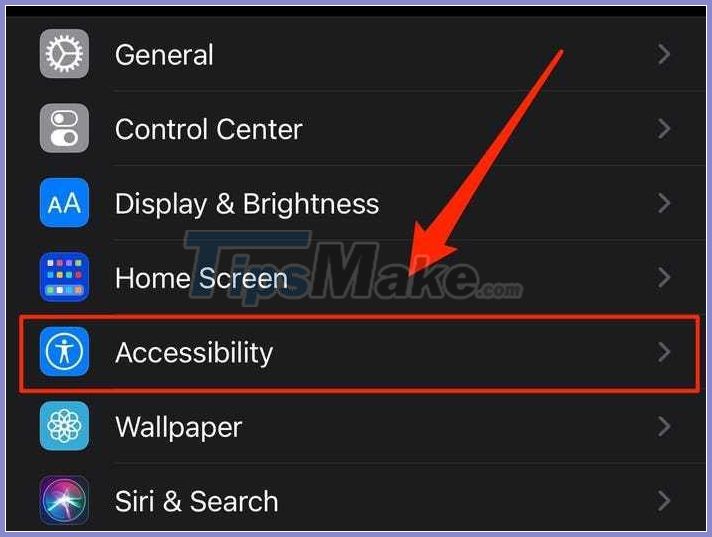
First, open the iPhone settings app and select Accessibility.
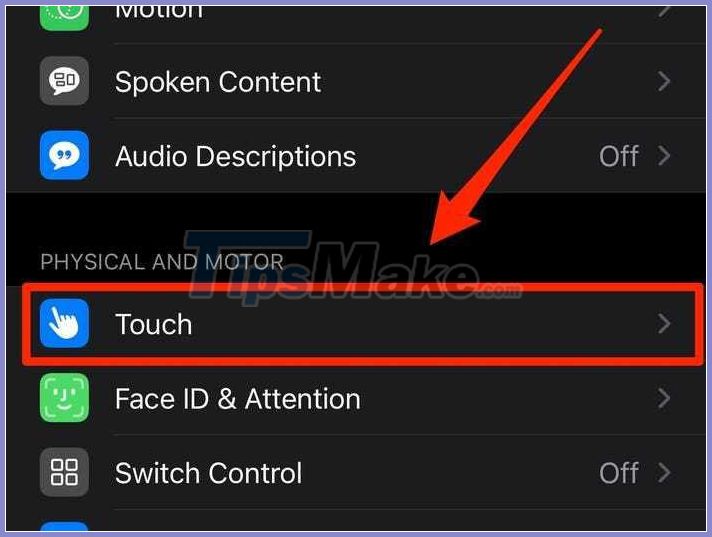
Select Touch.
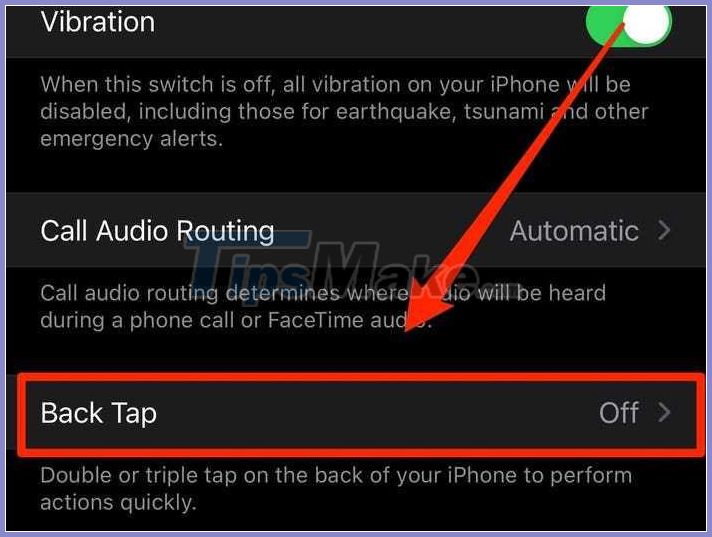
Scroll down, select Back Tap.

Choose double or triple tap on the back of iPhone to activate Back Tap.

Select the task you want to activate when using Back Tap.
As the screen above, there are many commands you can use via Back Tap, such as calling Siri, taking a screenshot, increasing or decreasing the volume, returning to the home screen.
iOS 14 for download from yesterday, September 17. To update iOS 14, on iPhone, users go to Settings> General> Software Update. Your device will connect to the Apple servers and start the download process. Follow the steps on the screen to finish.
FAQ
What should I know about Control iPhone Without Touching the Screen in iOS 14?
Focus on the key features, requirements, limitations, and practical use cases explained in this guide.
How do I get the best results with Control iPhone Without Touching the Screen in iOS 14?
Follow the recommended steps, use current software or information, confirm compatibility, and review settings before major changes.
Are there any risks or limitations?
Potential limitations depend on compatibility, data quality, cost, privacy, support, and how the product or method is used.
Related Articles
 How to Control Your Phone Without Touching the Screen: Step-by-Step Guide8 minutes read
 All the Things You Need to Know About Control Center on iOS 106 minutes read
 How to Fix Errors Cannot Open Control Center on iPhone / iPad from7 minutes read
 10 Ways to Protect iPhone / iPad from the Curiosity of Children9 minutes read
 How to Enable Switch Control on iPhone2 minutes read
 How to Add Screen to Control Center on iPhone5 minutes read
Reader Comments 0
Sign in with email or Google to join the discussion.