Table of Contents
You can reduce distractions in desktop Chrome without installing a focus extension. Start by blocking unnecessary website notifications, separating work browsing into its own profile and simplifying the pages you open. These settings reduce interruptions; they do not automatically block every distracting site.
1. Review website notifications
Open Settings > Privacy and security > Site settings > Notifications. Choose your preferred default for new requests, then review the sites already allowed to send notifications.
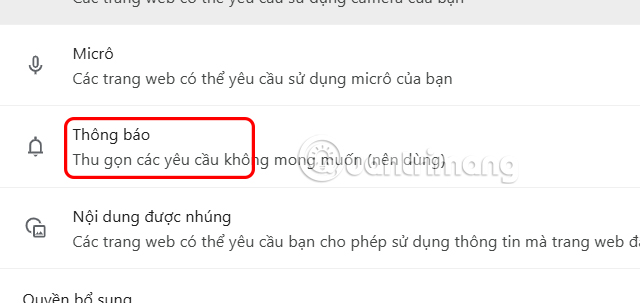
Block or remove permission for sites you do not need during work. If you choose Don't allow sites to send notifications, also inspect existing exceptions rather than assuming every earlier permission has disappeared.
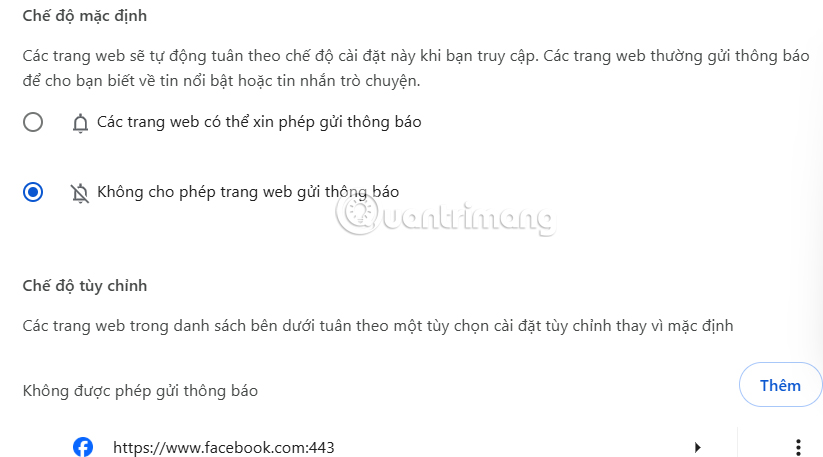
Keep essential alerts if your work depends on them. Website notifications are separate from email-app and operating-system notifications; use your computer's focus controls for those other interruptions.
2. Create a dedicated work profile
Click Chrome's profile icon and choose the option to add a profile. Give it an obvious work name and a different color, then add only the bookmarks, accounts and extensions needed for work.
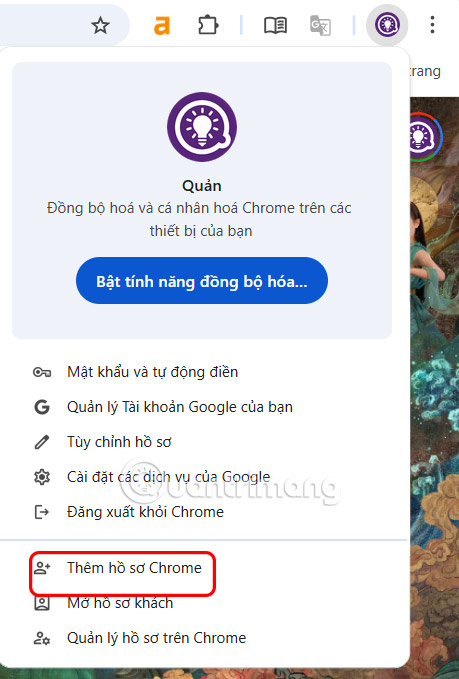
A new profile separates browsing data and settings, but it is not a focus mode. Review its notification permissions too, and close personal-profile windows during a work session if they interrupt you.
On a shared computer, profiles are not a security boundary that prevents other users from opening your browser data. Follow your employer's policies before signing a work account into a personal device.
3. Separate startup pages from the New Tab page
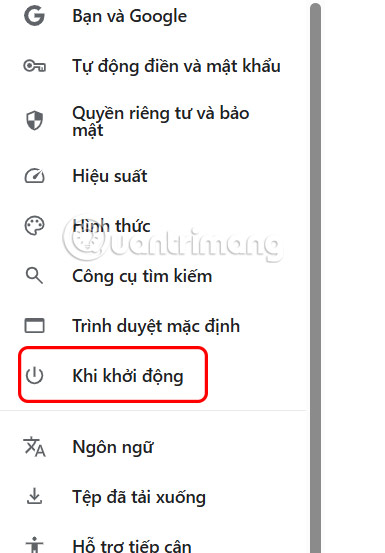
Under Settings > On startup, select Open a specific page or set of pages and add a small set of work destinations. This controls a new browser session, not every new tab.
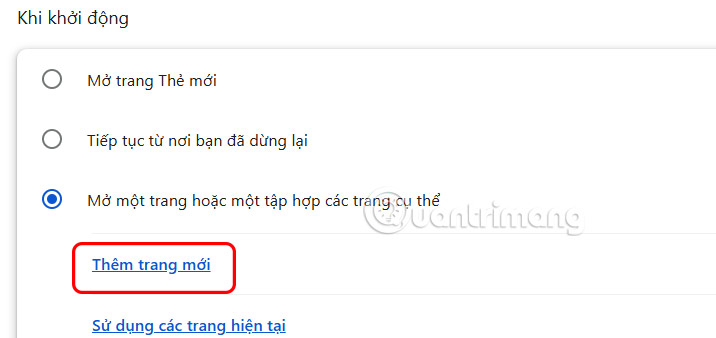
For the New Tab page, use its customization or shortcut controls to remove distracting shortcuts and add useful ones. Do not confuse these controls with the startup-page list. Keep the list short so opening Chrome does not immediately create another crowded workspace.
4. Read articles in Reading mode
On a supported text page, right-click and choose Open in reading mode. Depending on your Chrome version, it may open an immersive view or a side panel. Use the view controls if you prefer a different layout.

Adjust the font, text size, spacing and color theme to suit the material. Reading mode changes the reading view; it does not remove all distractions from the rest of Chrome or work on every website.
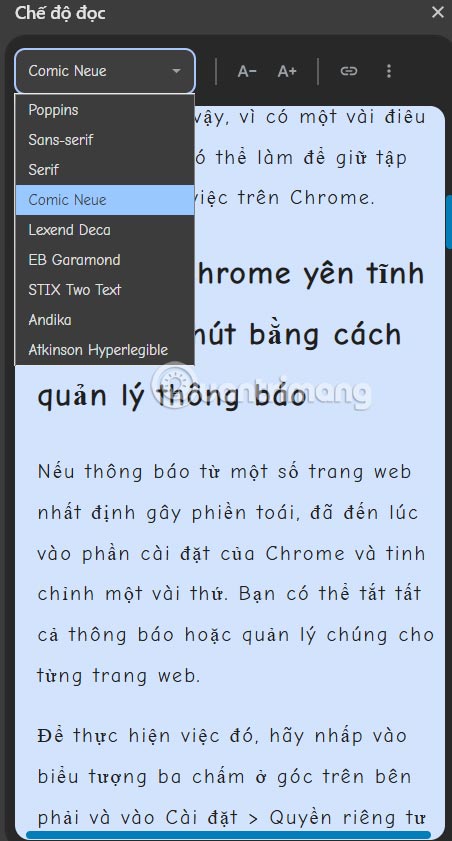
See Google's Reading mode guidance and our Chrome Reading mode walkthrough for current controls.
Check your setup with a short work session
Open the work profile, close unrelated windows and choose one task. Note which interruptions still occur, then change the specific permission or shortcut responsible. If you need to keep the profile easy to reach on Windows, see pinning a Chrome profile to the taskbar.
Reader Comments 0
Sign in with email or Google to join the discussion.