Table of Contents
People who have been using Ubuntu for over half a decade on a variety of computers realize that it may no longer be the smart choice.
Many people are trying to find the perfect Linux distribution to replace Windows 10, now that support for the operating system has ended, and Ubuntu is often the first name that comes to mind. This is understandable because it is stable, beginner-friendly, and has a large community that makes getting started with Linux easier.
But people who have been using Ubuntu for more than half a decade on a variety of computers realize that it may not be the smart choice anymore. Instead, Fedora Silverblue turns out to be exactly what they were looking for. Even if you are new to Linux, it may actually be a better choice than Ubuntu.
People are fed up with Ubuntu getting bloated.
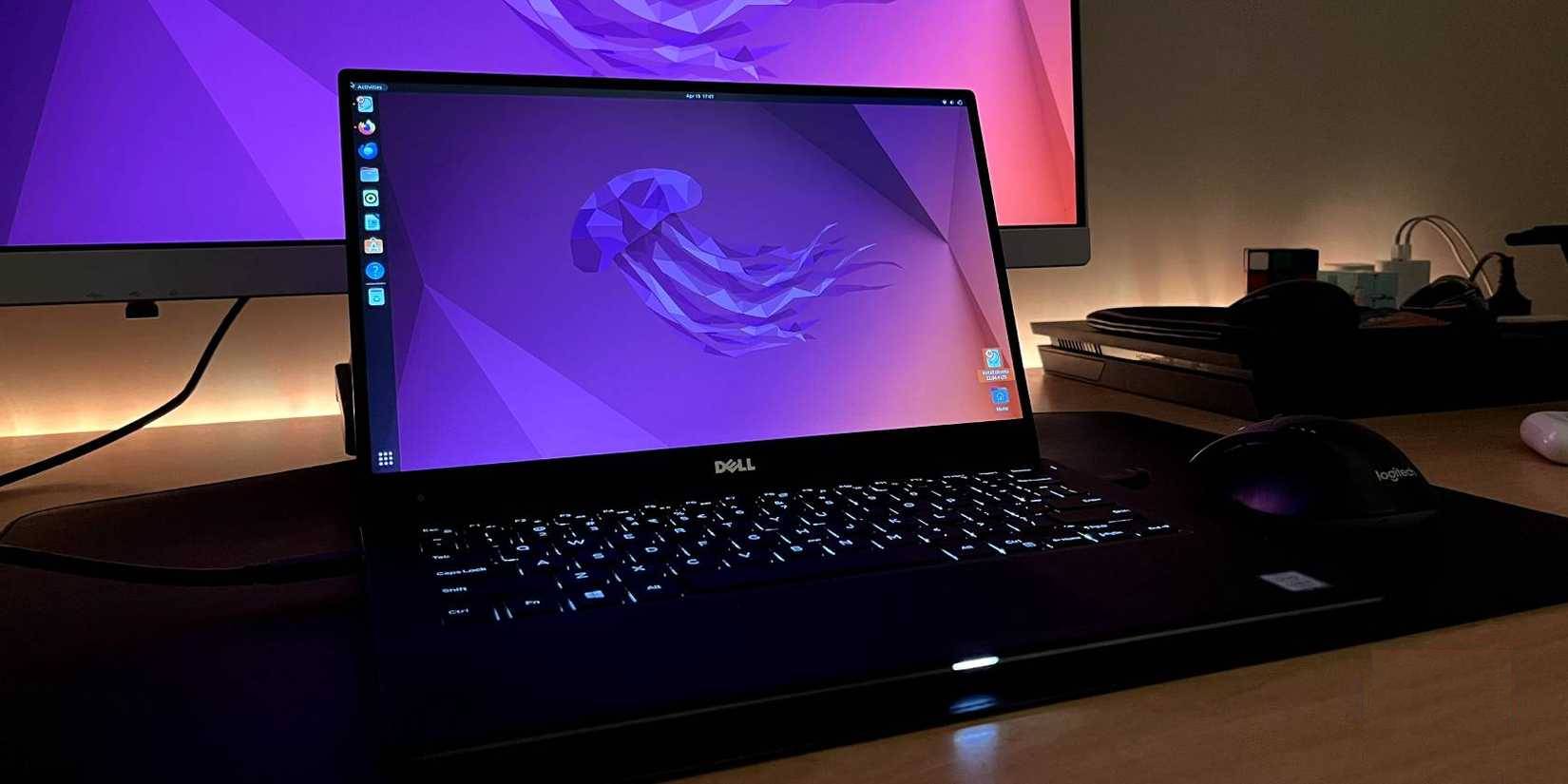
Ubuntu is by far the most popular Linux distribution, which is both its greatest strength and its greatest weakness. Over time, it has become bloated, cumbersome, and full of things most people will never need. Ironically, it has started to resemble the very thing many of us switched to Linux to escape: Windows.
Because Ubuntu is aimed at such a huge hardware platform, it includes enough packages and dependencies to cover every need. This is fine if you want an 'everything works' distro, but not if you want something clean and lightweight. Many people just want a clean, clutter-free system.
Finally, users have a Linux system that they can't break.
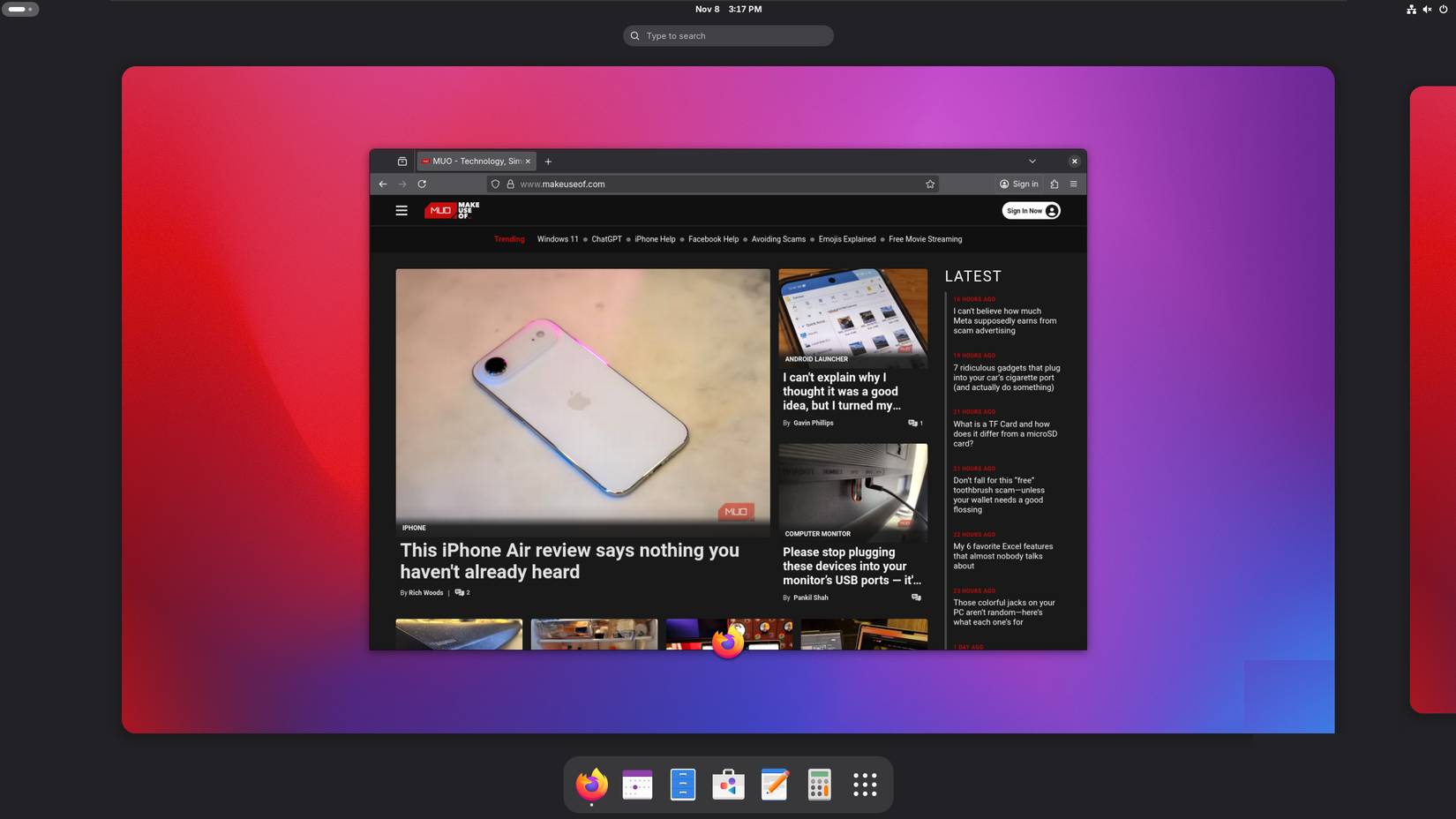
There have been plenty of times when someone has completely messed up their Linux installation. It's not Ubuntu's fault. Honestly, it's pretty much the user's fault for trying to do something stupid. How many times have you edited the wrong configuration file, installed something that conflicted with existing dependencies, or just pushed an update that broke everything? Anyone who has used Linux for long enough has probably experienced the frustration of having your system refuse to boot and you're left staring at a blinking cursor.
Fedora Silverblue actually solves this problem because it's what's called an immutable operating system. An immutable system is one where the core files are read-only, meaning you can't accidentally overwrite or corrupt important parts of the operating system. Any changes you make happen on the ground. If something goes wrong, you can just roll back to the last working state. This makes the system much harder to break, even if you tinker or experiment a lot.
Fedora Silverblue is even more secure than most Linux distributions you've used.
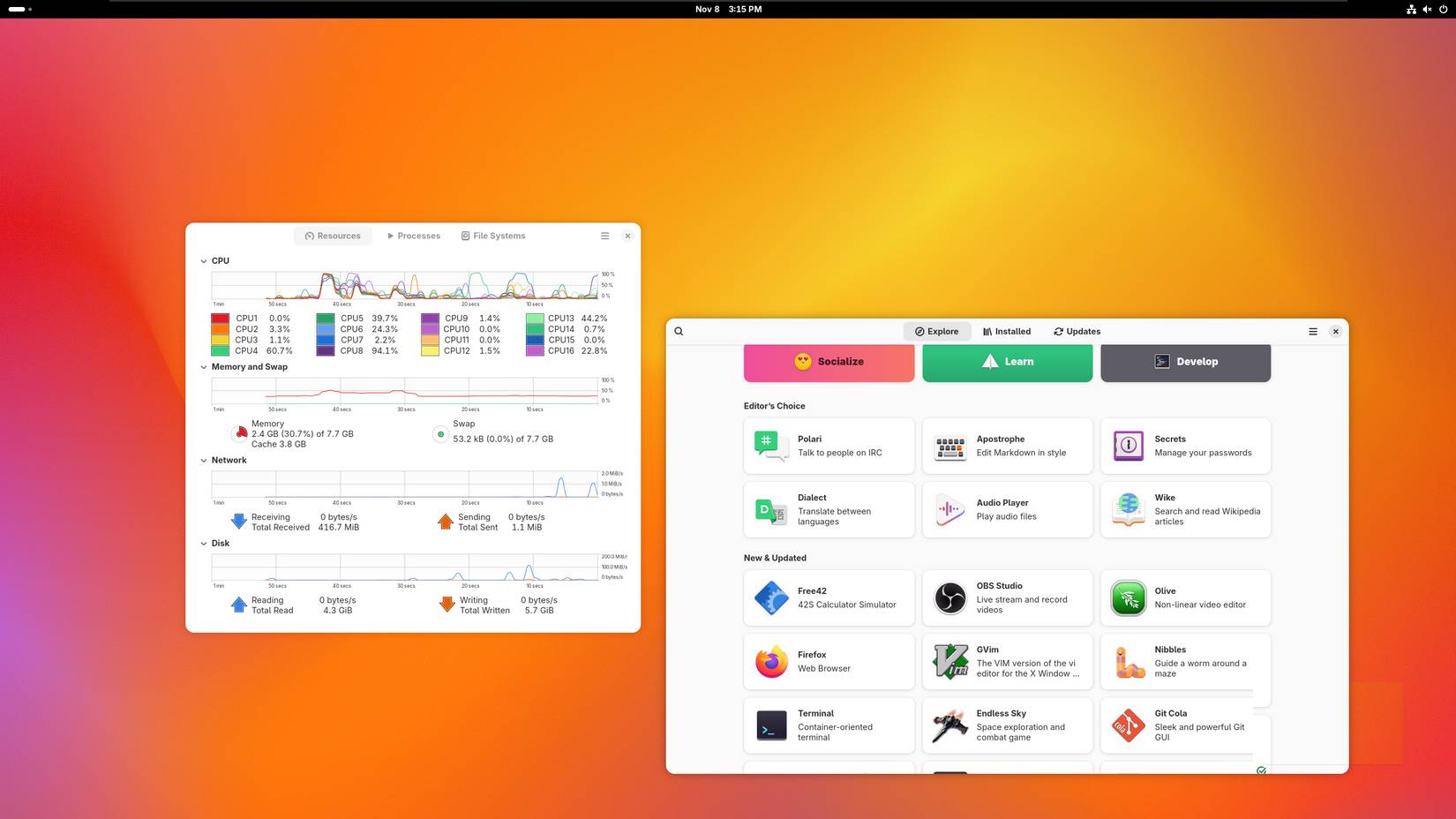
Now, Linux is much safer than Windows simply because there isn't as much malware on it. Windows is a much better target due to its huge market share, so it naturally attracts the most threats. However, one of the biggest misconceptions about Linux is that it can't be infected with malware.
Sure, the risk of malware infection on Linux is much lower, but immutable operating systems go one step further. Because the system core is locked down, malware has a hard time surviving for long. Even if something does slip through, it can't modify core system files, and a reboot will wipe them out.
Ubuntu Desktop is no longer relevant
Ubuntu adds too much to the desktop
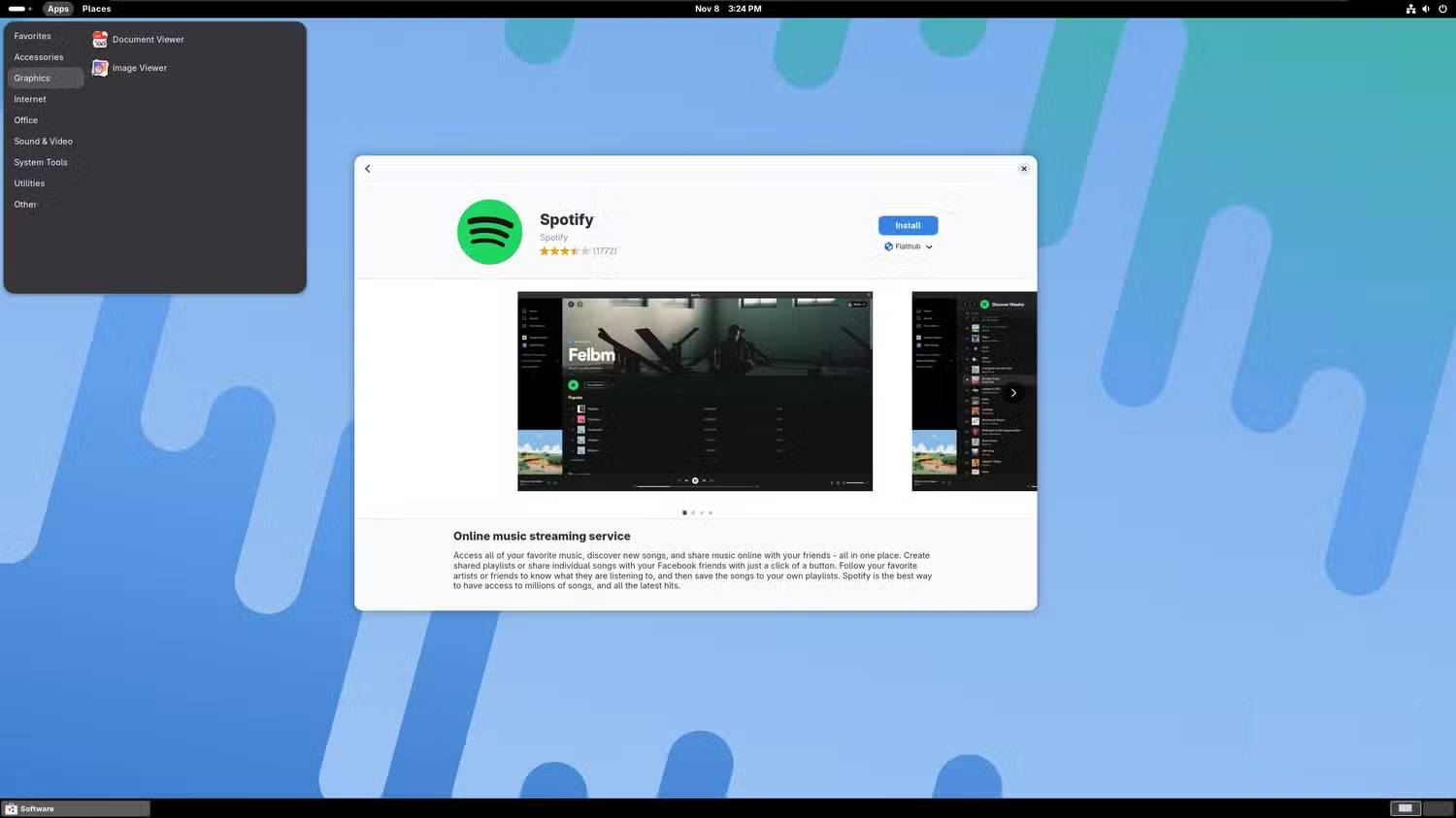
For anyone new to Linux, the desktop environment is essentially what they see and interact with. Both Ubuntu and Fedora Silverblue actually use the same desktop environment underneath, but Ubuntu adds many extra stuff to it. Fedora, on the other hand, is pretty minimalist.
Over time, all of these changes made the Ubuntu desktop feel heavier and more cluttered than it needed to be. As mentioned before, it started to feel bloated, and people stopped liking the way it looked or worked.
While it is possible to strip away most of Ubuntu's customizations and get a look and feel that is nearly identical to a clean Fedora setup, maintaining it is a hassle. Many people have broken their systems trying to tweak things or get the desktop to behave the way they want.
If you still don't like the look of Silverblue, Fedora actually offers other versions of the same immutable system with different desktop environments available on their website.
FAQ
Why Do So Many People Switch from Ubuntu to Fedora Silverblue After Years Of?
In practical terms, people who have been using Ubuntu for over half a decade on a variety of computers realize that it may no longer be the smart choice.
What factors are most important?
The article highlights that but people who have been using Ubuntu for more than half a decade on a variety of computers realize that it may not be the smart choice anymore.
What is the main takeaway?
The main takeaway is that both Ubuntu and Fedora Silverblue actually use the same desktop environment underneath, but Ubuntu adds a lot of extra stuff to it.
Related Articles
 Want to Try Linux? Installing Ubuntu or Fedora Is Enough for Beginners7 minutes read
 Linux: Compare Fedora and Ubuntu11 minutes read
 How to Upgrade to Fedora 32: Step-by-Step Guide5 minutes read
 Run Linux from USB Flash Drive18 minutes read
 Fedora Onyx Explained5 minutes read
 10 Reasons to Switch to Linux Right in 20126 minutes read
Reader Comments 0
Sign in with email or Google to join the discussion.