Table of Contents
This guide provides a practical overview of Turn Off the Administrator Account in Windows 7, including its main features, benefits, limitations, and important considerations.

Method 1: Use the command in cmd.
Step 1: Open the cmd window.
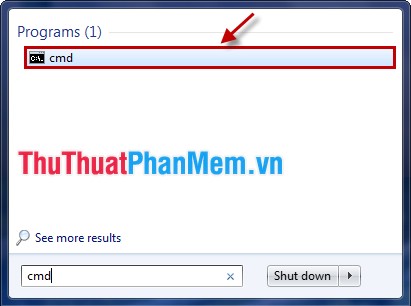
Select Start , type the keyword cmd into the search box and select cmd to open the cmd window.
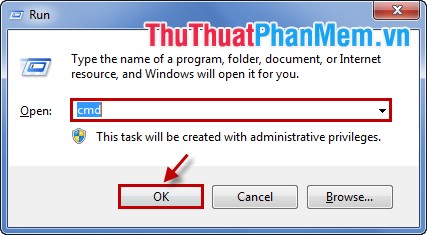
Or you can press Windows + R key combination, in the Run dialog box you enter cmd and select OK (press Enter ).
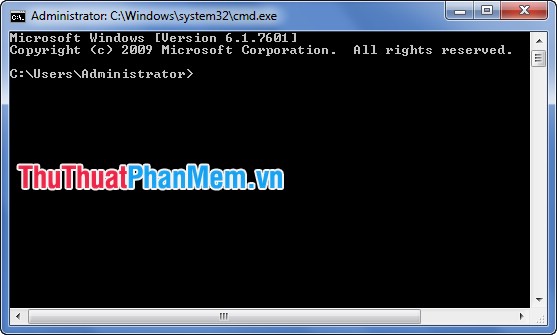
The cmd window displays:
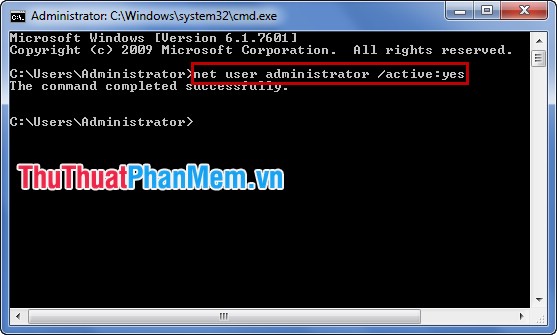
Step 2: Turn on the Administrator account in Windows 7.
In the cmd window enter the command: net user administrator / active: yes and press Enter to turn on the Administrator account.
Step 3: Turn off the Administrator account in Windows 7.
In the cmd window enter the command: net user administrator / active: no and press Enter to turn off the Administrator account.

Method 2: Turn off the Administrator account using Local Users and Groups (Local).
Step 1 : Open the Local Users and Groups manager.
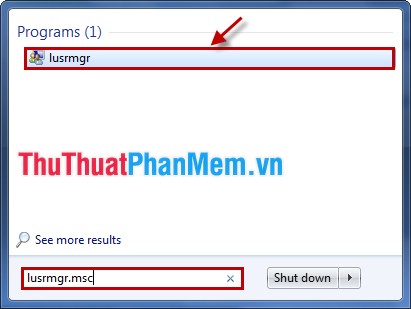
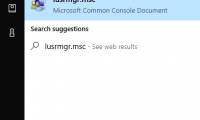
1. Go to Start and type lusrmgr. msc and select lusrmgr .
2. In lusrmgr select Local Users and Groups (Local) .
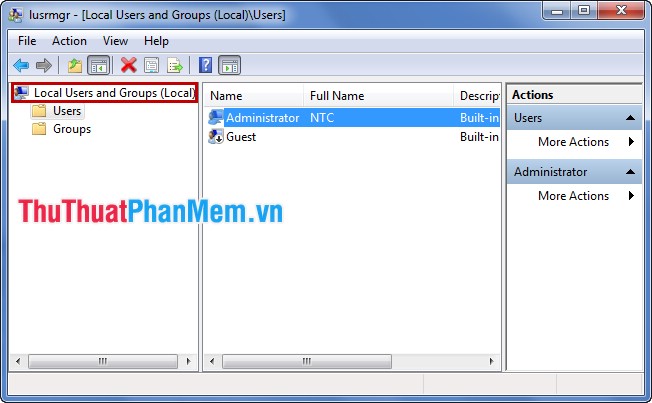
Step 2: In Local Users and Groups (Local), select Users.
Right-click on Administrator and select Properties .

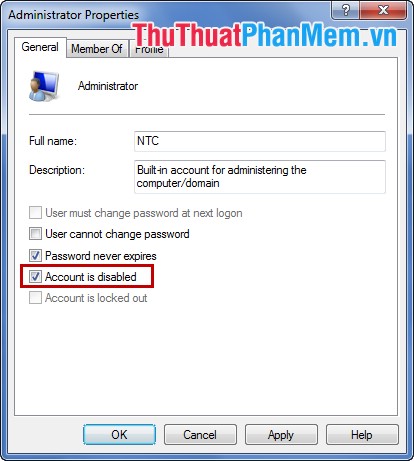
Step 3: Activate the Administrator account.
In the Administrator Properties tab on the General tab, check the box before Account is disabled then select Apply and OK .
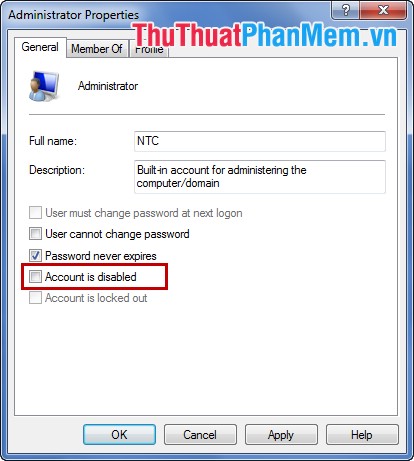
Step 4: Turn off the Administrator account.
In the Administrator Properties tab on the General tab, uncheck the box before Account is disabled and then select Apply and OK .
You can choose for yourself the most simple and easy way to turn on / off the Windows 7 Administrator account. You can easily manage your computer with Administrator rights. Good luck!
FAQ
What should I know about Turn Off the Administrator Account in Windows 7?
Focus on the key features, requirements, limitations, and practical use cases explained in this guide.
How do I get the best results with Turn Off the Administrator Account in Windows 7?
Follow the recommended steps, use current software or information, confirm compatibility, and review settings before major changes.
Are there any risks or limitations?
Potential limitations depend on compatibility, data quality, cost, privacy, support, and how the product or method is used.
Related Articles
 Enable or Disable the Built-in Administrator Account on Windows6 minutes read
 How to Log in with Administrator Privileges on Windows4 minutes read
 How to Turn Off the Administrator Account, Guest Hidden in Windows 102 minutes read
 How to Login to Windows Xp as the Administrator4 minutes read
 How to Make a User Account an Administrator in Windows 84 minutes read
 Activate the Administrator Account on Windows 7,8,103 minutes read
Reader Comments 0
Sign in with email or Google to join the discussion.