Table of Contents
This updated guide examines How to Make Yourself an Administrator on Any Windows System and organizes the essential facts, background, and practical takeaways in clear American English.
Part 1of 3:
Enabling the Hidden Administrator Account
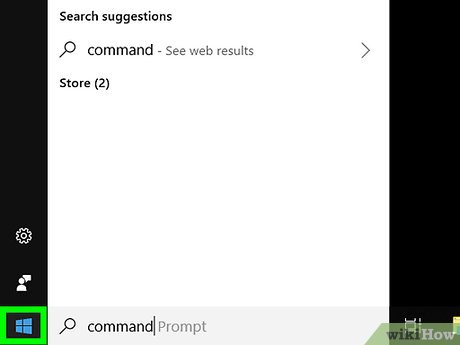 Open Start
 . Click the Windows logo in the bottom-left corner of the screen.
- In order for this method to work, you must currently be logged into an account with Administrator privileges.
- If you're attempting to give another account on this computer administrator privileges, skip to the third part.
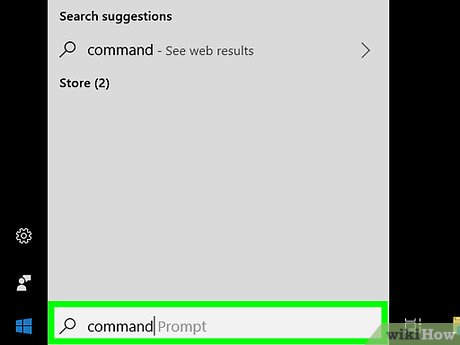 Type incommand prompt. Doing so will prompt the Command Prompt program to appear at the top of the Start window.
 Right-click
 Command Prompt. A drop-down menu will appear.
- If you don't have a right mouse button, use two fingers to click or tap the trackpad—or press the far-right corner of the trackpad button—in lieu of right-clicking.
 ClickRun as administrator. It's in the drop-down menu.
 ClickYeswhen prompted. Doing so will prompt Command Prompt to open in administrator mode.
 Enable the hidden administrator account. Type: net user administrator /active:yesinto Command Prompt, then press↵Enter.
- From now on this computer, you'll have the option of opening the Administrator account at any time by using Safe Mode.
Part 2of 3:
Accessing the Hidden Administrator Account
 Restart your computer into the Advanced Options menu. To do so, open Start
  , click Power
  , and then hold down⇧Shiftwhile Windows restarts.
- You can release⇧Shiftonce you arrive at the Advanced Options screen.
 ClickTroubleshoot. It's the wrench-shaped icon on the Advanced Options screen.
 ClickAdvanced options. You'll see this option near the bottom of the screen.
 ClickStartup Settings. It's on the right side of the screen. Doing so opens a list of potential restart options.
 ClickRestart. This is near the bottom of the list.
 Press4. Doing so selects "Safe Mode" as your restart option and restarts your computer into Safe Mode. This process can take several minutes.
 Click theAdministratortab. It should be in the lower-left corner of the screen. Doing so will log you into the Administrator account.
- You may have to click the Administrator tab several times to get it to open.
Part 3of 3:
Changing Standard User Account Privileges
 Press⊞Win+R. This will open the "Run" text box. If you're using the Administrator account with Safe Mode, this is the best way to open the "Run" box since the Start menu doesn't always work.
- If you're currently logged into a different user's administrator account, you can click Start instead.
 Type innetplwizand press↵Enter. This will open the User Accounts window.
- If you typed this into Start, click netplwiz at the top of the Start window instead.
 Select your personal account. Click on your personal account's name or username. If you're on a communal computer, you may have to scroll down to find the proper account.
 ClickProperties. It's in the lower-right corner of the window. A new window will open.
 Click theGroup Membershiptab. You'll find this at the top of the new window.
 Check the "Administrator" box. It's in the middle of the window.
 ClickOK. This option is at the bottom of the window.
 ClickOK. It's at the bottom of the window. Doing so will apply your account changes.
 Restart your computer. When your computer finishes restarting, you should be out of Safe Mode and your account should now have administrator privileges.
FAQ
What is How to Make Yourself an Administrator on Any Windows System about?
It provides a structured overview of click, explains the main context, and highlights practical takeaways for readers.
Why does this topic matter?
Understanding the main concepts helps readers evaluate the issue, avoid common mistakes, and make better-informed decisions.
How should readers use this information?
Use the guidance as a practical starting point, confirm details that may have changed, and follow current product, safety, or security recommendations.
Related Articles
 Things to Know About a Computer System Administrator6 minutes read
 How to Set Administrator Password6 minutes read
 How to Make a User Account an Administrator in Windows 84 minutes read
 How to Login to Windows Xp as the Administrator4 minutes read
 Click: How to Always Run a Program as an Administrator on Windows3 minutes read
 How to Fix the Error Run as Administrator Does Not Work in Windows7 minutes read
Reader Comments 0
Sign in with email or Google to join the discussion.