Table of Contents
This guide provides a practical overview of Set up Windows Server 2016 with a Static IP Address, including its main features, benefits, limitations, and important considerations.
If you are setting up Windows Server 2016 as a domain controller or doing any other production server functionality on the network, you should set it up with a static IP address. Here is a quick tutorial on how to do that.
Note: You need an admin account on the server to set up Windows Server 2016 with a static IP address.
Log into Windows Server 2016 and click the Start button, then click Control Panel:
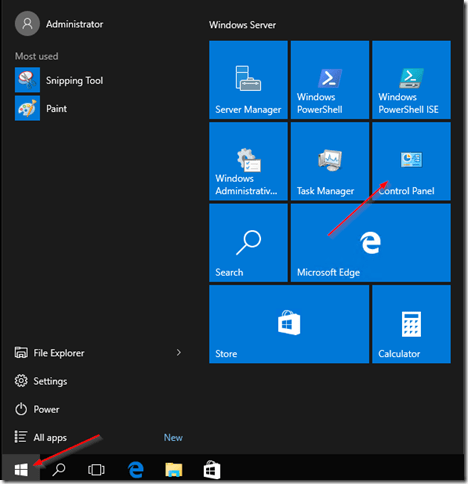 Log into Windows Server 2016 and click the Start button, then click Control Panel
Then, click View network status and tasks in the Network and Internet applet:
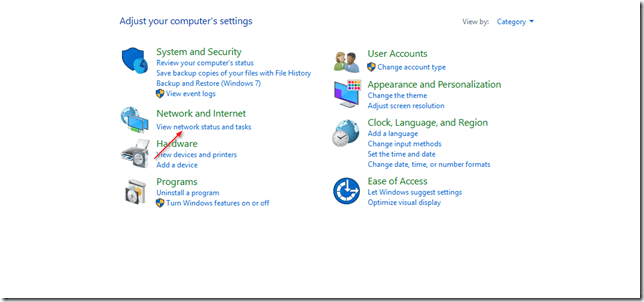 Click View network status and tasks in the Network and Internet applet
Then click Change adapter settings in the left menu:
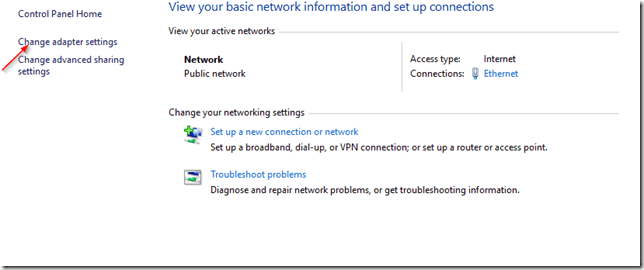 Click Change adapter settings in the left menu
Then right-click on the network connection and select Properties:
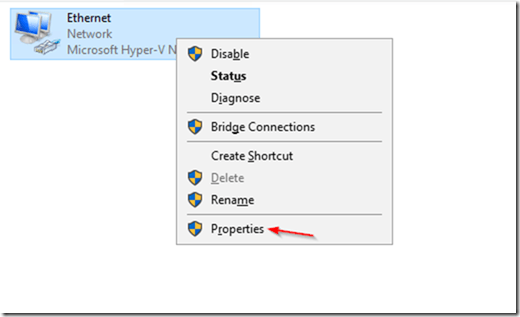 Right-click on the network connection and select Properties
Select Internet Protocol Version 4 (TCP / IPv4) and then click Properties:
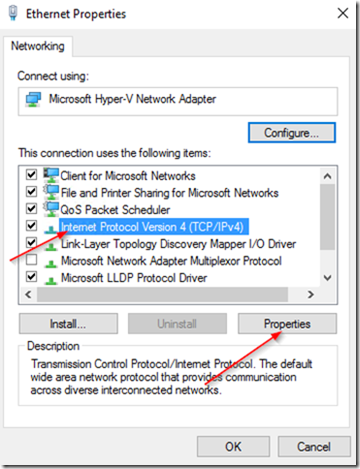 Select Internet Protocol Version 4 (TCP / IPv4) and then click Properties
Enter the IP address you want to assign to this server, Network Mask, Default Gateway and DNS server address :
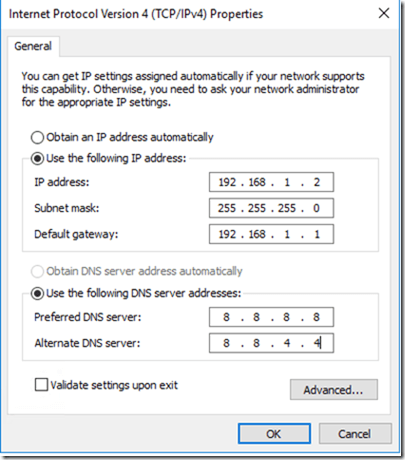 Enter the IP address you want to assign to this server, Network Mask, Default Gateway and DNS server address
Click OK and then restart the server.
FAQ
What should I know about Set up Windows Server 2016 with a Static IP Address?
Focus on the key features, requirements, limitations, and practical use cases explained in this guide.
How do I get the best results with Set up Windows Server 2016 with a Static IP Address?
Follow the recommended steps, use current software or information, confirm compatibility, and review settings before major changes.
Are there any risks or limitations?
Potential limitations depend on compatibility, data quality, cost, privacy, support, and how the product or method is used.
Related Articles
 What Is IP Address: What Is a Static IP Address?11 minutes read
 How to Configure Static IP Address on Ubuntu 22.04 LTS and 22.106 minutes read
 How to Assign Static IP Addresses in Windows 7, 8, 10, Xp or7 minutes read
 Why Use Dynamic DNS Instead of Static IP Address?7 minutes read
 Set Static IP Settings for Windows XP, 7, 8, and 8.17 minutes read
 How to Configure a Static Internet Protocol (IP) Address on6 minutes read
Reader Comments 0
Sign in with email or Google to join the discussion.