Table of Contents
Use your Kindle to collect unfamiliar words and ChatGPT to practice them in context. Start with a book you can mostly follow, such as a graded reader or a familiar story in your target language. Highlight the few words or phrases that matter to the scene.
Build a vocabulary list from what you read
Look up an unfamiliar word in the Kindle dictionary if the book supports it. Then give ChatGPT the word and a short sentence showing how it was used.
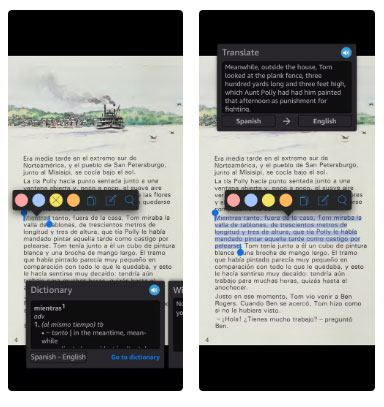
What does “mientras tanto” mean in this sentence? Give me two short examples in Spanish and ask me to write one of my own.
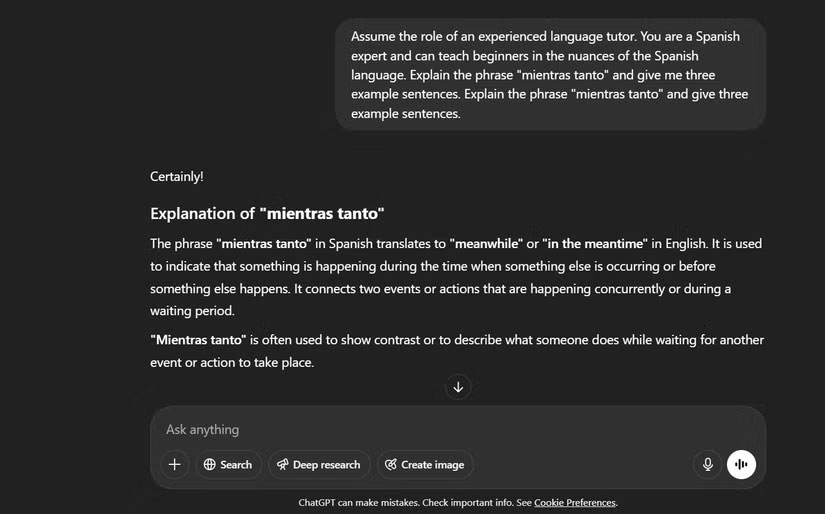
Break down difficult sentences
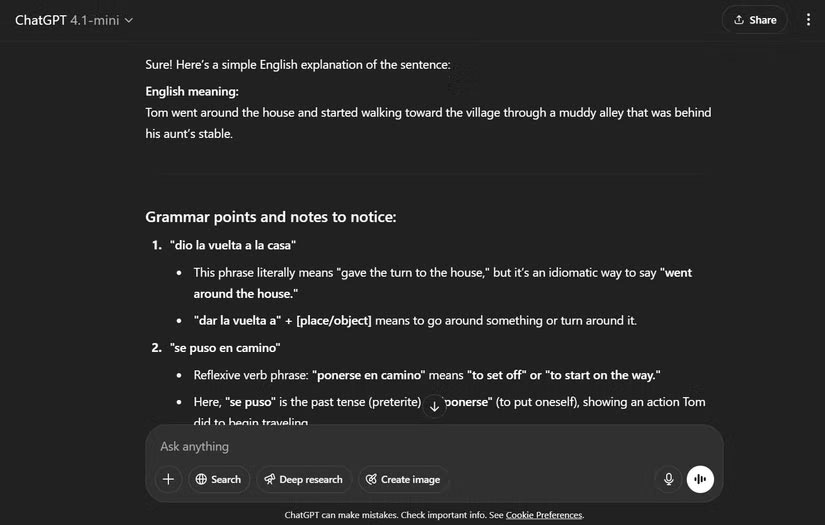
Choose one sentence and ask which words belong together. Try paraphrasing it in your own words before checking a translation.
Split this sentence into clauses. Identify the main verb and explain why it has this tense. Then let me paraphrase the sentence before you show a translation.
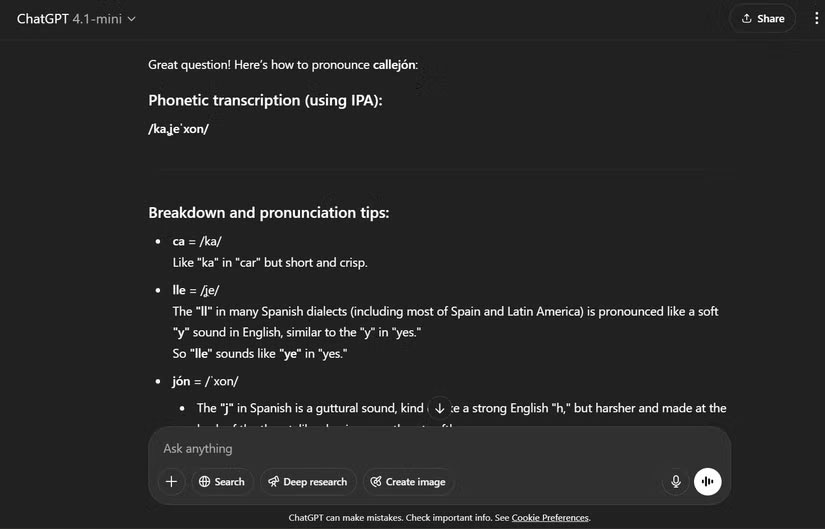
Check pronunciation and practice a conversation
Ask which syllable is stressed and whether pronunciation varies by region. Compare the answer with a dictionary recording or other native-speaker audio.
If voice chat is available, try a short role-play using words from the chapter. For example: “Ask me for directions in Spanish using escuela, iglesia, and río. Ask one question at a time, then correct one mistake in my reply.”
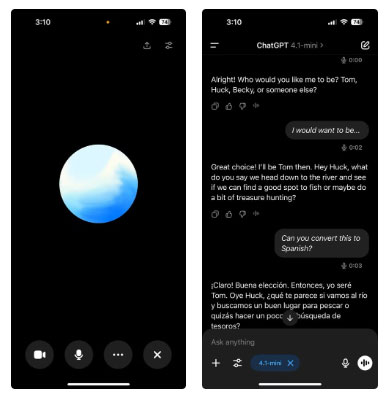
Turn highlights into a short quiz
Paste five words at a time and ask for fill-in-the-blank questions with the answers hidden. Keep the words you miss for another session. Check unfamiliar meanings against your dictionary before saving them to flashcards.
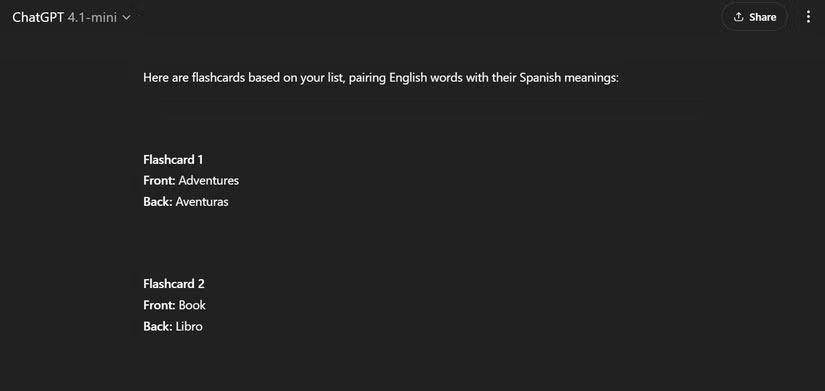
You can use the same routine with any e-reader. For more examples, see the TipsMake guide to guided practice with ChatGPT Study Mode.






Reader Comments 0
Sign in with email or Google to join the discussion.