Table of Contents
This guide provides a practical overview of Increase Read and Write Speed of USB, including its main features, benefits, limitations, and important considerations.
You can maximize the speed of USB read and write with just a few steps:
Step 1: First plug the USB into the computer, then you need to reformat the USB to NTFS . Right-click on the USB name in Computer and select Format .

Step 2: In the Format dialog box, select NTFS in the File system , uncheck the Quick Format option and click Start to Format.

Step 3: After USB Format, right-click USB name -> Properties .
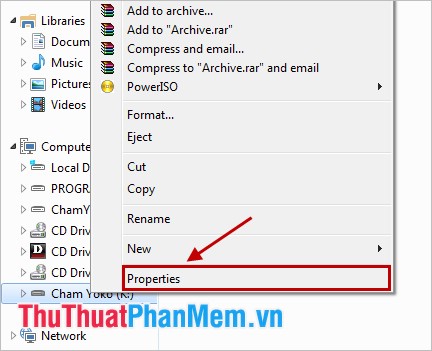
Step 4: The Properties dialog box appears , select the Hardware tab in the All disk drivers section, select the USB drive name and click Properties .

Step 5: The Device Properties dialog box appears, select the Policies tab and select the Better performance option -> OK .

Note: When you choose Better Performance, when you disconnect the USB you need to operate Safely remove from the taskbar to avoid losing files or completely corrupting the USB.
So with some very simple operations, you quickly increased the speed of reading and writing for your USB device. Good luck!
FAQ
What should I know about Increase Read and Write Speed of USB?
Focus on the key features, requirements, limitations, and practical use cases explained in this guide.
How do I get the best results with Increase Read and Write Speed of USB?
Follow the recommended steps, use current software or information, confirm compatibility, and review settings before major changes.
Are there any risks or limitations?
Potential limitations depend on compatibility, data quality, cost, privacy, support, and how the product or method is used.
Related Articles
 How to Increase the Read and Write Speed of HDD, SSD on the Computer5 minutes read
 How to Test the Read and Write Speed of a USB Drive5 minutes read
 Drive: 4 Ways to Test SSD Speed and Performance6 minutes read
 How to Check the Read and Write Speed of HDD, SSD, USB Drives with3 minutes read
 Software to Check the Read and Write Speed of SSD Hard Drives, HDD Best11 minutes read
 5 Best Windows Speed Test Applications on Windows7 minutes read
Reader Comments 0
Sign in with email or Google to join the discussion.