Table of Contents
Explore the usb port on a power outlet isn't as safe as it looks.
Modern multi-purpose power strips and surge protectors can include more features than you might think, including overload protection, ground fault protection, or overvoltage protection. These safeguards help protect the power strips, but many surge protectors now also include USB ports for direct charging. There's just one problem – if you buy a cheap multi-purpose power strip without proper certification and protection, using the built-in USB ports could be risky.
Note : The multi-purpose power sockets illustrated in this article are for reference only and do not have the common problems found in inexpensive sockets and surge protectors.
Poor voltage regulation can damage the equipment
Cheap power outlets lack the necessary chips to maintain a stable voltage
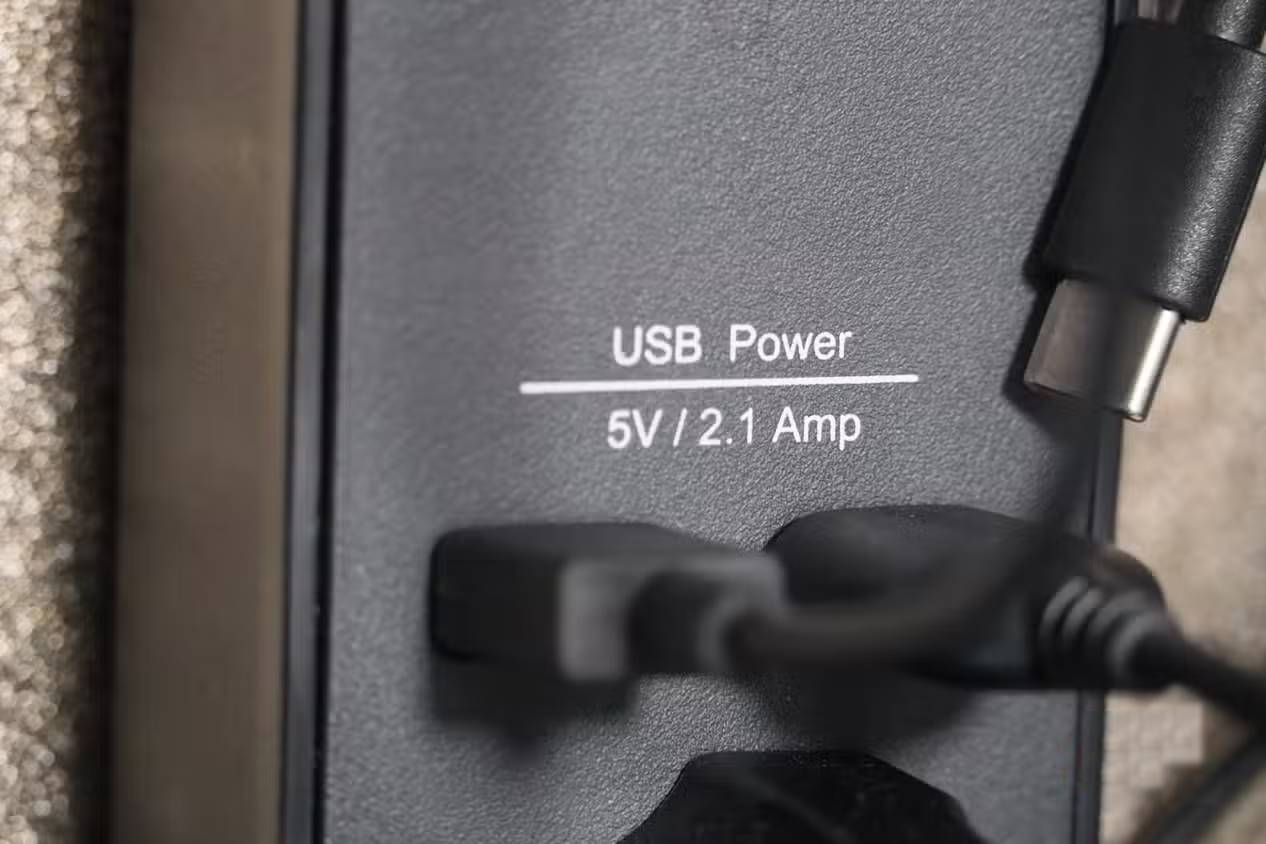
Depending on where you live and the quality of the electrical infrastructure in your area, the power supply to your home may be unstable. Voltage fluctuations can occur during peak hours when electricity consumption is high. During these times, sudden drops or increases in supply voltage cause instability. USB-charging devices require a clean, stable power source for safe charging.
This is why it's advisable to use high-quality chargers plugged into wall outlets for everyday charging. They regulate the voltage from the wall, adjusting it to the device's recommended charging conditions using specialized chips. However, USB ports on wall outlets may use weak voltage regulators or none at all – especially on cheap, unbranded products from unreliable manufacturers.
Poor voltage regulation can lead to sudden voltage spikes and drops that affect your devices, often putting extra strain on the battery and shortening its lifespan. It's best to use a suitable charger instead of just any USB port on a power outlet to completely avoid these problems.
Inconsistent surge protection capabilities can be misleading
Some low-quality power strips only protect the outlets
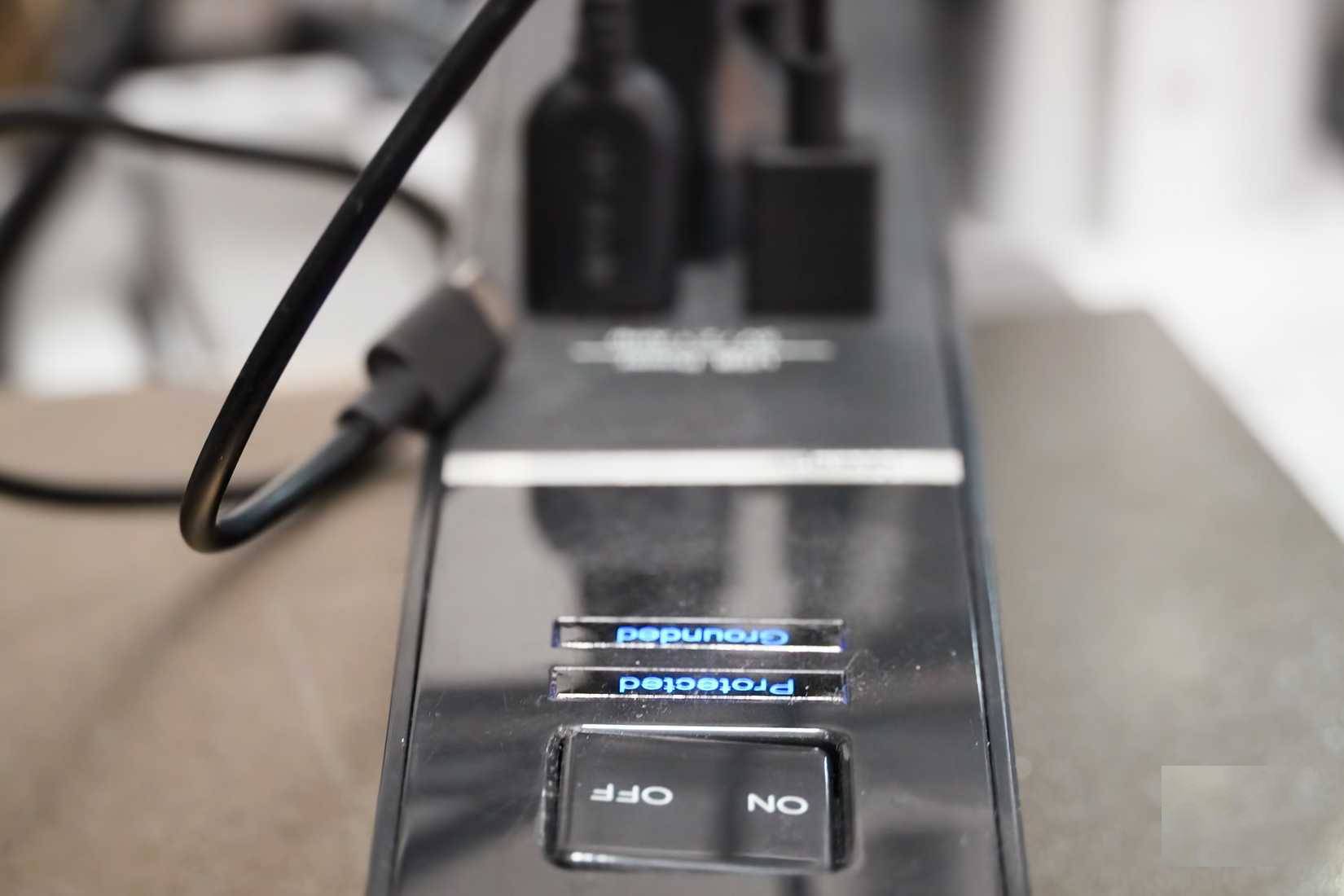
As the name suggests, surge protectors provide built-in protection against the aforementioned power surges and drops. However, this surge protection is primarily intended to protect full-sized outlets. The technology powering the surge protector is called a Metal Oxide Varistor (MOV), and this component sends excess voltage during a power surge back to the ground wire. It protects your connected appliances and devices from surges by diverting it if the input power supply has too high or too low a voltage.
The difficulty with surge protectors (MOVs) for power strips with USB ports is that it's not always clear whether the MOV protects both the power strip and the USB connection. Some inexpensive power strips cut costs by using MOVs to protect full-sized power strips and omitting the USB ports. This creates a situation where your power strip might be labeled as a surge protector, but its USB ports may not be protected.
Poor voltage isolation is a safety hazard
If the high and low voltage sections are not isolated, a malfunction may occur
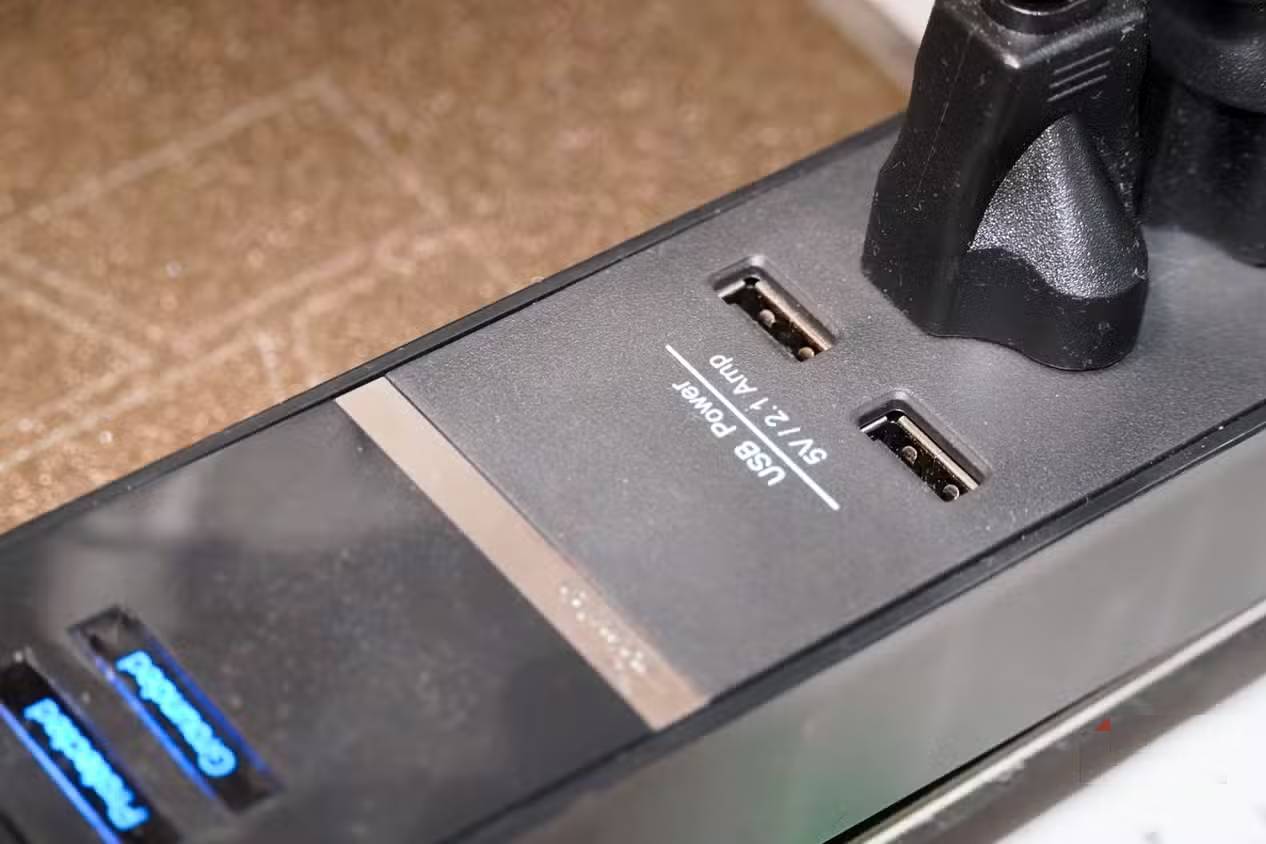
Extremely cheap power outlets often go through several steps to create a product that looks good at a low cost. Often, the USB ports are the first component to be overlooked. In some cases, power supply to the USB ports is handled by a small circuit board separate from the main power system. Without proper shielding and isolation, this board can be susceptible to interference.
These power outlets draw high-voltage alternating current from the wall socket and must convert it to a lower voltage to charge USB devices. Typically, surge protectors use transformers and circuitry to take the 120V alternating current from the wall socket and convert it to a 5V direct current for USB charging. Without electrical isolation between the high and low voltages internally, excessively high voltage can pass through the USB ports and damage your device in severe cases.
In summary, the risk associated with USB ports on power outlets is the uncertainty of whether the internal components are properly regulated, grounded, and insulated from the outside. It's best to avoid buying cheap power outlets and invest in hardware from reputable manufacturers.
Final Thoughts
Understanding the usb port on a power outlet isn't as safe as it looks makes it easier to evaluate the information and apply the most relevant recommendations. Focus on the key points above and verify details that may change over time.
FAQ
What is the usb port on a power outlet isn't as safe as it looks?
Explore the usb port on a power outlet isn't as safe as it looks.
What key points does this article cover?
The article focuses on Poor voltage regulation can damage the equipment, Cheap power outlets lack the necessary chips to maintain a stable voltage, Inconsistent surge protection capabilities can be misleading, with practical explanations and examples.
How can you use this information in practice?
Use the explanations to compare options, verify important details, and make a more informed decision. Apply the recommendations that best match your goals and situation.
Related Articles
 Top 6 Versatile Travel Power Outlets with the Best USB Ports8 minutes read
 Top 5 Best Electrical Anti-surge Power Outlet 20197 minutes read
 Powerpost: Table Legs as a Power Outlet3 minutes read
 What Is Outlet?3 minutes read
 Box: How to Wire a 220 Outlet20 minutes read
 How to Check the Power of the USB Port4 minutes read
Reader Comments 0
Sign in with email or Google to join the discussion.