Table of Contents
This guide covers MacBook pro 13 'retina: measuring file recording speed with practical context and easy-to-follow details. Use it to understand the subject and apply the information confidently.
How to Speed Up SSD with Disk Speed Test
Runs many times and I randomly picked one of those results, namely:
- File writing speed: 634. 7 MB / s
- File read speed: 1, 315. 6 MB / s
For reference, I also measured the SSD speed on my MBP 15 "Retina 2012 And had much lower results:
- File writing speed: 371. 2 MB / s
- File read speed: 419 MB / s
To make it easier to imagine, you might think that you can copy a 700 MB Movie file from an external storage drive into MBP 13 "Retina in less than 3 seconds. Or copy the DVD file more than 4GB From the computer. External drive for 5, 6 seconds Of course, it depends on the type of external drive you use, if you use an SSD, it will give you the best copy speed, while using USB stick, the speed will be reduced. Down respectively.
Actual File Copy Speed
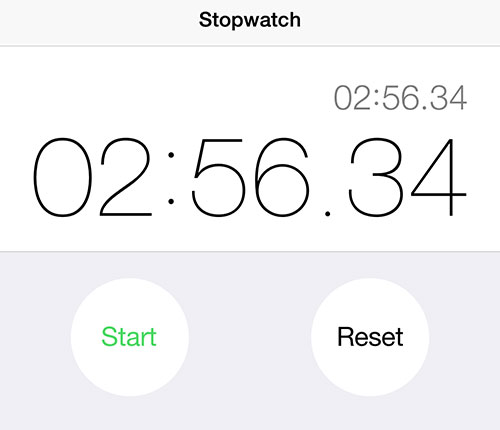 I use USB 3. 0 drive to copy a 15 GB Folder from there to the computer. The copy window on Mac tells the copy time to be about 3 minutes, the actual time that I clocked is 2 minutes 56 seconds. Just round up to 3 minutes, divide the copy speed to about 83 MB / s . This speed is much lower than the above 634. 7 MB / s, But as I said, it depends on the type of drive you are attached to. To achieve the highest speed, you must use SSD on both inside and outside.
System Benchmarks (Geekbench 3, 64-bit)
Geekbench 3 is a simple, detailed and simple benchmark software for Mac computers ( And many other operating systems ). Single-core and multi-core scores ( Measured on 64-bit platforms ) are 3325 And 7020 Points. Its configuration is the standard ( Lowest ) version using 2. 7 GHz Core i5-5257U CPU with 8 GB RAM . See the comparison table with many other Macs below, the difference is not much (the Score is taken from the Geekbench results website ).
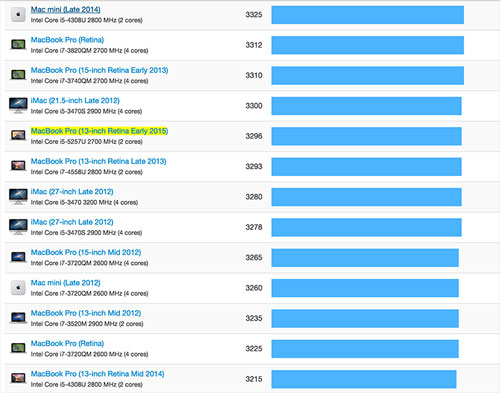 Benchmark mono
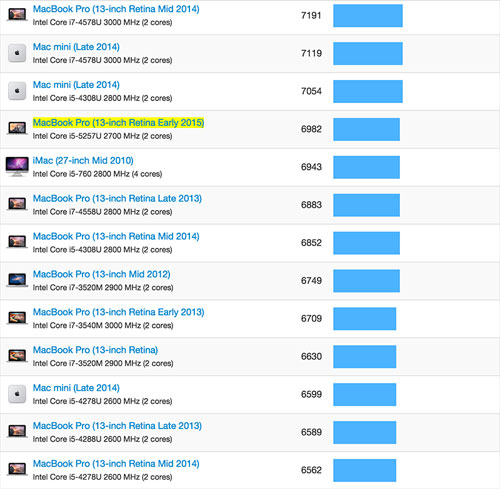 Multi-core Benchmark
FAQ
What should I check before following these steps?
Confirm device and software compatibility, save important data, and make sure you have the required permissions, files, and account access.
Why might the process not work?
Common causes include outdated software, missing permissions, incompatible hardware, an unstable connection, or completing a step in the wrong order.
Can I undo the changes if necessary?
That depends on the tool or setting. Use built-in restore options when available, keep a backup, and record the original configuration first.
Related Articles
 Apple Reduced the Price of MacBook Pro Retina and MacBook Air, Upgraded3 minutes read
 MacBook Air 12 'Retina Has Started to Be Mass-produced?3 minutes read
 Apple Will Release Ultra-thin MacBook Air Retina This Year3 minutes read
 MacBook Pro Retina Offers Discounts That Are Still Heavily Stocked3 minutes read
 Apple Unveiled the MacBook Pro Retina Screen3 minutes read
 New Generation MacBook Air May Debut This Week3 minutes read
Reader Comments 0
Sign in with email or Google to join the discussion.