Table of Contents
This guide explains how to view and Delete Devices That Are Connected to Your AppleID Account, with clear steps, practical tips, and important checks before you begin.

Method 1: Delete Apple ID account directly on the phone
Step 1 : Click on Settings -> and select the Apple ID at the top.
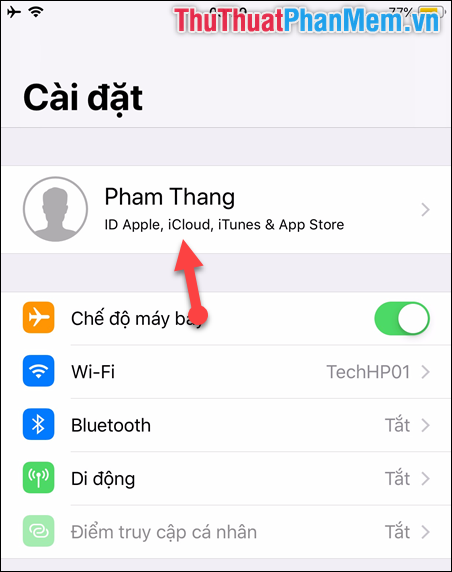
Step 2 : Wait a bit for Apple to update the information, then you scroll down. Devices currently in use with your Apple ID account will be fully displayed here.

Step 3 : To proceed with deleting the shared Apple ID account from any device, click on the device.

Step 4 : You will then need to answer 2 questions that you have previously used to create an account. Please enter your answer and select Verify .

Step 5 : Then choose the item Remove from account near the bottom.

Step 6 : Select Uninstall to confirm again.
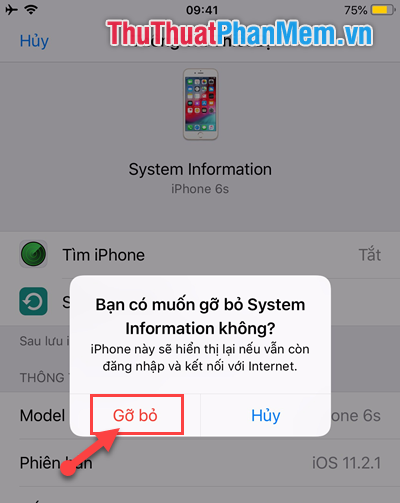
So that device has been removed from the list of shared AppleID account already.
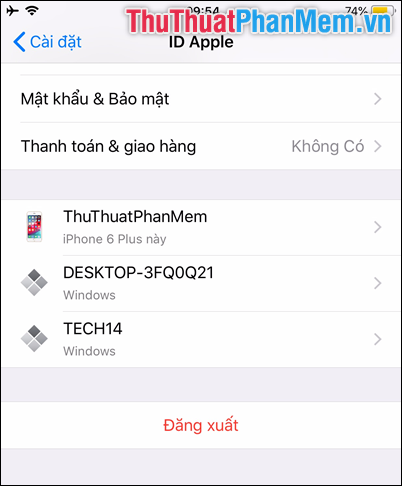
Method 2: Delete Apple ID account remotely using a computer or laptop
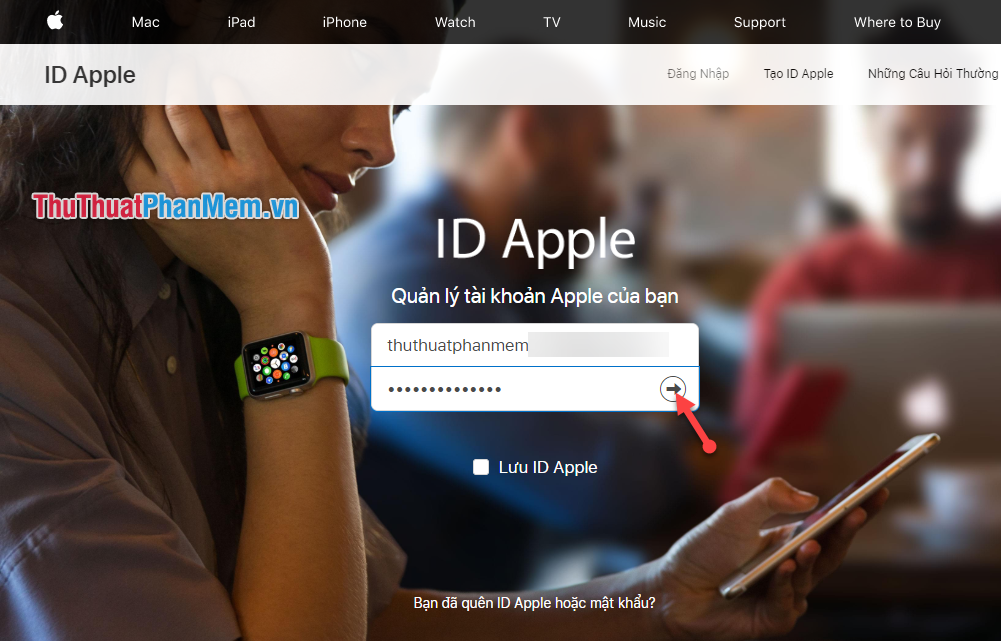
Step 1 : You access the address: https://appleid. apple. com/
Step 2 : Then log in all of your iCloud account.
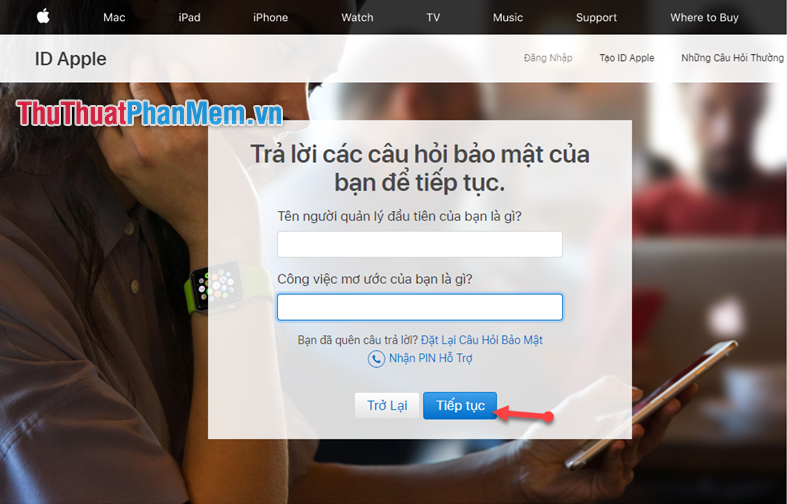
Step 3 : Then answer your account security questions. Then press Continue .
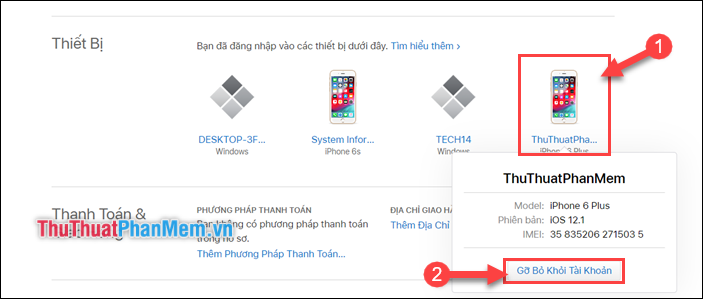
Step 4 : Resources Section EQUIPMENT you can see all of the devices currently use your common AppleID account. Now choose the device you want to delete the account for. Then choose Remove from Account .
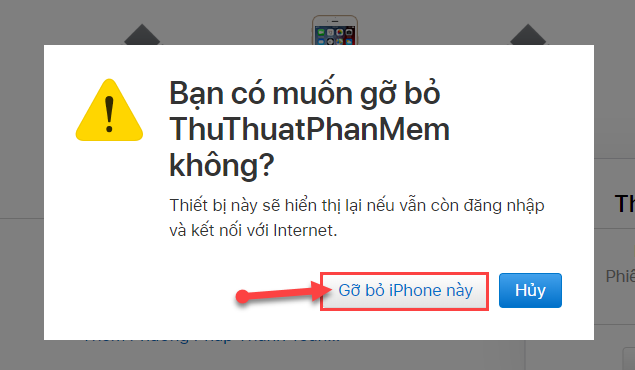
Step 5 : Confirm again by selecting Uninstall this iPhone .
So, the AppleID account has been deleted. Very simple and easy is not it. I wish you successful implementation!
FAQ
What should I know about View and Delete Devices That Are Connected to Your AppleID Account?
Focus on the key features, requirements, limitations, and practical use cases explained in this guide.
How do I get the best results with View and Delete Devices That Are Connected to Your AppleID Account?
Follow the recommended steps, use current software or information, confirm compatibility, and review settings before major changes.
Are there any risks or limitations?
Potential limitations depend on compatibility, data quality, cost, privacy, support, and how the product or method is used.
Related Articles
 How to Remove Devices Connected to Your Apple ID Account4 minutes read
 How to View All Connected Storage Devices on Windows 103 minutes read
 Instructions on How to Delete a Skype Account Permanently4 minutes read
 Manage Devices Connected to Icloud on Iphone in 3 Steps2 minutes read
 Frame View in SQL8 minutes read
 How to Permanently Delete Tik Tok Account on the Phone4 minutes read
Reader Comments 0
Sign in with email or Google to join the discussion.