Table of Contents
This updated guide examines How to Use Deluge and organizes the essential facts, background, and practical takeaways in clear American English.
Part 1
Downloading the Installer for Your Operating System
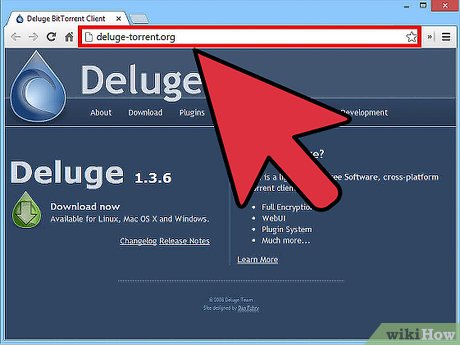 Go tohttp://deluge-torrent.org/.
 Click the icon below Deluge or the link that says Download Now. This will take you to the Download page, which allows you to pick which installer to download.
 Pick from a variety of supported operating systems. Only choose the one you are currently using. There are plenty of systems supported, so make sure you're picking the right one.
- After clicking on the operating system of your choice, you will be taken to a download page for different versions of the program.
 Choose a version you like. Check the dates opposite the version name of the installer to know which one is the most recent release.
- The easiest way to determine your operating system version is to consult your computer's manual.
Part 2
Installing Deluge
 Head to your download directory using a file manager on your computer. As a default, the name of the folder should be Downloads.
- On every operating system, a simple search for the Downloads folder should take you to it.
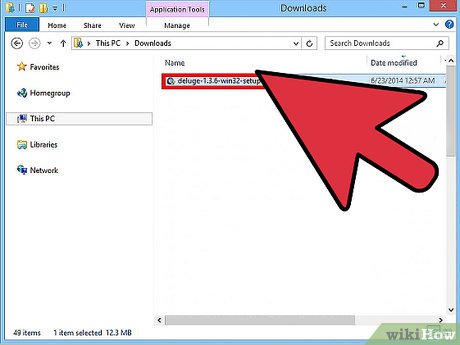 Double-click on the downloaded program to run it.
 Follow the setup wizard's on-screen instructions. These should be straightforward; just choose the default options.
Part 3
Getting a Torrent File
 Go to a torrent hosting site. There are several torrent hosting sites on the Internet. A good one to try is Piratebay. It's always on the move (figuratively), so it's generally more reliable.
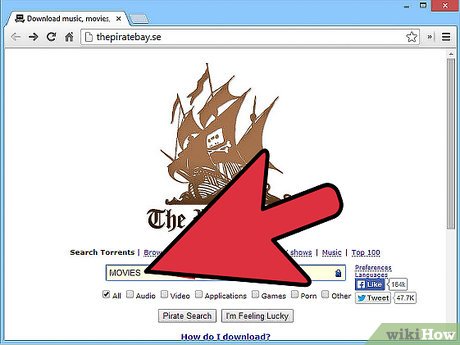 Type the name of the file you want to download. Remember that in most countries, you are only legally allowed to download copyrighted files or media that you already physically own.
 Press the SE button on top of one of the columns at the right side of the torrent file name. This will arrange the torrent list according to number of seeders (uploaders) in descending order.
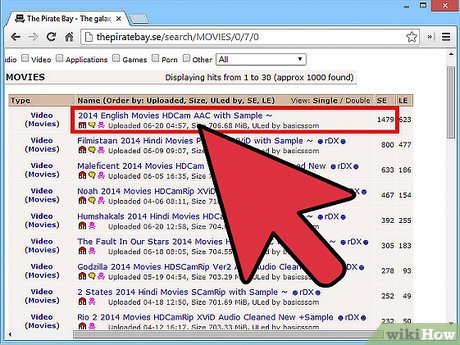 Select the one with the most seeders under the SE column.
 View the comments on the page. Commenters will generally provide reviews for that particular torrent file and give you an idea of its quality.
 Click the GET THIS TORRENT link beside the magnet icon. This will provide you an anonymous way of downloading, which is great for privacy reasons.
Part 4
Downloading the File
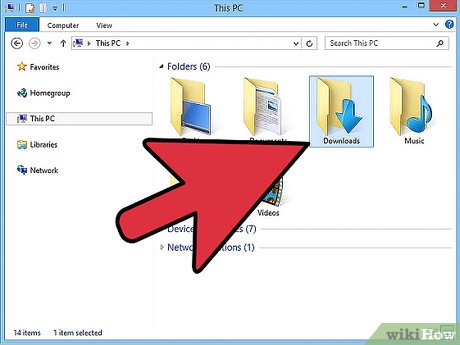 Head to the downloaded torrent file. This is in the Downloads folder as a default.
 Double-click it to launch it in Deluge.
 Manage the torrent. When Deluge launches, you will have the option to set a download path or view the files the torrent will download. If you wish to set a custom download path, click on Options.
 Choose your file location. Under Download Location, click and hold the Downloads folder and drag your cursor to a directory you want to save the file in.
- If it isn't in the selection, drag the cursor to Other and locate your desired folder by navigating through the directories in the pop-up window.
- You can also choose Apply to All to set the download directory for all following torrents to your chosen location.
 Click on Add to finalize your download locations.
 Start the download. The speed of the download depends on how many seeders there are.
- In the main window of Deluge, you will see the Downspeed, which is the rate of download, and the ETA, which means Estimated Time of Arrival.
Part 5
Using the Downloaded File
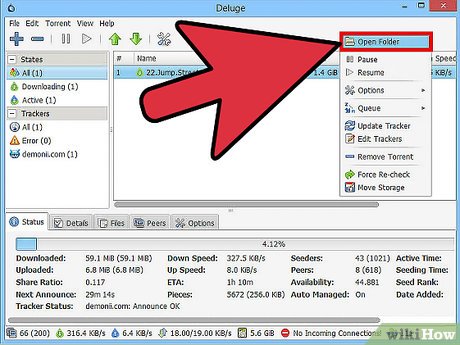 Open the location of the file. Once your download has finished, which will be signified by a Completed status, you can open the Download folder by right-clicking the row of the file and selecting Open Folder.
 Launch the file. Double-click on the file to launch it.
FAQ
What is How to Use Deluge about?
It provides a structured overview of download, explains the main context, and highlights practical takeaways for readers.
Why does this topic matter?
Understanding the main concepts helps readers evaluate the issue, avoid common mistakes, and make better-informed decisions.
How should readers use this information?
Use the guidance as a practical starting point, confirm details that may have changed, and follow current product, safety, or security recommendations.
Related Articles
 9 Tools to Download the Best Torrent Files: Torrent Download Site6 minutes read
 How to Play Pokémon GO on a Computer6 minutes read
 How to Play Pokémon GO on a Smartphone6 minutes read
 26 Types of Poké Balls Explained: Part 25 minutes read
 How to Earn and Use Stardust in Pokémon GO5 minutes read
 Pokémon GO Eggs: Incubation and Hatching Guide4 minutes read
Reader Comments 0
Sign in with email or Google to join the discussion.