Table of Contents
This practical guide walks through how to set the default name of a newly created folder, explains the main requirements, and highlights common issues that may appear along the way.
In the Settings menu, click the ' Time & Language ' option.
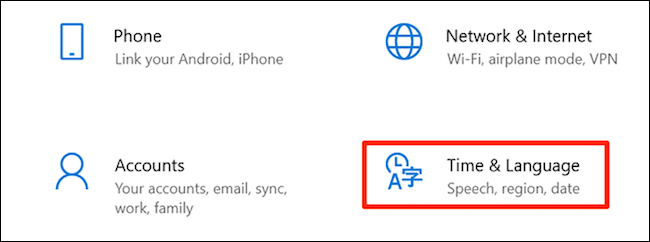
Select ' Region ' on the left sidebar, then click ' Change data formats ' on the right pane.

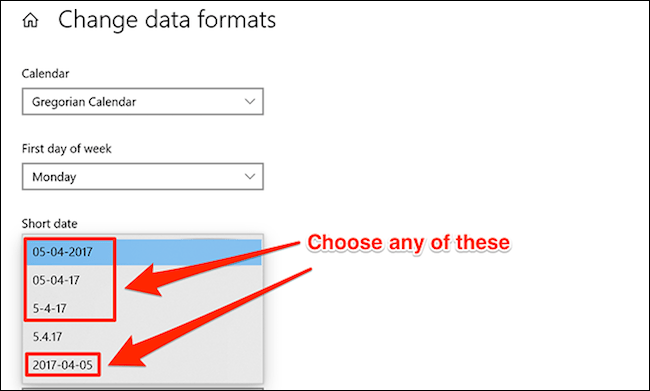
Click the drop-down menu under " Short date " and choose the format to display dates with dashes instead of slashes as usual. Now you can close the Settings app.
Next, access Registry Editor by pressing Windows + R , enter the keyword ' regedit ' in the Run dialog box and press ' Enter '.
Navigate to the following path in Registry Editor :
HKEY_CLASSES_ROOTDirectoryshell
Right click on the ' shell ' folder and select New> Key . Enter ' Folder ' as the key name and press ' Enter '.
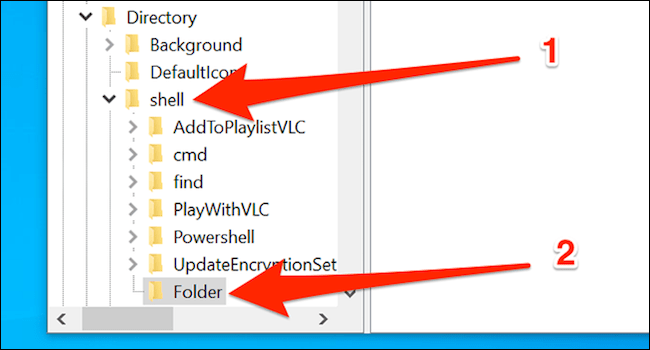
Right-click on the ' Folder ' key you just created and choose New> Key . Type ' command ' as the key name and press ' Enter '.

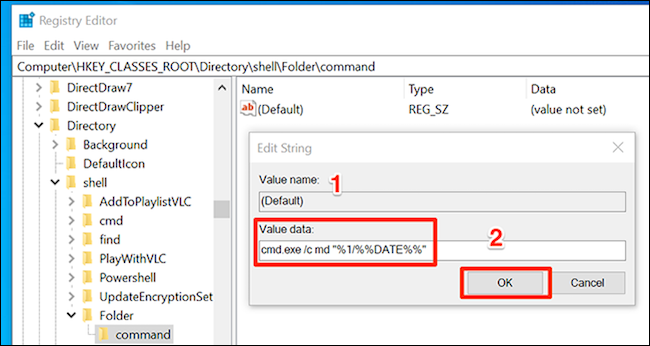
Click once on the newly created command key on the left, then double click on the ' Default ' option on the right pane.
In the Edit String box , enter the following in the ' Value data ' field and click ' OK '.
cmd.exe / c md "% 1 / %% DATE %%"
Close the Registry Editor window.
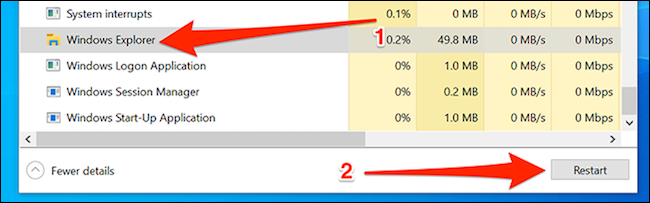
Now, you need to relaunch Windows Explorer for the changes to take effect. To do this, right-click on the taskbar and select ' Task Manager '. You can also press Ctrl + Shift + Esc to quickly open Task Manager.
Find ' Windows Explorer ' in the Processes list, click on it and then click on the ' Restart ' button in the lower right corner. (If you don't see a complete list of system processes, click ' More Details ' at the bottom of the window).
Note that creating a new folder with the default name of the current date is a little different from creating a regular folder. You can only create folders of this type inside another large folder. Please right click on the large folder you want to create a new folder using the current date as the default name inside it and click ' Folder '.
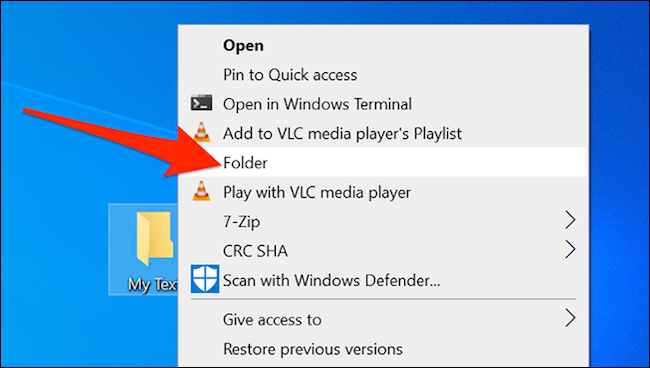
A new folder with the name current date will be created inside the large folder you selected.
To undo the changes, just delete the Registry values you created above and revert to the default name "New Folder" for the new folders.
Key Takeaways
Use the information above as a practical reference for how to set the default name of a newly created folder. Review each step carefully, confirm any requirements, and choose the option that best fits your situation.
FAQ
What does this guide explain about Set the Default Name of a Newly Created Folder?
It explains the main concepts, practical considerations, and useful steps related to set the default name of a newly created folder without requiring advanced knowledge.
Who can benefit from learning about Set the Default Name of a Newly Created Folder?
This information is useful for readers who want a clear overview, practical guidance, and reliable steps related to set the default name of a newly created folder.
What should I check before applying this information?
Review the requirements, confirm that your device, software, or situation matches the instructions, and back up important data before making major changes.
Related Articles
 How to Change the Default Name 'New Folder' of a Newly4 minutes read
 New Folder: Complete Guide4 minutes read
 How to Change Default Folder in Windows Terminal6 minutes read
 What Is the Function in Excel That Retrieves the Current Date and Time?5 minutes read
 Current Date and Time in Python5 minutes read
 The Date Command in Windows: A Practical Guide4 minutes read
Reader Comments 0
Sign in with email or Google to join the discussion.