Table of Contents
This updated guide examines How to Lock Cells in Excel and organizes the essential facts, background, and practical takeaways in clear American English.
Method 1
Locking and Protecting Cells in Excel 2007 and Excel 2010
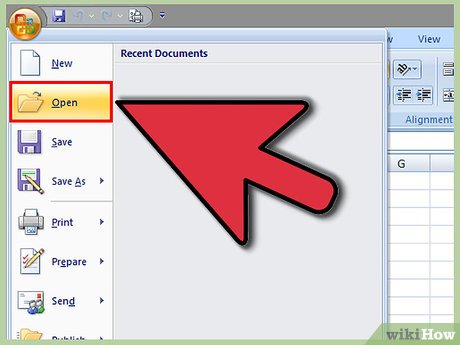 Open the Excel spreadsheet that contains the cells you want locked.
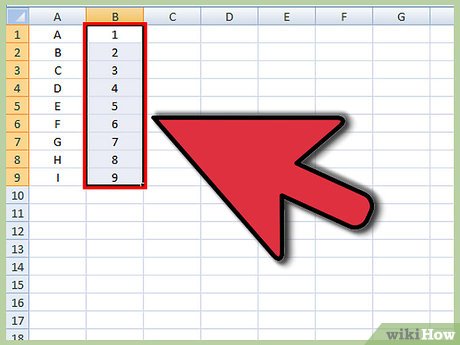 Select the cell or cells you want locked.
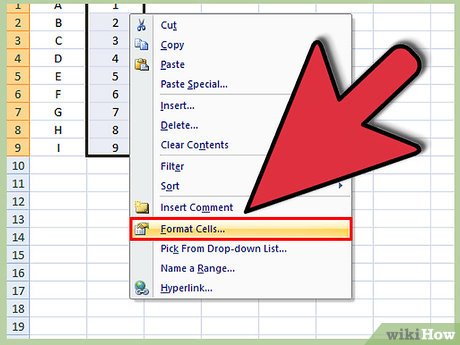 Right-click on the cells, and select "Format Cells. "
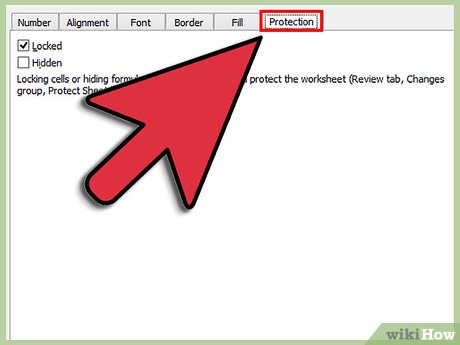 Click on the tab labeled "Protection. "
 Place a checkmark in the box next to the option labeled "Locked. "
 Click "OK. "
 Click on the tab labeled "Review" at the top of your Excel spreadsheet.
 Click on the button labeled "Protect Sheet" from within the "Changes" group.
 Place a checkmark next to "Protect worksheet and contents of locked cells. "
 Enter a password in the text box labeled "Password to unprotect sheet. "
 Click on "OK. "
 Retype your password into the text box labeled "Reenter password to proceed. "
 Click "OK. " The cells you selected will now be locked and protected, and can only be unlocked by selecting the cells once again, and entering the password you selected.
Method 2
Locking and Protecting Cells: Excel 2003
 Open the Excel document that contains the cell or cells you want to lock.
 Select one or all of the cells you want locked.
 Right-click on your cell selections, and select "Format Cells" from the drop-down menu.
 Click on the "Protection" tab.
 Place a checkmark next to the field labeled "Locked. "
 Click the "OK" button.
 Click on the "Tools" menu at the top of your Excel document.
 Select "Protection" from the list of options.
 Click on "Protect Sheet. "
 Place a checkmark next to the option labeled "Protect worksheet and contents of locked cells. "
 Type a password at the prompt for "Password to unprotect sheet," then click "OK. "
 Reenter your password at the prompt for "Reenter password to proceed. "
 Select "OK. " All the cells you selected will now be locked and protected, and can only be unlocked going forward by selecting the locked cells, and entering the password you initially set up.
FAQ
What is How to Lock Cells in Excel about?
It provides a structured overview of cells, explains the main context, and highlights practical takeaways for readers.
Why does this topic matter?
Understanding the main concepts helps readers evaluate the issue, avoid common mistakes, and make better-informed decisions.
How should readers use this information?
Use the guidance as a practical starting point, confirm details that may have changed, and follow current product, safety, or security recommendations.
Related Articles
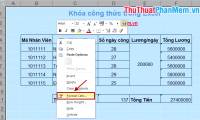 Lock Cells with Formulas in Excel - Lock and Protect Cells3 minutes read
 Merge Cells in Excel: Complete Overview9 minutes read
 Excel Formulas: How to Color Formula Cells in Excel Automatically3 minutes read
 Complete Tutorial of Excel 2016 (Part 5): Basics of Cells and Ranges11 minutes read
 How to Split Cells, Combine Cells in Excel6 minutes read
 How to Calculate and Color Blank Cells in Excel3 minutes read
Reader Comments 0
Sign in with email or Google to join the discussion.