Table of Contents
Explore pm2.5 ultrafine dust is the most dangerous type of dust in the world.
Furthermore, they can poison vital organs such as the lungs, heart, and brain, increasing the risk of death in people with lung cancer and heart disease.
- Air pollution alert: Magnetic debris found in human brain.
- The following 5 inventions could "save" the Earth and humanity.
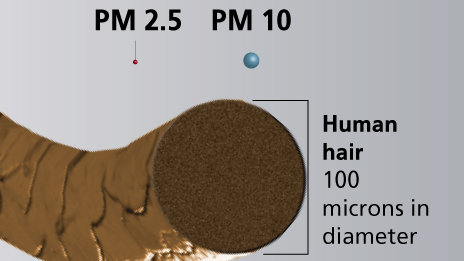 The size of PM 2.5 ultrafine dust particles is comparable to the size of a human hair.
In recent research on PM2.5 fine dust, scientists have found evidence that PM2.5 can "invade" cells and is toxic to the respiratory system; they discovered that black carbon particles can absorb and carry metal ions into the lungs.
According to statistics in China, 183 people die every hour due to smog, which means approximately 4,300 deaths per day, and 1.6 million deaths per year.
According to a GreenID report at the end of 2016, there were times when the PM2.5 dust levels in Hanoi reached 50.5 µg/m3, double the national standard (25 µg/m3), and five times higher than the average annual threshold recommended by the WHO (10 µg/m3).
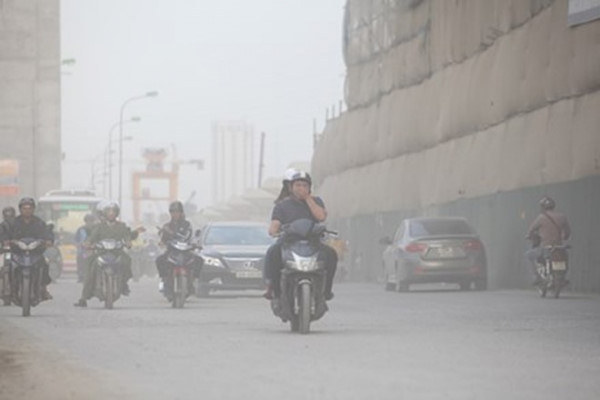
How dangerous is PM2.5 fine dust?
PM2.5 fine dust destroys the body's immune cells
Autophagic cells are a type of self-defense mechanism of the body; they digest harmful substances that enter the body.
Black carbon particles, a component of PM2.5 fine dust, when ingested, carry a large number of metal ions into white blood cells, disrupting the autophagy mechanism within the cells and causing toxicity.
Absorbing many harmful substances into the body
PM2.5 particles are very small in size and have a large total surface area, so they easily absorb air pollutants, making them more toxic and dangerous than other fine particulate matter such as PM10.
When toxins in dust enter the human body, they damage the walls of the lung alveoli, causing the alveoli to lose elasticity and trap air, leading to air trapping in the lungs – one of the symptoms and manifestations of chronic obstructive pulmonary disease (COPD), an incurable condition.
PM2.5 entering the bloodstream can cause myocardial infarction (heart attack)
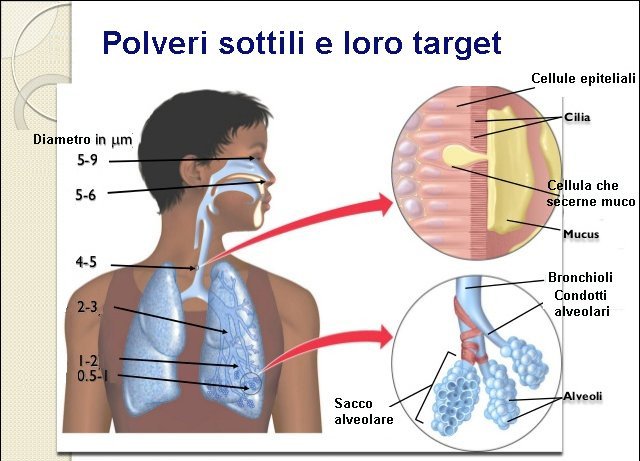 Fine dust can potentially damage vital organs of the body.
PM2.5 can enter the trachea and bronchi, even the lower part of the bronchioles, and the bloodstream, causing very serious health effects, including affecting the nervous system or causing blood clots, leading to acute myocardial infarction.
In addition, the toxic substances in dust can cause anemia or damage to the heart muscle.
PM2.5 may be a cause of brain degeneration
Professor Barbara Maher and her colleagues at Lancaster University, UK, have discovered that large numbers of iron nanoparticles in the brain do not originate from the human body itself but come from the external environment (i.e., polluted air). Professor Barbara Maher suggests that human brain degeneration may be caused by these iron nanoparticles.
How can we protect children from air pollution?
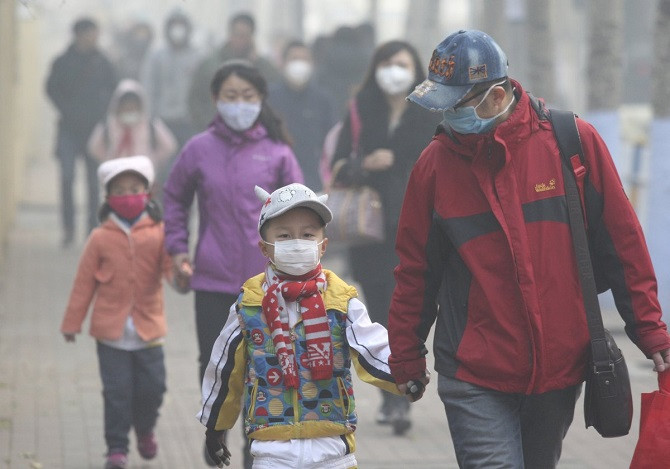
We often wear masks and glasses hoping to reduce our exposure to dust and pollutants in the air. But the truth is, masks can only block some of the fine particulate matter PM10. Ultrafine particulate matter PM2.5 is much smaller than PM10.
Therefore, to protect children from air pollution, parents should avoid taking them outside during peak traffic hours and limit their exposure to cigarette smoke. You can monitor air quality using this guide on how to use AirVisual to accurately measure air pollution and know when the concentration of fine particulate matter in your area is high, and limit outdoor activities during those times.
Regularly expose children to greenery and fresh natural environments during weekend outdoor activities to help balance their bodies.
Feed children plenty of green vegetables and fruits rich in vitamin A, vitamin C, and beta-carotene, such as avocados, sweet potatoes, carrots, papayas, broccoli, animal liver, fish, eggs, and milk, to boost their immune system.
>> You might also be interested in : Items that can protect your health from air pollution
Final Thoughts
Understanding pm2.5 ultrafine dust is the most dangerous type of dust in the world makes it easier to evaluate the information and apply the most relevant recommendations. Focus on the key points above and verify details that may change over time.
FAQ
What is pm2.5 ultrafine dust is the most dangerous type of dust in the world?
Explore pm2.5 ultrafine dust is the most dangerous type of dust in the world.
What key points does this article cover?
The article focuses on How dangerous is PM2.5 fine dust?, PM2.5 fine dust destroys the body's immune cells, Absorbing many harmful substances into the body, with practical explanations and examples.
How can you use this information in practice?
Use the explanations to compare options, verify important details, and make a more informed decision. Apply the recommendations that best match your goals and situation.
Related Articles
 We Are Inhaling Super Fine Dust PM2.5, the Most Dangerous Dust in the World Can Penetrate into Human6 minutes read
 Learn Immediately the Computer Dust Blower That Is Loved by4 minutes read
 Items That Can Protect Your Health from Air Pollution4 minutes read
 Dangerous Malicious Code, Capable of Self-mutating4 minutes read
 The World's Smallest Chip, Fits in a Needle to Inject into3 minutes read
 What Is Fine Dust? the Harmful Effects of Inhaling Ultra-fine7 minutes read
Reader Comments 0
Sign in with email or Google to join the discussion.