Table of Contents
This updated guide examines Send Video Email: How to Email Videos on Gmail and organizes the essential facts, background, and practical takeaways in clear American English.
Besides, the service also has the option to create personal videos, when users access Vlipsy to create videos. The video created can also be taken with the embed code or downloaded for use. The following article will show you how to send videos in Gmail.
- How to send large video over the network?
- How to send an email that exceeds the size limit?
- Instructions for using secret mode when sending email on Gmail
- How to insert links to images on Gmail
Instructions for sharing short videos in Gmail
Step 1:
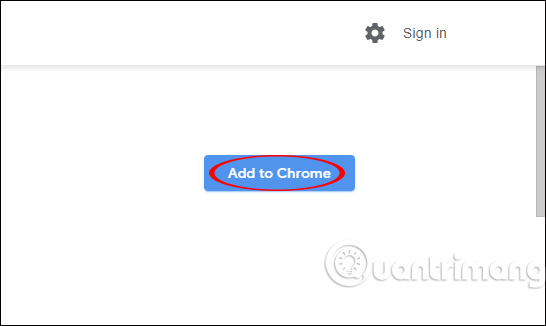
Users install Vlipsy for Gmail utility under the link below to install on Chrome.
- Download Vlipsy utility for Gmail Chrome
Step 2:
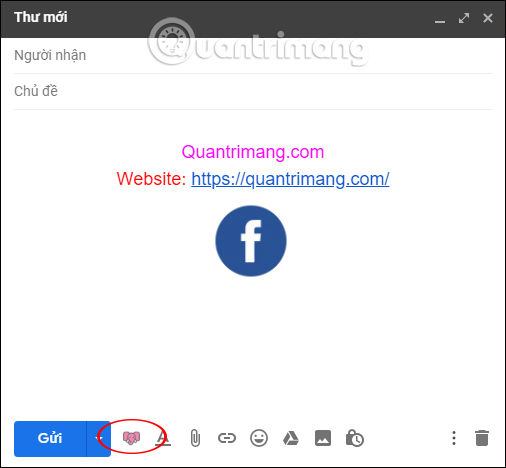
Next we open a personal email and then click the Compose message button as usual. In the compose interface you will see the elephant icon of Vlipsy for Gmail utility.
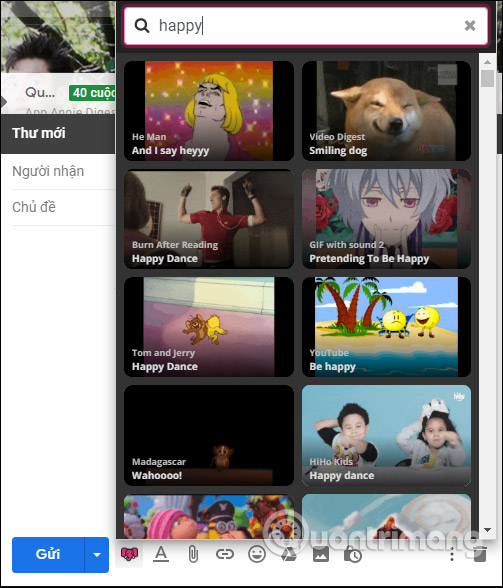
When we click on the elephant icon will display a list of short videos that Vlipsy for Gmail utility supports. New videos are always displayed at the top of the list. You can enter the keyword topic of the video you want to find.
Step 3:
Display the video interface, click Insert into Email to insert the video into the email content.
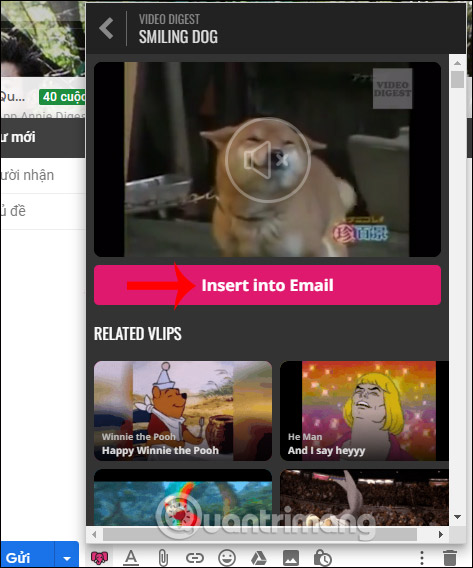
Video when inserted into Gmail will display as an animation and no sound.
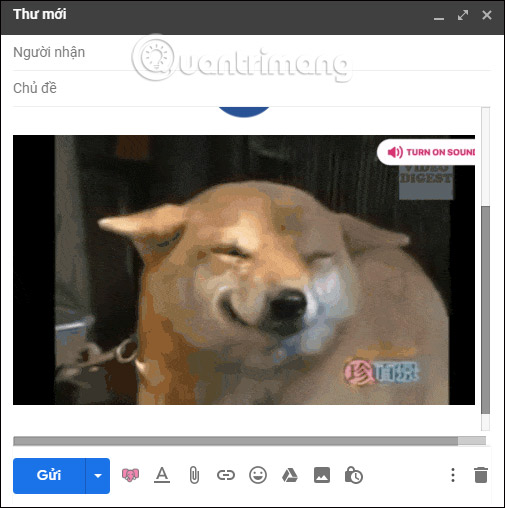
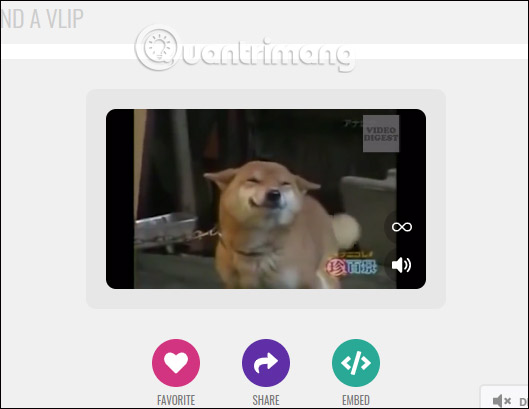
When the recipient sees the email, they can access the Vlipsy website to watch and listen to video audio if there is audio.
Step 4:
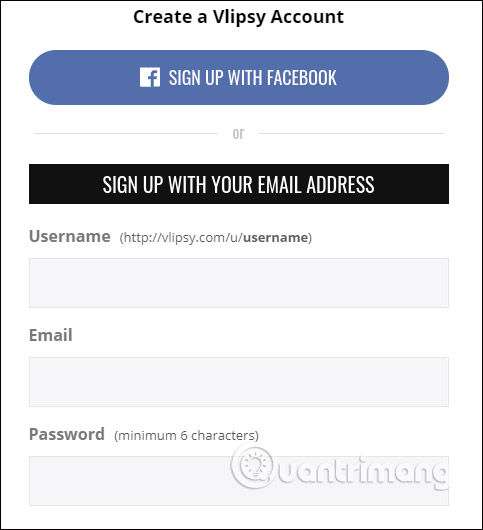
To create your own video, users access Vlipsy homepage and click Sign up to create personal account. Subscribers need to confirm their account via email. Or we can register via Facebook account.
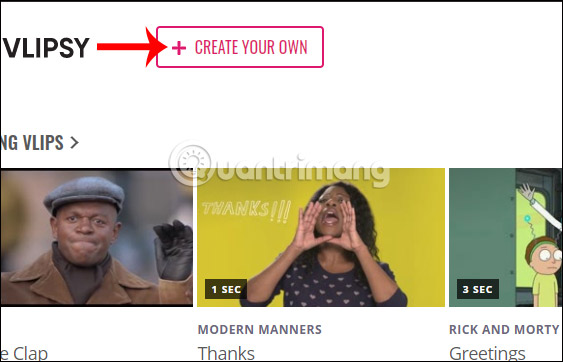
At the video interface, click on Create Your Own to create a personal video.
Step 5:
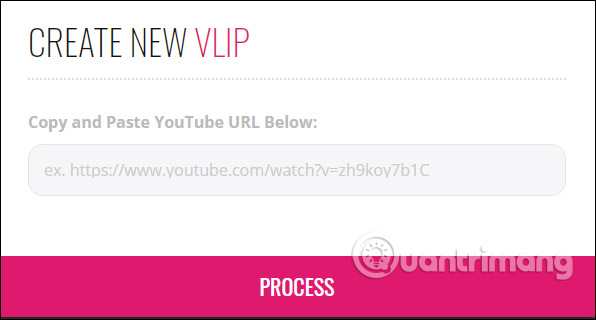
Next, enter the YouTube video URL and then press Process to proceed with selecting the video.
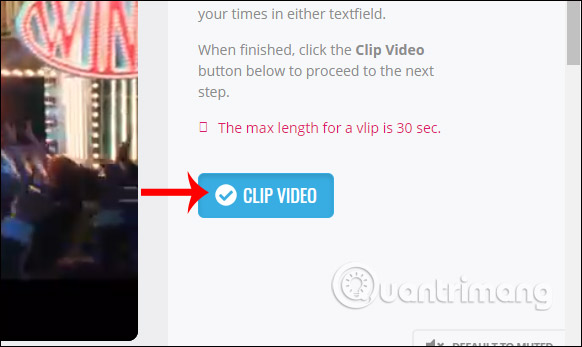
Display the new interface, you select the 30-second dark skin for video and then click Video Clip.
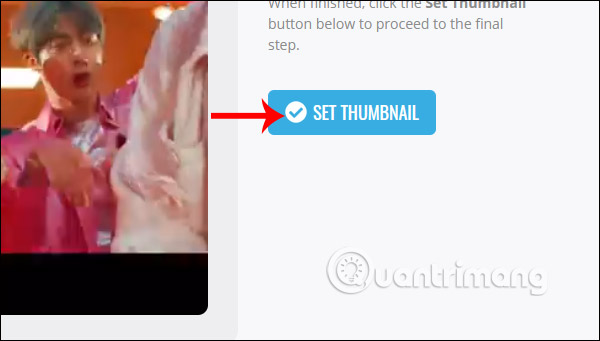
We select the thumbnail for the video through the timeline, select the segment below. After selecting, click Set Thumbnail as shown.
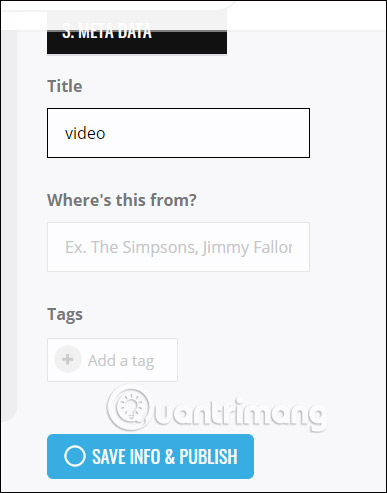
Finally, users add information about the video and click Save Info & Publish to proceed to export the video.
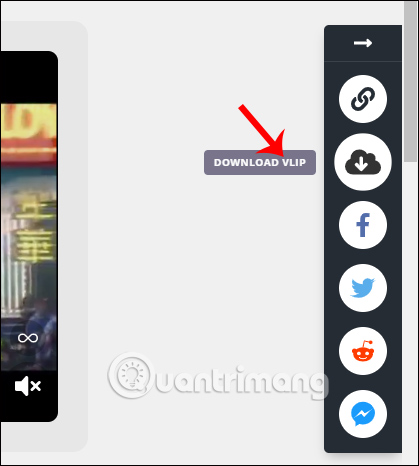
In the video playback interface, click on the share icon and select Download vlip if you want to download the video.
Vlipsy for Gmail utility creates additional content options to send new emails to users. The videos displayed in the email are defaulted and when you click the video you will hear the full sound.
I wish you all success!
FAQ
What is Send Video Email: How to Email Videos on Gmail about?
It provides a structured overview of send video email, explains the main context, and highlights practical takeaways for readers.
Why does this topic matter?
Understanding the main concepts helps readers evaluate the issue, avoid common mistakes, and make better-informed decisions.
How should readers use this information?
Use the guidance as a practical starting point, confirm details that may have changed, and follow current product, safety, or security recommendations.
Related Articles
 How to Update the New Gmail Interface If Your Gmail Has Not Been4 minutes read
 How to Add a New Email Address to Your Gmail Contacts5 minutes read
 What's New in Gmail 4.0 for iOS?3 minutes read
 Google Allows Email to Be Self-destruct in Gmail Updates3 minutes read
 14 Useful Tools for Gmail Should Not Be Ignored - P210 minutes read
 Google Launched a New Feature That Makes Gmail Even More Useful and Interactive7 minutes read
Reader Comments 0
Sign in with email or Google to join the discussion.