Table of Contents
Follow the instructions below to connect laptop to TV? 5 ways to connect the TV to laptop efficiently and safely. Each section focuses on the actions, settings, and troubleshooting details that matter most.
The need to transfer images, videos or any data from computers to televisions has long been extremely popular. With the office work environment, if the school doesn't have a projector, we can connect the laptop to the TV to show the content.
Currently, there are many ways to transfer content from a laptop to a television such as using a traditional wired, wireless connection or using dedicated applications for TVs such as Samsung, LG, etc. In the article Below, we will synthesize ways to connect TV to laptop.
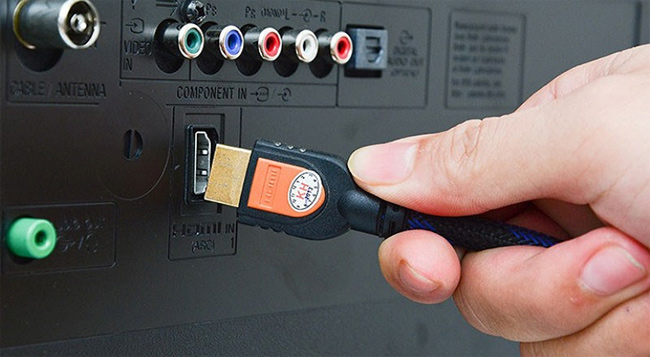
1. Connect the TV to the laptop via HDMI port
HDMI (High Definition Multimedia Interface) is a high quality and popular connection standard for a long time. We can connect laptop, phone,. to TV transmitter, projector,. You will use the connecting cord and through HDMI port to connect data between two devices. Images, sound or any content can be transferred to the TV quickly.
To be able to connect using HDMI, you need to check the TV and computer with HDMI connection. If the TV does not have HDMI, use a switch (HDMI - VGA). HDMI cable or HDMI transfer cable - VGA.
Readers can refer to the article How to connect a laptop to a TV with HDMI port to know how to connect.
2. Connect using Wi-Fi Direct
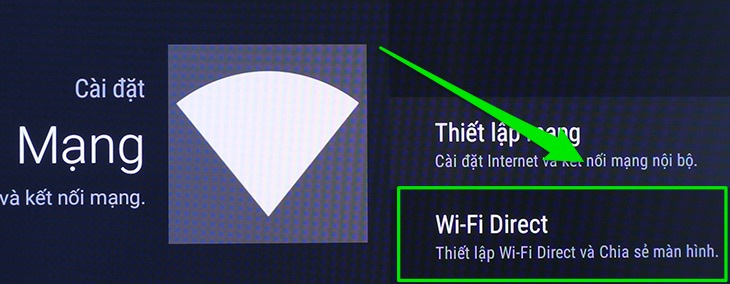
Wi-Fi Direct is a wireless connection that transfers data directly between devices without the need for an Internet connection. Through Wi-Fi Direct, we can use the connectivity features between laptop and TV like DLNA, Google Cast (used on Sony TV Android).
3. Connect to Wi-Fi Display
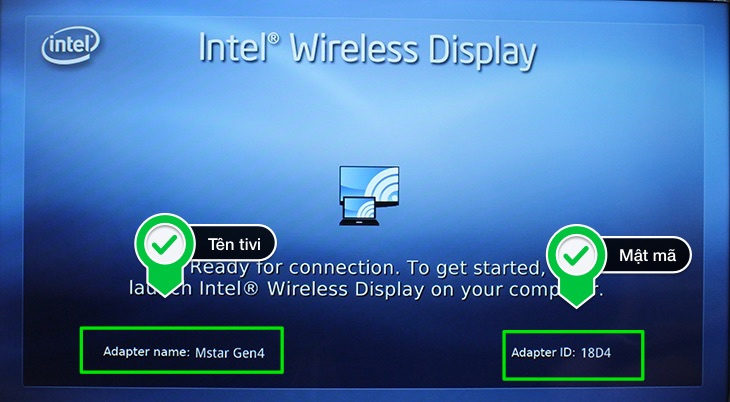
Wi-Fi Display or Wireless Display is Intel's wireless connection standard, which allows projection of screens from laptops to TVs that support Widi.
To transfer data from laptop to TV using Wi-Fi Display, laptop running Windows 7 or higher operating system uses Intel Core i3, 6, 7 generation 2 and above and use Intel Wi-Fi card. The television must be connected to the network and connected to the laptop via a public network.
4. Connect via DLNA
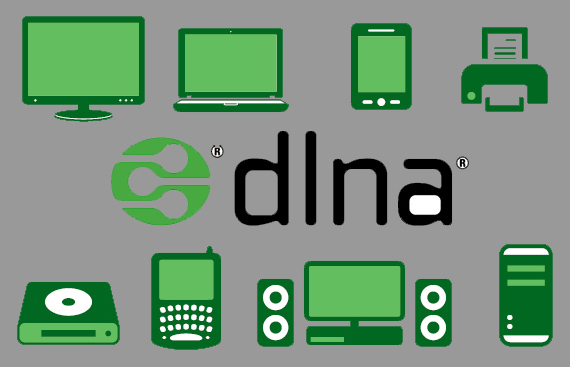
DLNA (Digital Living Network Alliance) is connecting and sharing in-network data, allowing sharing high-quality images between phones and TVs. DLNA-enabled devices must also connect to an Internet or use Wi-Fi Direct.
To be able to use DLNA connection, the computer uses Windows operating system. TVs need to support DNLA connectivity. Next you make the connection according to the article below.
- How to transfer photos from a laptop to a TV using DLNA
5. Samsung Smart View connects data on Samsung TVs
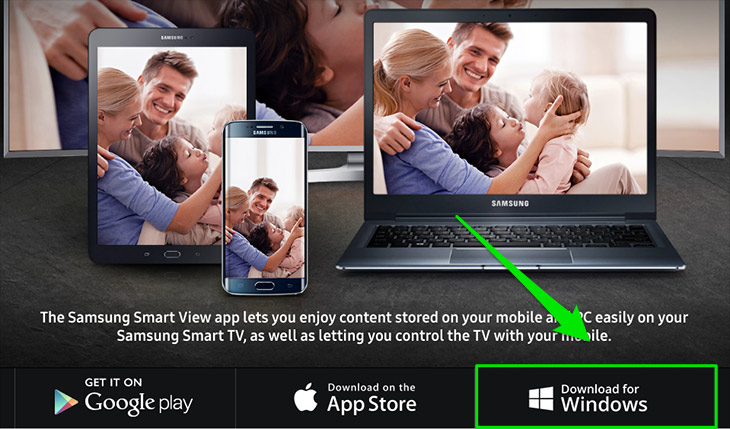
With Samsung Smart TV Tizen interface, we can use Samsung Smart View application released by Samsung to transfer data such as images, videos, music from laptops to Samsung TVs. Readers follow the article How to transfer images from laptops to Samsung Smart TVs. This will only apply to Windows 7 or later computers.
These are 5 ways to connect the TV to a laptop and transfer data from the computer to the television screen. These connections make it easier and faster to transfer images, videos and documents from computers to TVs. However, depending on the type of TV as well as the computer, we choose the way to connect, slide the laptop to the appropriate TV to achieve efficiency in data transfer.
Hope this article is useful to you!
FAQ
What should I prepare before I connect laptop to TV?
Review the requirements in the guide, confirm that your device or software is compatible, and save important work before changing settings related to connect laptop to TV.
Why might connect laptop to TV not work as expected?
The most common causes are incompatible versions, missing permissions, incorrect settings, or an interrupted internet connection. Recheck each step and restart the app or device when appropriate.
Can beginners follow these connect laptop to TV steps?
Yes. Follow the steps in order, avoid skipping confirmation screens, and compare your interface with the screenshots because labels may differ slightly between versions.
Related Articles
 Top Most Popular Ways to Connect Laptop to TV8 minutes read
 How to Connect Laptop to TV via HDMI Port6 minutes read
 How to Transfer Photos from a Laptop to a TV Using DLNA5 minutes read
 How to Connect the Projector to a Computer, Laptop7 minutes read
 How to Quickly Connect Bluetooth Headphones to a Laptop9 minutes read
 How to Connect Two Monitors to a Laptop10 minutes read
Reader Comments 0
Sign in with email or Google to join the discussion.