Table of Contents
Explore 5 pioneering Linux distributions that disappeared over time.
No operating system lasts forever. This article looks at distros that once offered bold ideas, but for various reasons have fallen off the modern Linux map.
Yggdrasil Linux/GNU/X
Today, running a Linux distro directly from a USB stick or installation disc is commonplace. But in the early 1990s, it was a novelty. Yggdrasil Linux/GNU/X was the first distribution to provide a complete Linux system that could be run directly from a CD-ROM, going beyond the simple 'root-boot' files of the time.
Back when DOS was still king and Windows was becoming the dominant environment, Unix systems like Xenix were too expensive. At just $99, or even free if your software was part of a collection, Yggdrasil offered users the chance to get a full Linux experience at a low cost—a very attractive option at the time.
Softlanding Linux System (SLS)
Like Yggdrasil, Softlanding Linux System (SLS) was one of the first commercial distros. Developed in 1992 by Peter MacDonald, just a year after Linus Torvalds released the first Linux kernel, SLS quickly became known for its rather 'unusual' slogan: 'A safe harbor for those fleeing DOS.'
Despite providing a complete Linux kernel, GNU utilities, and X Window server, SLS was notorious for… being buggy. MacDonald was left to carry the project almost entirely on his own, making the distro difficult to install and operate. The frustration with SLS was so great that it inspired Ian Murdock to create Debian and Patrick Volkerding to create Slackware—the two oldest distributions still going strong today. SLS ended its life in 1994.
CentOS
CentOS (Community Enterprise Operating System) was once a favorite of the server community. It is essentially a 'clone' version of Red Hat Enterprise Linux (RHEL), based entirely on open source code published by Red Hat but without the RHEL branding. Launched in 2004, CentOS quickly became a stable, free solution for small businesses or those who wanted to learn RHEL without paying licensing fees.
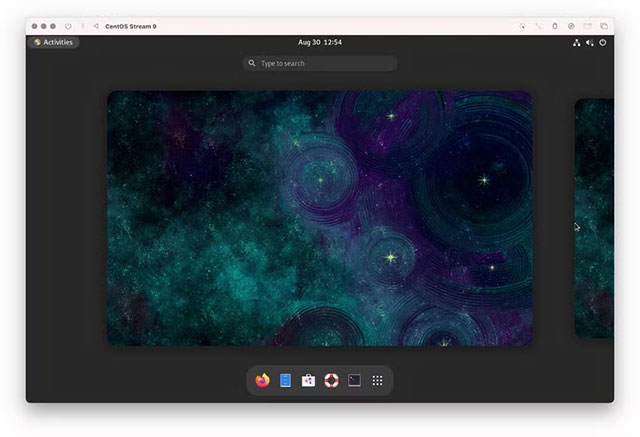
Red Hat later joined CentOS support, but kept its distance. However, the decision to kill off traditional CentOS in favor of CentOS Stream—a rolling release that serves as the upstream for RHEL—sparked a backlash from the community. The result was a slew of successors: Rocky Linux, AlmaLinux, and even Oracle Linux sought to lure back former CentOS users. While CentOS Stream still exists, the legacy CentOS has faded.
MkLinux
Before macOS, Apple had another Unix-like operating system: A/UX. But by the mid-90s, when the Copland project hit a dead end and the classic macOS was showing its limitations, Apple needed a new direction. At that time, Linux was starting to gain traction in academia, and Apple decided to sponsor the MkLinux project with the Open Software Foundation (OSF).
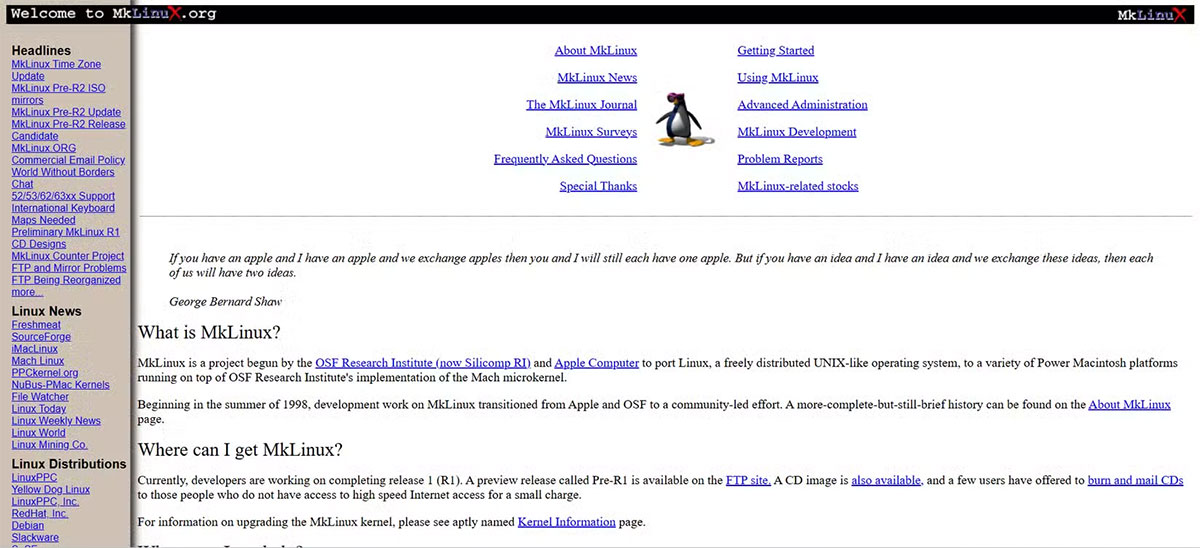
MkLinux ran on PowerPC and combined the Linux kernel with the Mach microkernel architecture — the same platform that macOS would later use. While it attracted a technical audience, MkLinux was quickly abandoned when Steve Jobs returned to Apple and made NeXTSTEP (which used the Mach kernel) the main platform. The MkLinux website still exists, largely 'inactive' since the dot-com era, with its nostalgic 3D dancing penguin mascot.
Yellow Dog Linux
Yellow Dog Linux is also a PowerPC distro, based on Red Hat Linux and is very popular in the 'hardcore' Mac community. In addition to Macs, it also runs on PowerPC gaming systems like the PlayStation 3, making hardware enthusiasts extremely excited.
However, when Apple switched to Intel architecture and then Apple Silicon, and Sony removed the ability to install other operating systems on the PS3, Yellow Dog quickly lost its foundation of existence. The distro's YUM package manager was later inherited by many Red Hat-based distributions before being replaced by DNF.
While it's a bit sad to see a Linux distribution go away, Linux's openness helps the ideas from these projects live on—in the modern distros they inspire.
Final Thoughts
Understanding 5 pioneering linux distributions that disappeared over time makes it easier to evaluate the information and apply the most relevant recommendations. Focus on the key points above and verify details that may change over time.
FAQ
What is 5 pioneering linux distributions that disappeared over time?
Explore 5 pioneering Linux distributions that disappeared over time.
What key points does this article cover?
The article focuses on Yggdrasil Linux/GNU/X, Softlanding Linux System (SLS), CentOS, with practical explanations and examples.
How can you use this information in practice?
Use the explanations to compare options, verify important details, and make a more informed decision. Apply the recommendations that best match your goals and situation.
Related Articles
 The Best Linux Distributions for Raspberry Pi6 minutes read
 What Is the Difference Between Linux Distributions?7 minutes read
 Don't Switch to These 5 Linux Distros When Leaving Windows 10!: Key Facts6 minutes read
 11 Best Linux Distributions for Programmers9 minutes read
 Top 8 Most Beautiful Linux Distributions in 20229 minutes read
 3 Main Types of Linux Distributions That You Should Know7 minutes read
Reader Comments 0
Sign in with email or Google to join the discussion.