Table of Contents
If you're thinking about switching to Linux, avoid these 5 distributions until you know what you're doing.
Whether you like it or not, Windows 10 is going away, and it's time to pick a new operating system. When Windows 10 reached the end of support, many people decided to leave Windows behind for good. The only viable option was Linux, and there were dozens of distributions to choose from.
Many of these Linux distributions are easy to use, even if you've never used Linux before. However, Linux is an operating system that gives users more control over every aspect of their computer. So if you're thinking about switching to Linux, avoid these five distributions until you know what you're doing.
5. Linux From Scratch
Linux From Scratch (LFS) is by far one of the most difficult Linux distributions you'll ever use. In fact, it's not even technically a distribution, but more of a guide that shows you how to build your own Linux system entirely from source code. It's called Linux From Scratch for a reason.
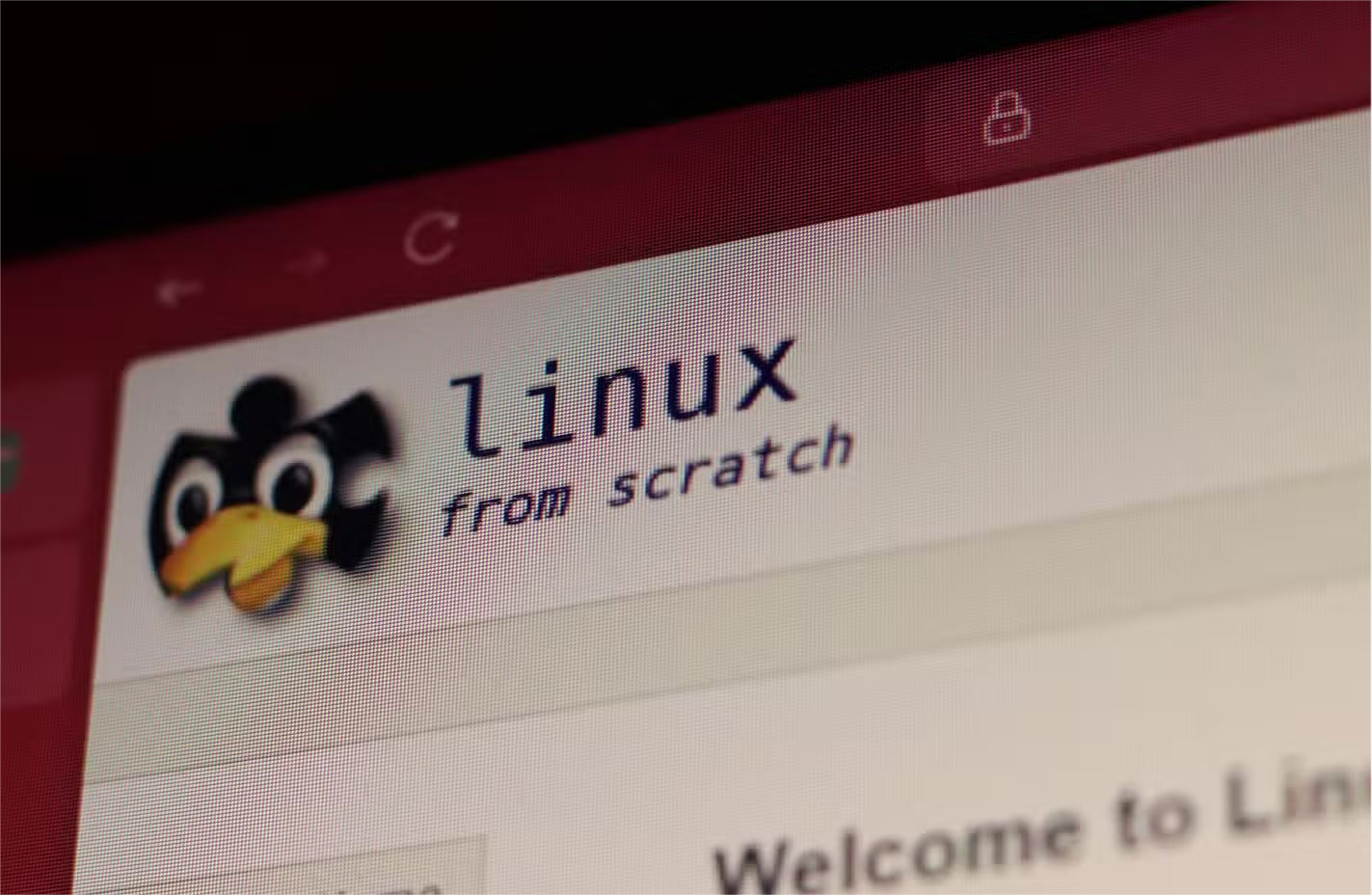
Since you'll be compiling the operating system and most of the software You should use yourself, LFS also has some pretty hefty resource requirements. The LFS FAQ recommends at least a quad-core CPU and 8GB of RAM, but in practice you'll want a much more powerful CPU and more RAM if you don't want to wait days for the software to finish compiling.
4. Gentoo Linux
Where Patience Becomes Meaningless
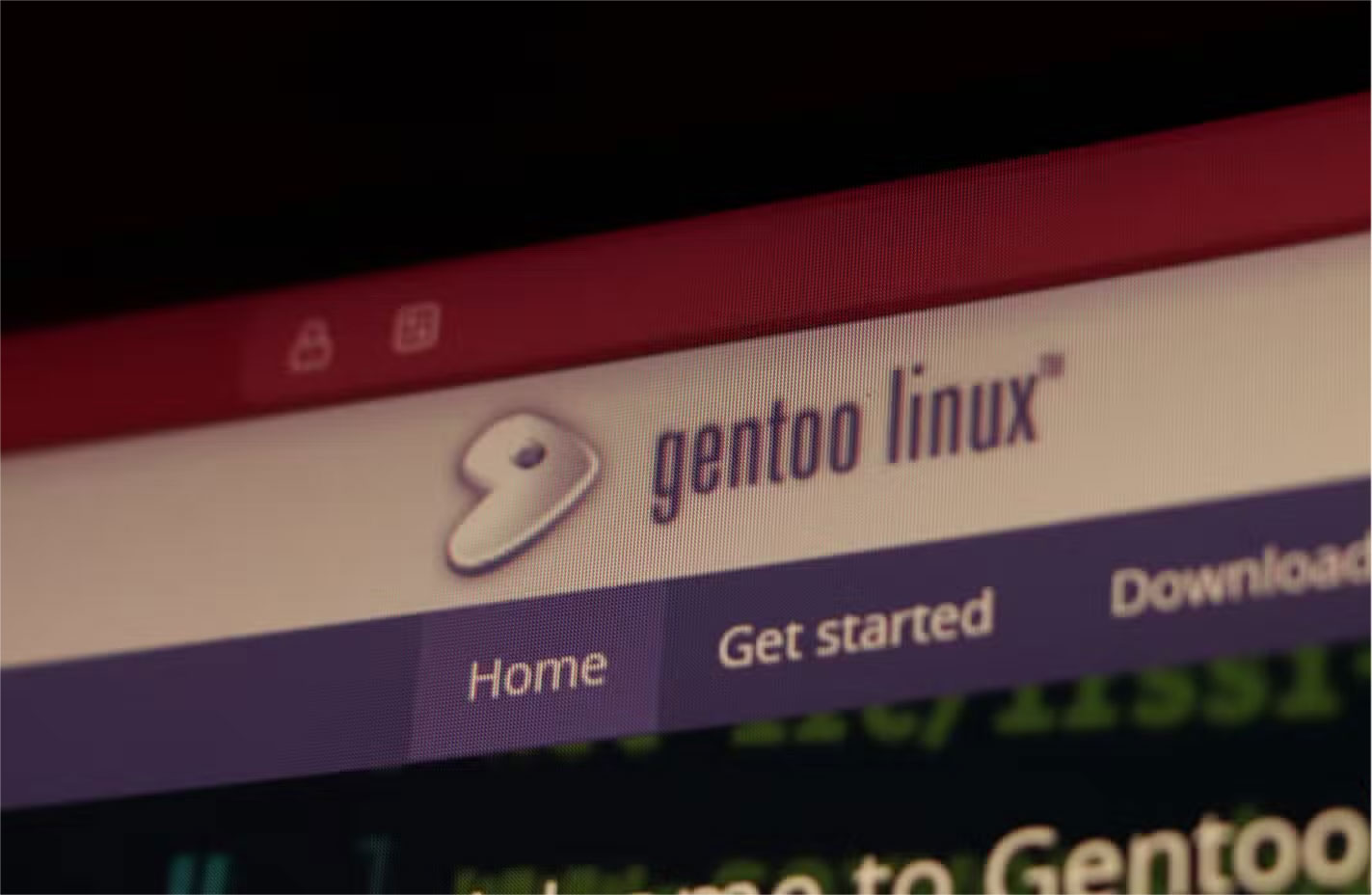
Gentoo Linux operates on the philosophy of compiling every piece of software you use from its source code, ensuring it is specifically optimized for your hardware. While that may sound great for computer performance, it also means waiting hours, even days, for all of your software to compile and hopefully be bug-free.
3. Arch Linux
Find out for yourself
Arch Linux takes a completely different approach to difficulty. You don't have to spend hours compiling software, but Arch assumes you already know what you're doing. If you're switching from Windows to Linux for the first time, Arch will be a pain to use. It feels like being thrown into a lake filled with command line interfaces and wikis that assume you know everything.
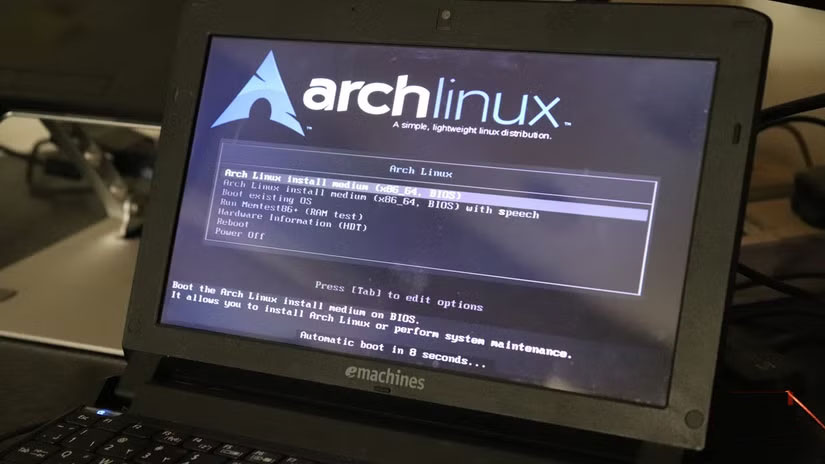
In terms of hardware, Arch is one of the most lightweight Linux distributions available. So you can run it on most computers. However, since there is no graphical installer, you will have to dive headfirst into terminal commands.
2. OpenBSD
The Spartan Warrior of Operating Systems
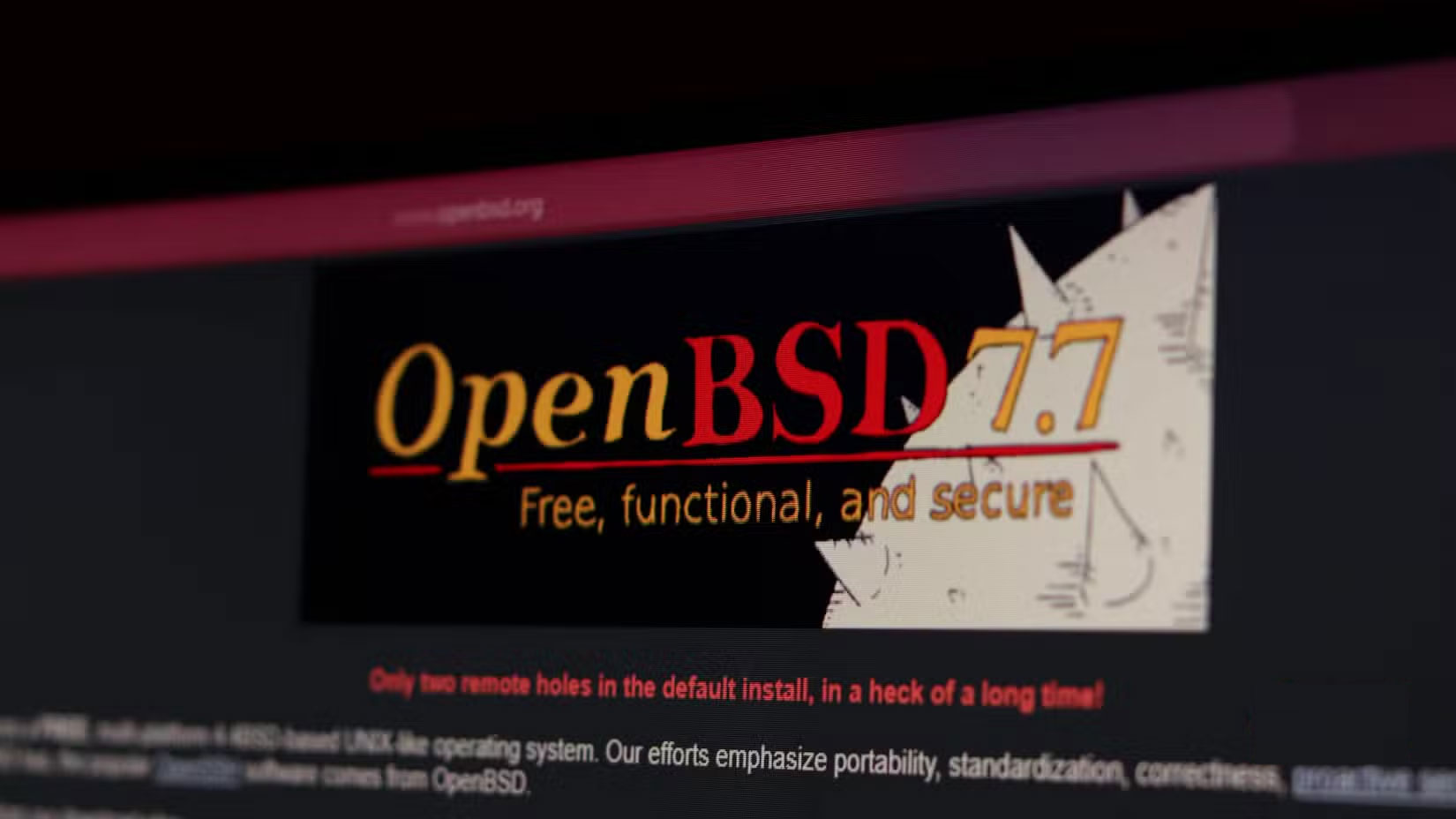
OpenBSD isn't technically Linux - it's a completely different, Unix-like operating system that makes Arch look user-friendly. OpenBSD was designed with security as a top priority. This sounds great until you realize that the developers also seem to consider user experience a security flaw.
Of course, the installation is text-based and assumes you are very familiar with Unix concepts. The OpenBSD manual is also very poor (it opens with a search bar on a blank page). It took about 10 minutes to figure out how to use the manual.
1. Debian Sid (Debian Unstable)
Fast, fresh and extremely perishable
Debian Sid is the development branch of the Debian distribution where new packages are put before being tested for the next stable release. The distribution is named after the Toy Story character Sid, the neighborhood boy who loved to destroy toys and turn them into hideous creatures.
Surprisingly, Debian Sid isn't as unstable as its name suggests. However, when it breaks, it really does stop working completely. Packages can become un-uninstallable, entire desktop environments can disappear overnight, or entire parts of your operating system can stop working. Every day you use this distro is a gamble. On a bad day, be prepared for a lengthy repair session.
Windows users are used to relatively predictable update cycles and GUI troubleshooters that help them troubleshoot problems. On Debian Sid, when something breaks, the developers often assume you know how to fix it.
FAQ
What should you know about don't switch to these 5 linux distros when leaving Windows 10!?
In practical terms, if you're thinking about switching to Linux, avoid these 5 distributions until you know what you're doing.
Why does don't switch to these 5 linux distros when leaving Windows 10! matter?
The article highlights that when Windows 10 reached the end of support, many people decided to leave Windows behind for good.
What is the main takeaway?
The main takeaway is that if you're switching from Windows to Linux for the first time, Arch will be a pain to use.
Related Articles
 3 Main Types of Linux Distributions That You Should Know7 minutes read
 Which Linux Distros Will Windows 10 Put Into Windows 10?4 minutes read
 10 Best Linux Distros for Developers9 minutes read
 Why You Won't Regret Leaving Windows for Linux8 minutes read
 Linux Distro for New, Easy to Use, Beautiful11 minutes read
 Top 3 Distros for Linux for Beginners7 minutes read
Reader Comments 0
Sign in with email or Google to join the discussion.