Table of Contents
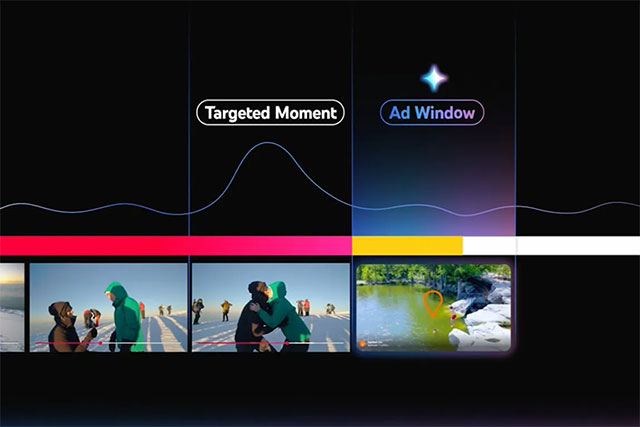
This updated guide explores YouTube starts using AI to turn ads into an unavoidable 'trap' with practical details, clear explanations, and useful takeaways. In an effort to boost ad revenue, YouTube has announced plans to deploy AI to optimize ad placements so viewers cannot skip them. At the Brandcast 2025 event in New York, the platform revealed that it will use Gemini AI to analyze videos and identify 'Peak Points' – when viewers.
The AI's ad "trapping" mechanism will basically be based on these aspects:
- Climax Detection : AI analyzes video content to find the most engaging moments (e.g. movie climax, song climax) where viewers are less likely to skip despite ads.
- In-depth analysis : Not just relying on the playback graph on the rewind bar, AI will evaluate multiple factors such as facial expressions, audio, and user behavior to determine the optimal position.
- "No escape" strategy : YouTube did not reveal whether the ad is skippable or the specific length, but analysts predict it will be a long, non-skippable ad placed at a key time.
For viewers, this is clearly an annoying change that will force them to consider upgrading to YouTube Premium (no ads). YouTube has been experimenting with new ways to entice users lately, such as airing NFL Week One in Brazil (September 5) for free without a subscription, or launching a cheaper Premium plan with fewer ads.
At the same time, for creators and advertising companies, creator content can increase revenue thanks to well-placed ads, but advertising effectiveness (CTR) still depends on the relevance of the product to the viewer.
YouTube is continuing to crack down on ad blockers, especially on the Chrome browser. At the same time, the platform is testing a limited ad-free preview as a "bait" for users to experience before paying.
With AI taking control of ad length and placement, YouTube is turning ads into mandatory 'barriers' rather than skippable distractions. This move may have users reacting negatively, but it also opens up greater monetization opportunities for creators — as long as they're willing to compromise the viewer experience.
FAQ
What is the main takeaway about YouTube Starts Using AI to Turn Ads into an Unavoidable 'trap'?
The key is to understand the core idea, compare the available options, and apply the practical guidance that matches your situation.
What should beginners know about YouTube Starts Using AI to Turn Ads into an Unavoidable 'trap'?
Start with the essential steps and terminology. Avoid changing advanced settings until you understand how they affect performance, privacy, cost, or compatibility.
How can I use this information in practice?
Follow the relevant section in order, test one change at a time, and confirm the result before moving to the next step or recommendation.
Related Articles
 What Is Trap: What Is a Trap? Trap Has Any Meaning4 minutes read
 How to Turn Off Autoplay Previews on YouTube: Step-by-Step Guide3 minutes read
 How to Turn on and Off IDM Starts with Windows 102 minutes read
 With a Simple Trap, the Boy Caught the Bird Bigger Than His Own2 minutes read
 Turn Off YouTube Ads, Block YouTube Ads, Remove Ads on YouTube4 minutes read
 5 Simple Tweaks That Will Make YouTube on TV Better Instantly: Key Takeaways7 minutes read
Reader Comments 0
Sign in with email or Google to join the discussion.