Table of Contents
From turning their router into the ultimate backup hub to plugging in an SSD every week to move files around, they love manual backups, and so should you.
Manually backing up your files in 2025 seems ridiculous. Most people trust their data to the cloud. Photos are backed up to Google Photos as you take them, work documents are automatically saved and synced across devices, and even your memes are safely stored on a server somewhere.
But many people choose the opposite path. From turning their router into the ultimate backup hub to plugging in an SSD every week to move files, they prefer manual backups, and so should you.
Why not completely trust the cloud?
From power outages to privacy issues, cloud storage isn't a perfect solution
Cloud storage has come a long way, and the convenience is unmatched. But the more you rely on automatic, always-on backups, the more distance you put between you and your data. For many people, that's a little scary.
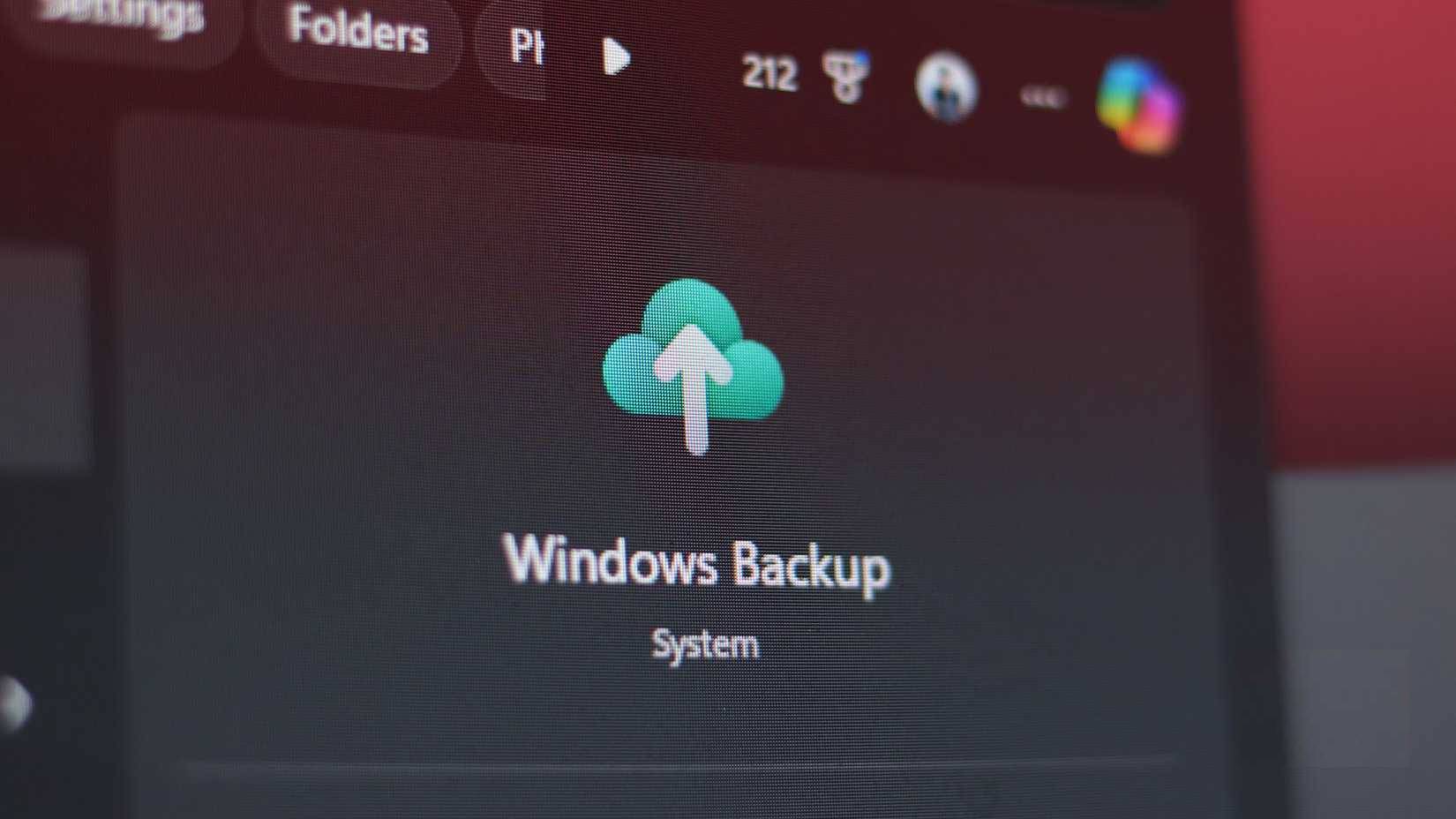
Take privacy, for example. Every time you upload something to the cloud, you are entrusting your data to a company. Most popular cloud services like Google Drive, OneDrive, or Mega promise security, encryption, and compliance. However, accidents happen, and data breaches are not unheard of. With manual backups, you know exactly where your files are. If you have sensitive information that needs to be kept safe, backing up to a physical drive that you carry with you is the safest bet.
Another problem with the cloud is that you need an internet connection to access it. I've seen people scroll through their Google Photos library to find an old photo of a document or memory, then wait for it to download before they can view it. It might seem inconvenient to plug in an external hard drive every time You should access an old file, but once you plug it in, you don't have to wait.
Offline backup is more reliable
Offline backups are always fast, reliable, and always accessible
One common lie we hear about cloud backup automation is that once you set it up, it will work forever. Anyone who has dealt with corrupted backups, sync conflicts, or cloud accounts locked for 'suspicious' activity knows that it's not as foolproof as companies claim.
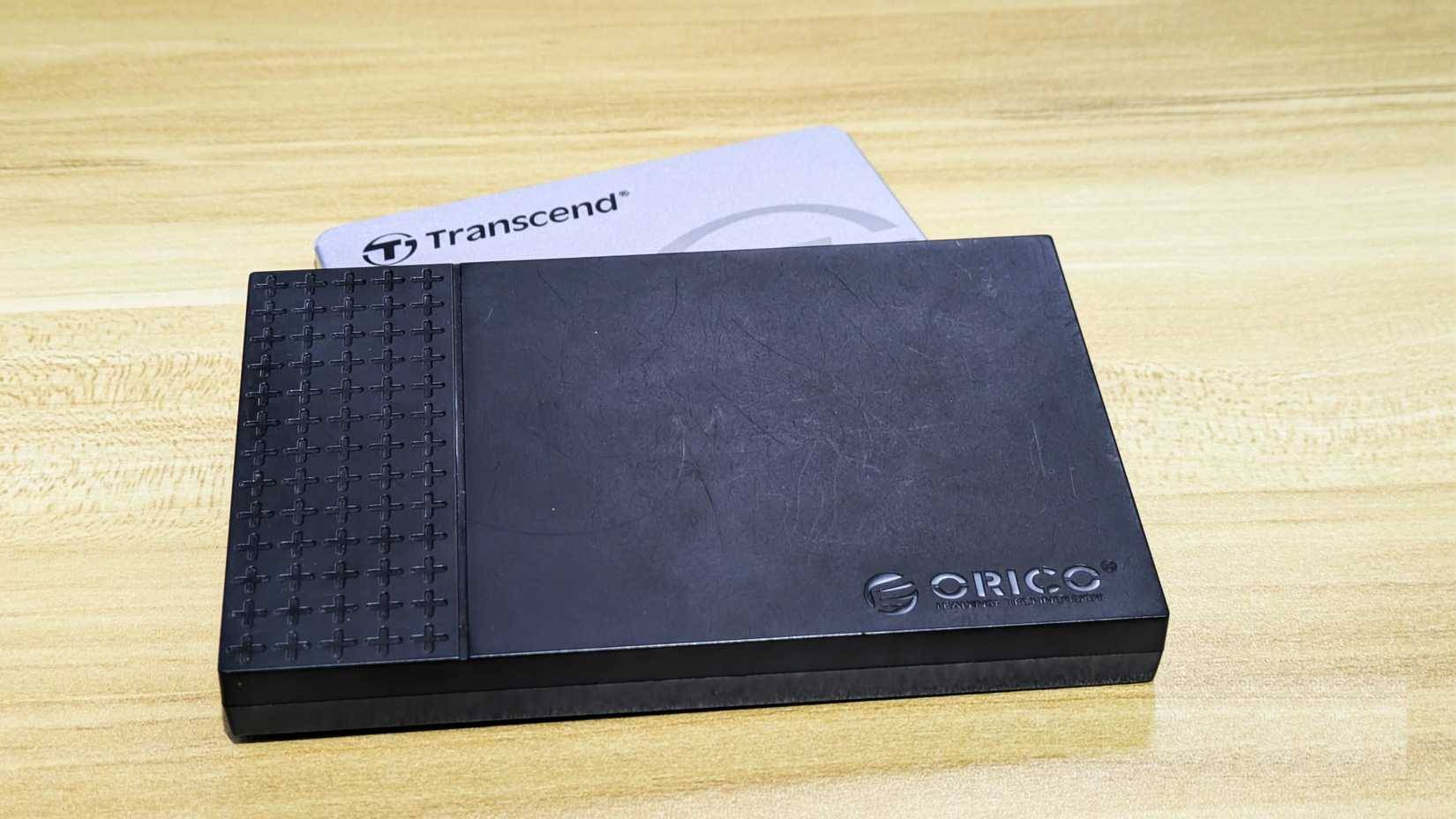
You can't resist automation. In fact, many routines should be automated, from local backups to controlling your home's lights. But when it comes to data you'd be heartbroken to lose—old family photos, personal articles, legal documents—it's uncomfortable to trust an anonymous process to not occasionally fail.
Sync issues between devices are the most common problem users encounter. Sometimes a folder might not appear in the correct location or automatic syncing might not work. It's important to test your online backups to make sure they're working before you find out your entire cloud backup is useless.
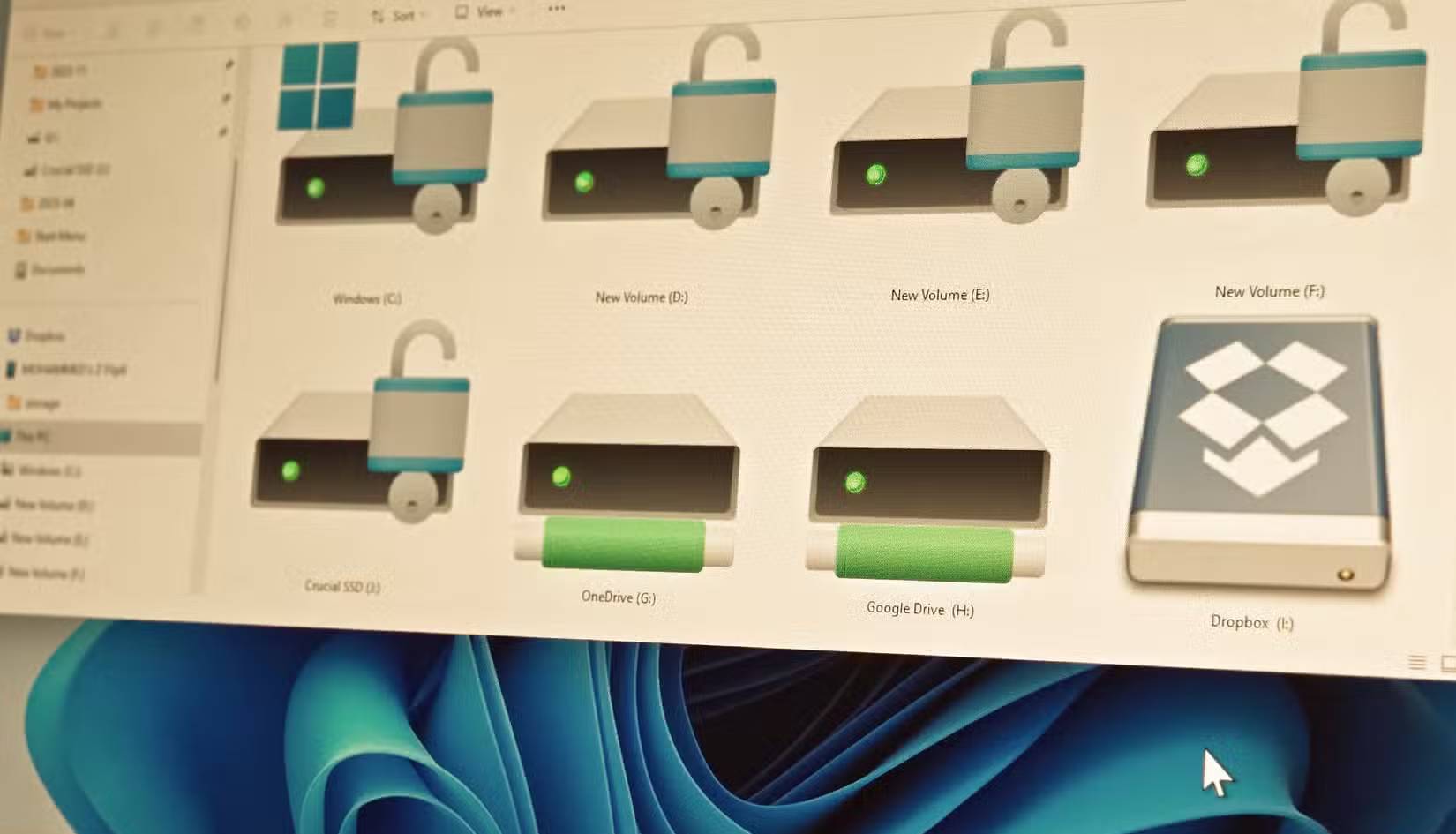
Every manual backup becomes a little tech check. You always know where a particular file is stored, meaning your entire digital life, from the time you first started backing up, is safely stored on your trusty SSDs, now tucked away in a desk drawer.
And if that's not enough, good Network Attached Storage (NAS) systems aren't that expensive anymore. You can also turn an old laptop or PC into a NAS, making the most of a seemingly useless computer while also safely backing up your data. In fact, you can create a simple NAS with just a USB drive and a router.
Manual backups are still important
It's also worth hitting the "copy" button yourself.
This article is not saying that manual backups are the only way to store data. We should still use cloud storage, but not for important files. The most important files should be backed up locally, manually weekly, or monthly, depending on when your last backup was made and what has changed since then.
So the next time you use a cloud storage service to back up your important data, remember that there is no cloud; it's just someone else's computer. Sometimes, being proactive is the smartest move in a digital world where things can change overnight.
FAQ
Why Are So Many People Still Backing up Files Manually in 2025: Explained?
In practical terms, from turning their router into the ultimate backup hub to plugging in an SSD every week to move files around, they love manual backups, and so should you.
What factors are most important?
The article highlights that but many people choose the opposite path.
What is the main takeaway?
The main takeaway is that the most important files should be backed up locally, manually weekly, or monthly, depending on when your last backup was made and what has changed since then.
Related Articles
 How to Automatically Backing Up Folders to Google Photos3 minutes read
 The Most Important Things When Backing Up Your Computer6 minutes read
 What Files on the Computer Need to Be Backed Up?11 minutes read
 How to Delete Dll Files5 minutes read
 Fix Missing File * .Dll Manually and Software Dll-files8 minutes read
 Backup: How to Back up a Computer12 minutes read
Reader Comments 0
Sign in with email or Google to join the discussion.