Table of Contents
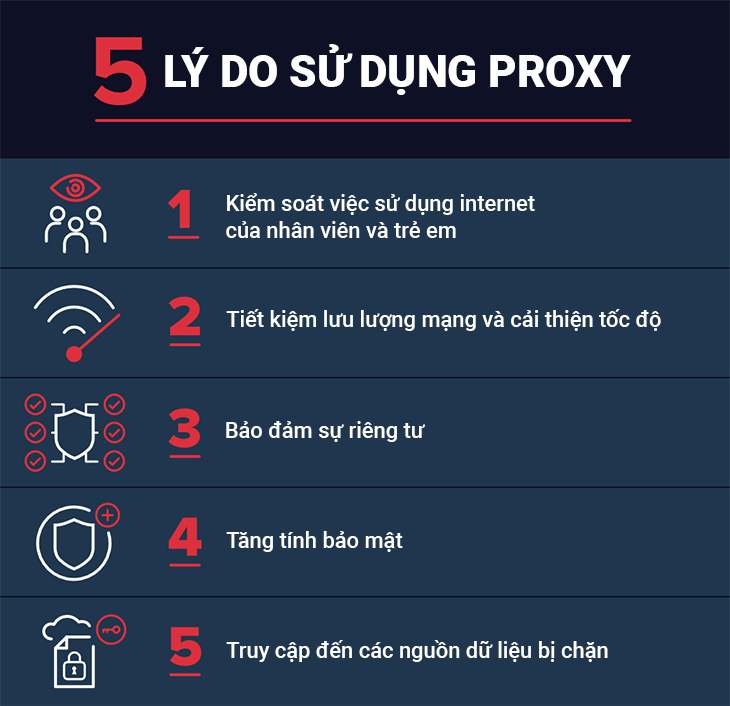
A proxy server sits between a device and an internet service: the device sends a request to the proxy, which forwards it and returns the response. Proxies can be used by organizations to route or filter traffic, or by individuals to connect through a specific network. A proxy does not automatically encrypt traffic or guarantee privacy, and a proxy operator may be able to log connection details.



What a proxy can and cannot do
A proxy may apply access rules, route traffic or cache some content, depending on its type and configuration. A website may see the proxy’s network address rather than the device’s direct address, but that does not make a user anonymous: accounts, browser data and other signals can still identify them.
HTTPS encrypts the connection between a browser and website, but a proxy can still see connection metadata such as the destination domain in many setups. A proxy that decrypts HTTPS requires device trust configuration and can inspect traffic. Do not install a certificate or change proxy settings unless you trust and understand who manages the proxy.
Configure a proxy in Windows
Use these steps only when you have a proxy address and port from a trusted administrator or service. Do not copy arbitrary free-proxy details from websites.
- Open Settings > Network & internet > Proxy.
- For a managed automatic setup, use the configuration script or automatic detection details supplied by your organization.
- For a manual proxy, turn on the manual setup option, enter the provided address and port, and save.
- When finished, return to the same page and turn off the manual proxy if you no longer need it.
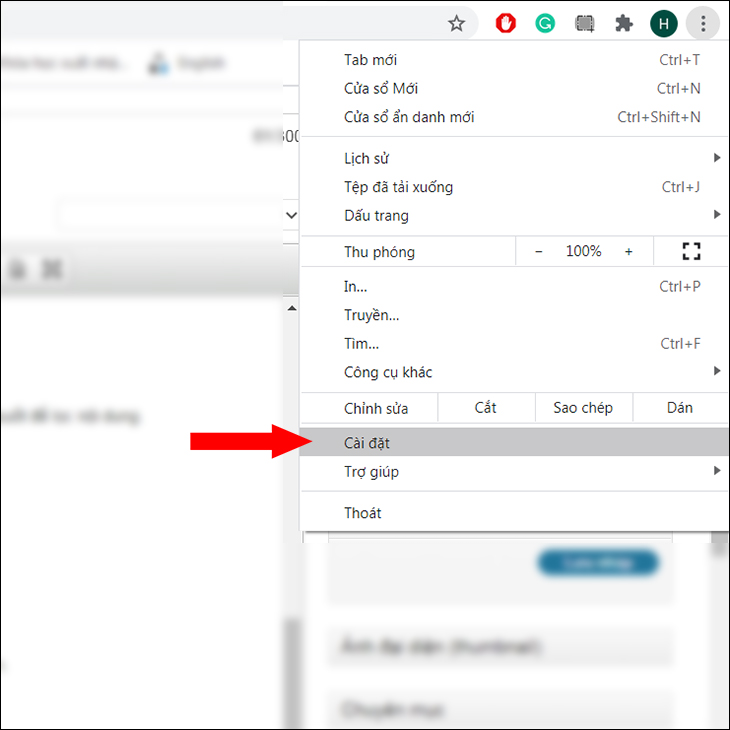
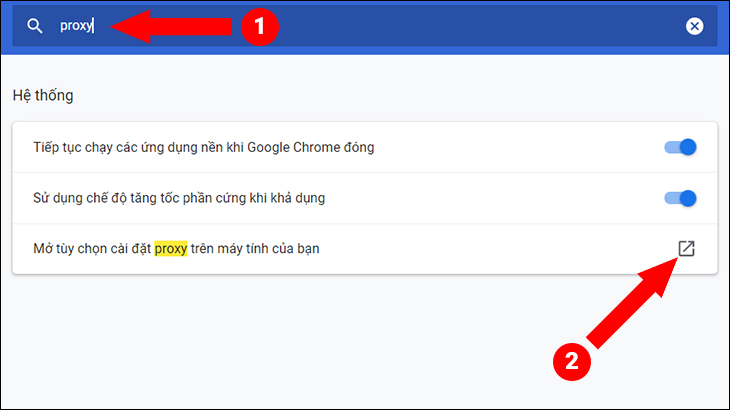
Windows updates and interface wording can change. If the menu differs, search Settings for “Proxy.” On a work or school computer, ask IT before changing these controls; a policy or VPN may manage them.
Choose a proxy carefully
- Prefer a proxy provided by your organization or a provider you have independently vetted.
- Review the provider’s logging, retention, access-control and acceptable-use policies.
- Do not send passwords, payment details or sensitive work data through an untrusted proxy.
- Use a VPN when you need an encrypted connection to a trusted VPN endpoint; a proxy and a VPN are different tools, and neither makes activity anonymous by itself.
Free proxies can be unreliable and may collect connection data. Avoid using them to handle sensitive accounts or to evade a network’s rules.






Reader Comments 0
Sign in with email or Google to join the discussion.