Table of Contents
A forward proxy receives requests from your device and sends them on to another service. An organization may use one for access policy, logging, or caching. To connect to a proxy you have permission to use, get its hostname and port or automatic configuration URL from the administrator.

What a proxy can and cannot do
A site may see the proxy’s address for traffic that passes through it. A signed-in account and other browser information can still identify you, and the proxy may see connection details. A proxy does not automatically encrypt traffic or route every app. HTTPS and the proxy configuration determine what is visible. A reverse proxy is different: it sits in front of servers and handles incoming requests.
Configure a proxy in Windows
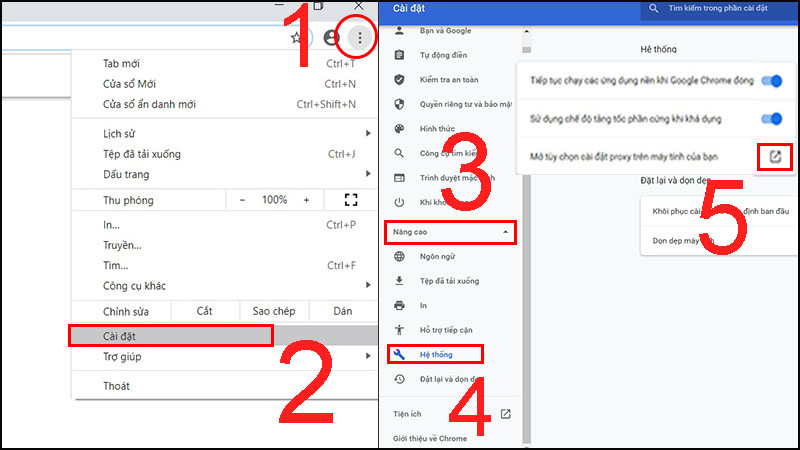
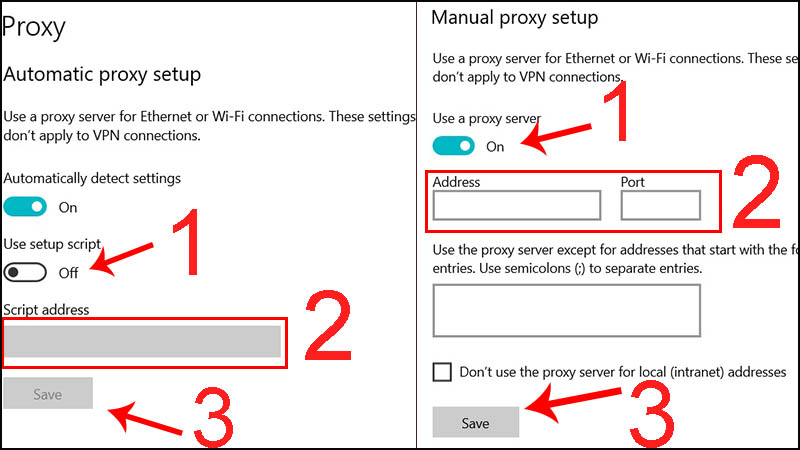
Open Settings > Network & Internet > Proxy. If your administrator provides a script URL, use Use setup script. If you have a hostname and port, use Manual proxy setup. Enter the supplied details, save them, and test a site you normally use. These are client settings for connecting to an existing proxy.
Configure a Wi-Fi proxy on iPhone or Android
On iPhone, open Settings > Wi-Fi, tap the information button for the network, then choose Configure Proxy. Choose Manual or Automatic as instructed. On Android, open the connected Wi-Fi network’s settings and look under its edit or advanced options for Proxy. The path varies by phone, and the setting normally applies to that Wi-Fi network.
If sites stop loading
Check the address, port, network, and any required sign-in with the proxy administrator. If you set the proxy yourself and need to undo it, return to the same control and turn it off. On a managed device, ask your administrator before changing required settings. For a wider connection problem, test the network path to determine where the failure starts.






Reader Comments 0
Sign in with email or Google to join the discussion.